





The Buffalo Sabres received devastating news following their 5-3 victory over the Philadelphia Flyers on Thursday night. Defenseman Conor Timmins suffered a broken left leg during the third period, an injury that will sideline him for six to eight weeks according to head coach Lindy Ruff. The non-contact incident occurred with just over five minutes remaining in regulation, casting a shadow over what was otherwise a solid team performance.
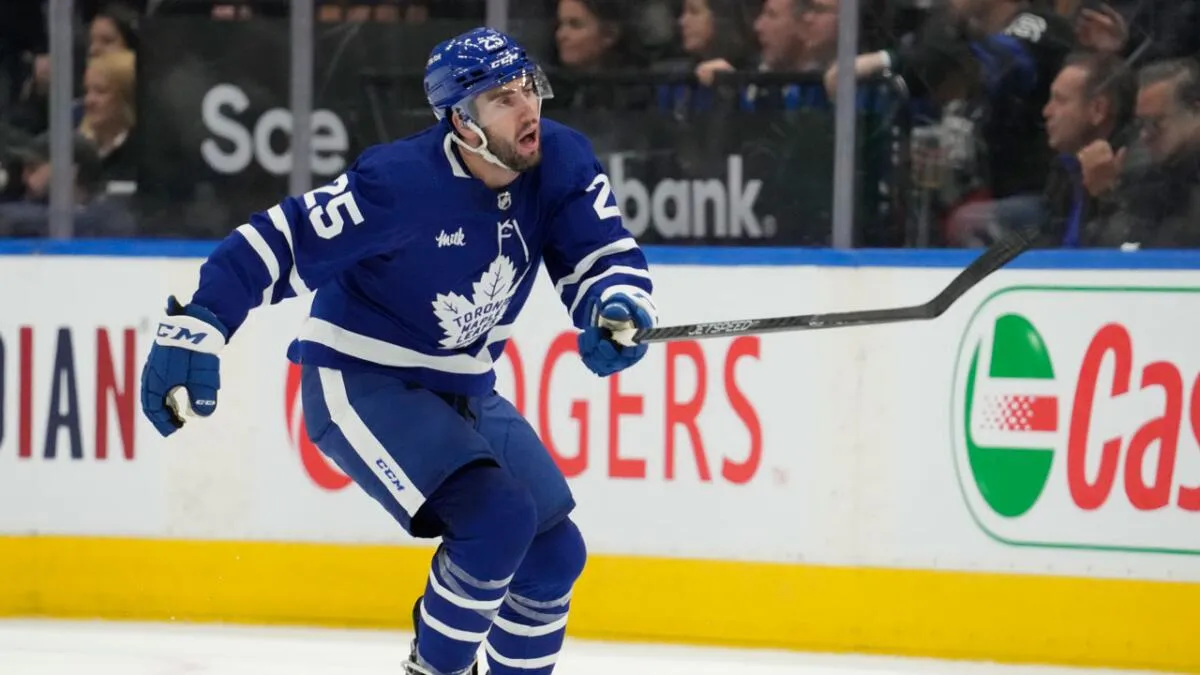
How the injury happened: A non-contact collision with the ice surface
The play itself seemed routine at first glance—several players from both teams converging on a puck along the side boards. However, as Timmins attempted to pivot and maintain his position, his skate blade caught an imperfection in the ice, creating a sudden and unnatural torque on his left leg. Unlike many hockey injuries that result from brutal body checks or accidental collisions, this was simply a case of bad timing and worse luck.
“Timmins was hurt with 5:20 left in regulation in what appeared to be a non-contact injury while several players battled for a puck along the boards,” the initial report confirmed. “A replay showed Timmins’ left skate may have caught a rut in leading to his left leg bending awkwardly.”
The neutral zone scrum is one of hockey’s most common battlegrounds, yet it’s rarely the site of serious injuries. Players routinely push, shove, and jostle for position in these areas dozens of times per game. For Timmins, this particular instance proved catastrophic. His absence will be felt on a Sabres blue line that has already dealt with its share of turnover throughout the season.
Timmins’ role in the Sabres’ defensive scheme this season
In his first campaign with Buffalo after signing a two-year, $4.4 million contract in free agency last summer, Timmins had carved out a steady if unspectacular role. Through 32 games, he contributed six assists and provided reliable depth minutes on the Sabres’ third pairing. More importantly, his 69 blocked shots and 23 hits demonstrated a willingness to sacrifice his body for the team—a trait that makes this injury particularly cruel.
The St. Catharines, Ontario native brought seven seasons of NHL experience to Buffalo after previous stops in Toronto and Pittsburgh. His journey to the Sabres came via trade at the 2025 NHL Entry Draft, when Buffalo acquired his rights hoping he could solidify their defensive depth. While never a flashy offensive contributor, Timmins’ steady defensive play and ability to move the puck efficiently had earned him the trust of coach Lindy Ruff.
His plus-minus rating of -11 wasn’t ideal, but it reflected the challenges of playing on a team still finding its defensive identity rather than individual shortcomings. Timmins’ average ice time of 19:20 per game showed he was a regular part of the rotation, often tasked with penalty kill duties and defensive zone starts.
Filling the void: Buffalo’s defensive depth tested again
The immediate question facing the Sabres organization is how to replace a player who had become a reliable fixture in their lineup. With Timmins expected to miss significant time—potentially through the NHL’s Olympic break in February—the coaching staff must now evaluate their internal options and possibly explore external solutions.
Jacob Bryson appears to be the first candidate to step into the lineup, according to multiple reports. The 26-year-old left-shot defenseman has been a healthy scratch for much of the season but is familiar with Ruff’s system and provides a similar defensive-first mindset. However, Bryson’s lack of playing time this season means there will be an adjustment period as he gets up to game speed.
Beyond Bryson, the Sabres have Michael Kesselring recovering from a lower-body injury who could factor into the equation once healthy. The team may also consider rotating different players through the third pairing position, testing various combinations to find chemistry during Timmins’ absence. This approach would allow Buffalo to evaluate younger talent while managing veteran minutes.
Recovery timeline and long-term implications
The six-to-eight-week timeline places Timmins’ potential return squarely around the NHL’s Olympic break, which could be either a blessing or a curse. On one hand, the extended break in the schedule means fewer games missed overall. On the other, it could disrupt his rehabilitation schedule and make it difficult to maintain conditioning.
For a player in his first season with a new organization, missing nearly two months represents a significant setback in establishing chemistry and securing his role. While Timmins had already proven himself as a capable NHL defender, every game missed is an opportunity for another player to claim those minutes permanently. The competitive nature of professional hockey means jobs are never truly safe, especially for depth players.
The injury also has salary cap implications, though these are manageable for Buffalo. Placing Timmins on injured reserve would open a roster spot and provide some cap flexibility should the Sabres decide to make a trade or claim a player off waivers. Given the team’s position in the standings and their playoff aspirations, general manager might view this as an opportunity to assess the market for defensive reinforcements.
What this means for Buffalo’s playoff push
As the Sabres navigate through the heart of their schedule, losing a dependable defenseman for nearly two months could significantly impact their playoff positioning. The Eastern Conference remains tightly packed, and every point matters in the race for postseason berths. Timmins’ absence forces other defensemen to absorb additional minutes and responsibilities, potentially leading to fatigue or increased injury risk for the remaining core.
According to reports from Newsday, the team is also monitoring center Tyler Kozak, who left the same game with an upper-body injury. Multiple injuries in a single game can quickly strain a roster’s depth, testing the organization’s ability to adapt and persevere through adversity.
The silver lining in this situation is that the injury occurred early enough in the season that a return before the stretch run remains possible. If Timmins heals on the quicker end of the timeline—around six weeks—he could be back in action by early February, giving him time to regain form before the playoff push intensifies in March and April.
Heading into the holiday season and new year, the Sabres must balance competing interests: staying competitive in the present while managing their roster responsibly for the future. The coming weeks will reveal whether Buffalo’s defensive depth can withstand the loss of Conor Timmins or if this injury accelerates plans for a midseason acquisition.
Frequently Asked Questions

Par Mike Jonderson
Mike Jonderson is a passionate hockey analyst and expert in advanced NHL statistics. A former college player and mathematics graduate, he combines his understanding of the game with technical expertise to develop innovative predictive models and contribute to the evolution of modern hockey analytics.