









The NHL salary cap reaches 104 million for 2026–27, only 11 million above the Carolina Hurricanes’ 93 million commitment during their Stanley Cup Final win.
Trade Market Accelerates Ahead of Buffalo
Carolina finished the title run with just over 93 million in cap commitments while retaining Sebastian Aho, Andrei Svechnikov and Jaccob Slavin. Vegas operated near 92 million and lacked comparable room to add deadline depth without future sacrifices. The 11 million gap between those totals now dictates how quickly general managers clear mid-tier contracts.
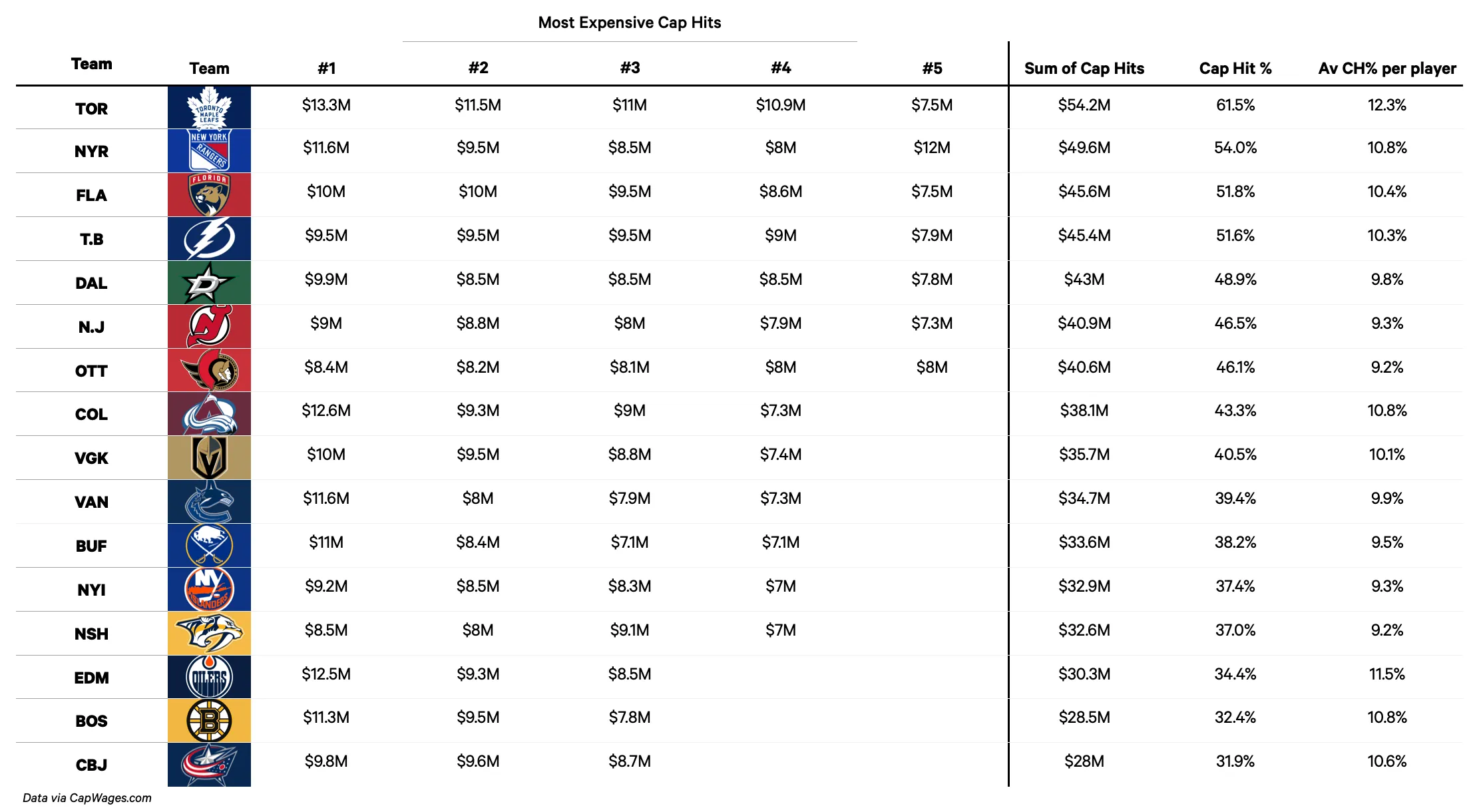
Vinci Spin documented that a cluster of playoff clubs already allocate more than 40 percent of payroll to three veteran stars. That concentration leaves little margin once performance bonuses roll forward as overages. Contenders therefore move veteran depth defensemen and bottom-six forwards before the draft to avoid carrying penalties into the new ceiling.
Rebuilders San Jose, Anaheim and Chicago hold surplus space and accept those contracts in exchange for picks or prospects. Cap-strapped clubs Edmonton, Colorado and Florida treat every transaction as part of a multi-year ledger rather than an isolated swap. Deferral clauses now appear routinely in high-profile deals, converting retention into standard practice.
Draft Boards Tilt Toward Immediate Contributors
Entry-level contracts allow a first-round selection to slide into a third-pair or middle-six role without breaching the 104 million limit. A prospect who posts 35–40 NHL games in 2026–27 supplies surplus value that a pure developmental pick cannot match. Front offices therefore weigh projected cap impact alongside traditional scouting grades.
Bridge deals for emerging players run three or four years to keep costs predictable through the first half of the new cap framework. Star extensions continue at eight years and north of 10 million annually, locking long-term commitments that will stretch across both the 104 million and 113.5 million seasons. The contrast between those structures shapes which prospects receive the highest grades on draft weekend.
Systems already adjust for the coming roster turnover. Coaches promote AHL call-ups to replace traded depth pieces, then redesign special teams around the resulting personnel. A single injury or bonus trigger can accelerate those changes, turning one prospect’s timeline into a decisive roster variable.
Contract Patterns Lock In New Priorities
Veterans accept shorter or flatter structures to avoid late-term spikes that could create future overages. Clubs trim lengths where possible and favor predictable annual hits aligned with the rising ceiling. Buyouts remain available yet are avoided in favor of proactive planning.
Young players recognize that a strong sophomore season can trigger richer second contracts but also place them in trade packages designed to create space. Performance remains central, yet contract status and cap timing now carry equal weight in front-office evaluations.
The June 26–27 draft at KeyBank Center therefore tests whether teams can balance long-term upside with near-term financial agility. Every selection carries an implicit calculation of when the prospect can contribute against the 104 million and 113.5 million ceilings.
Frequently Asked Questions
Sources

Par Mike Jonderson
Mike Jonderson is a passionate hockey analyst and expert in advanced NHL statistics. A former college player and mathematics graduate, he combines his understanding of the game with technical expertise to develop innovative predictive models and contribute to the evolution of modern hockey analytics.