





Dylan Larkin has requested a trade after 11 seasons with the Detroit Red Wings, during which the team has missed the playoffs since 2016.
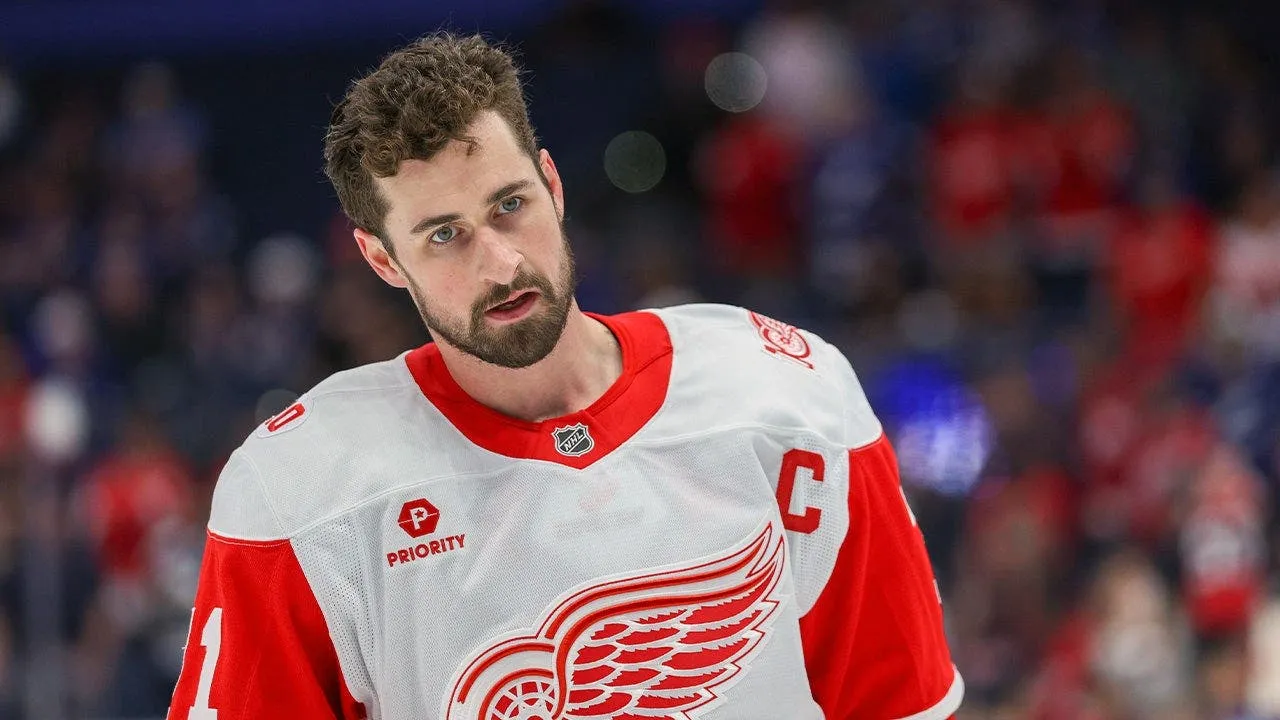
Lineup Disruption and Immediate Needs
The Red Wings entered the offseason already requiring a top-six forward while also needing to rework their bottom six.
Trading their No. 1 center directly alters the lineup and disrupts organizational plans to reach the playoffs next season.
Max Bultman reported in The Athletic that Larkin has maintained a rocky relationship with management over the past couple of seasons.
This combination of roster gaps and internal friction accelerates the need for multiple additions rather than incremental improvements.
Free agency offers limited relief because the market lacks ready-made solutions that address both the top-six hole and the bottom-six overhaul simultaneously.
Acquisition Challenges and Prospect Limitations
Marco Kasper and Nate Danielson remain unproven at the top-center level, leaving the Wings without an internal option ready to step into Larkin’s role.
Pursuing a veteran like Robert Thomas would recreate the same dependency on one elite pivot while still leaving bottom-six and depth issues unresolved.
The team’s stronger prospect pool opens a path toward acquiring a younger center with top-line potential instead.
Larkin’s full no-trade protection grants him significant input on destination, which reduces the return Detroit can expect in any deal.
These constraints steer the organization toward a retool rather than a quick-fix rebuild or aggressive contention push.
Long-Term Timeline Implications
The Wings remain competitive enough to avoid a full bottoming-out strategy despite the loss of their franchise center.
Any external center acquisition, whether through trade or future free agency, must pair with additional forward additions to restore top-six balance.
This layered approach extends the timeline for contention because multiple roster pieces require integration before the team can challenge for postseason qualification.
The 2026 offseason therefore marks the start of a multi-year adjustment period rather than an immediate turnaround.
Frequently Asked Questions
Sources

Par Mike Jonderson
Mike Jonderson is a passionate hockey analyst and expert in advanced NHL statistics. A former college player and mathematics graduate, he combines his understanding of the game with technical expertise to develop innovative predictive models and contribute to the evolution of modern hockey analytics.