The Detroit Red Wings have now endured seven full seasons under general manager Steve Yzerman without reaching the playoffs. Fans who grew accustomed to consistent excellence during the franchise’s dominant early-2000s era find little solace in near-misses. The organization sits stuck in a frustrating middle ground, neither competitive enough for postseason hockey nor poor enough for elite draft capital.
This stagnation raises serious questions about the viability of the so-called Yzerplan. After returning from Tampa Bay in 2019 amid much fanfare, Yzerman inherited a rebuild that has produced only incremental gains at best. Red Wings supporters deserve better than another round of the same disappointing narrative.
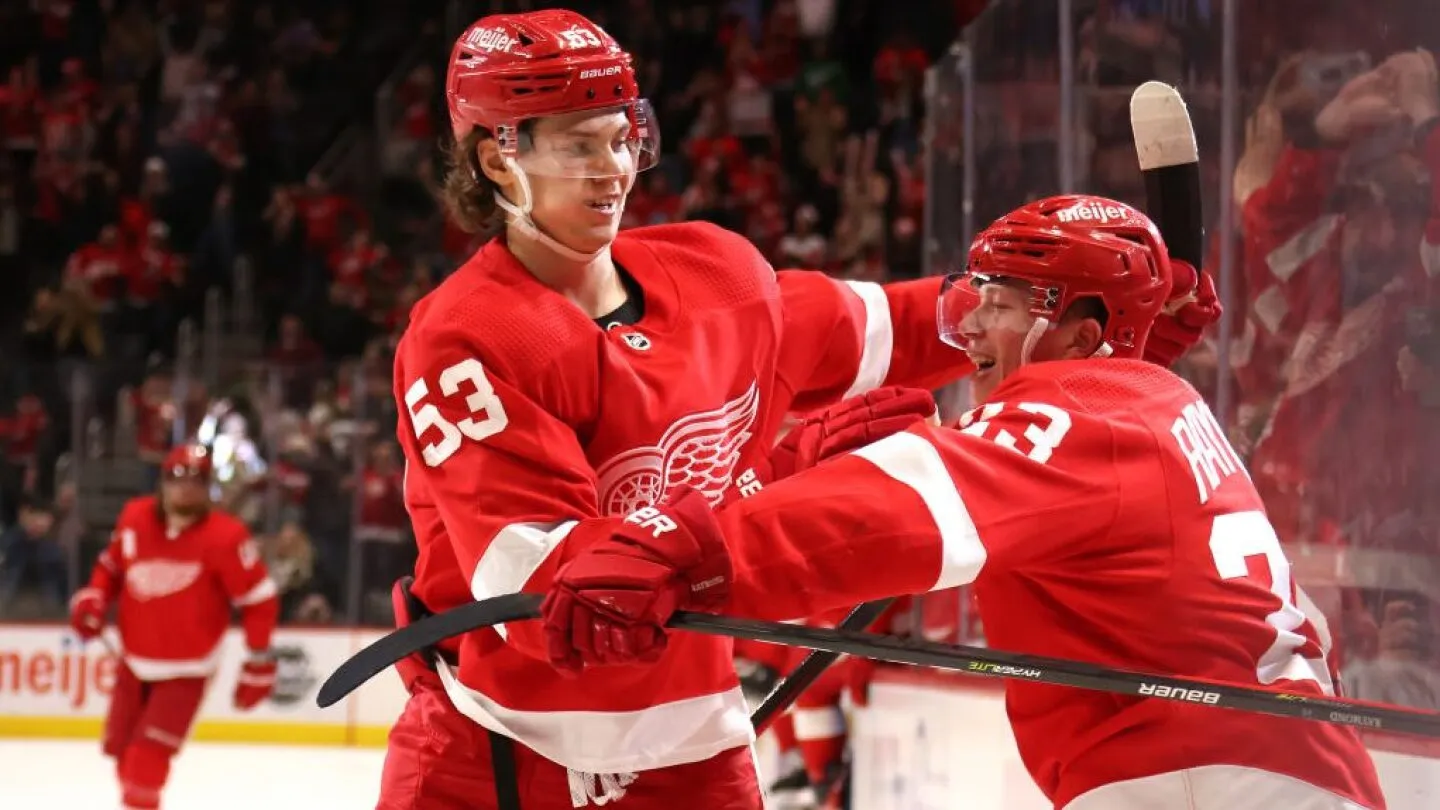
The long shadow of past success
Nicklas Lidstrom never missed the playoffs during his two decades with Detroit, retiring in 2012. Current captain Dylan Larkin has experienced the postseason just once in his career, and that came during his rookie season. These contrasts highlight how far the club has drifted from its championship pedigree.
Yzerman himself played a key role in the front office during the 2008 Stanley Cup victory. His move to Tampa produced two titles under Julien BriseBois, yet expectations soared when he returned home to lead the rebuild. Seven years later, those hopes remain largely unfulfilled.
Drafting decisions and the mushy middle
Detroit’s highest draft selection under Yzerman came at No. 4 with Lucas Raymond in 2020. Earlier, the club selected Filip Zadina one spot ahead of Quinn Hughes in 2018, a choice that has drawn ongoing scrutiny. More recent picks like Moritz Seider and Simon Edvinsson have shown promise, though none match Hughes-level impact.
The result is a roster trapped between contention and true contention. Talent exists in players such as Alex DeBrincat and Patrick Kane, yet the team has repeatedly fallen short. A strong start this season placed Detroit atop the Atlantic Division into late January, only for a dismal March and April to push them back into bubble territory once again.
- Consistent spring collapses have defined recent campaigns.
- Inaction at the trade deadline has left the roster short of necessary upgrades.
- Young prospects remain largely untraded for immediate help.
Deadline moves and player sentiment
This past season, Yzerman acquired 34-year-old defenseman Justin Faulk from St. Louis and brought back 37-year-old winger David Perron. Neither deal qualified as a blockbuster. Faulk struggled on pairings with Ben Chiarot, while Perron managed just two points in 14 games.
Larkin voiced frustration last season over the lack of deadline activity, noting how demoralized the group felt. Similar patterns repeated this year, with no game-changing additions arriving despite available talent like Vincent Trocheck on the market. Inertia has become the organization’s greatest obstacle.
Looking ahead to the 2026 offseason
The loss of Aleksander Barkov in Florida created a genuine opening in the Atlantic Division. Detroit appeared positioned to capitalize, yet Buffalo stepped forward instead while Boston returned to the postseason. Another mediocre campaign now looms without meaningful change.
Red Wings fans have grown weary of repeated mediocrity. Yzerman’s status as a franchise icon complicates any decision, but continued stagnation cannot persist indefinitely. A fresh approach must begin this summer.
It’s time for the Detroit Red Wings to move young assets for established NHLers to accelerate progress. As explored in our analysis of Yzerman’s tenure, bold decisions will define the coming months.
The path forward requires decisive action rather than incremental tweaks. Detroit possesses the prospect depth to acquire difference-makers, and the window for patience has closed.
Frequently Asked Questions

Par Mike Jonderson
Mike Jonderson is a passionate hockey analyst and expert in advanced NHL statistics. A former college player and mathematics graduate, he combines his understanding of the game with technical expertise to develop innovative predictive models and contribute to the evolution of modern hockey analytics.