






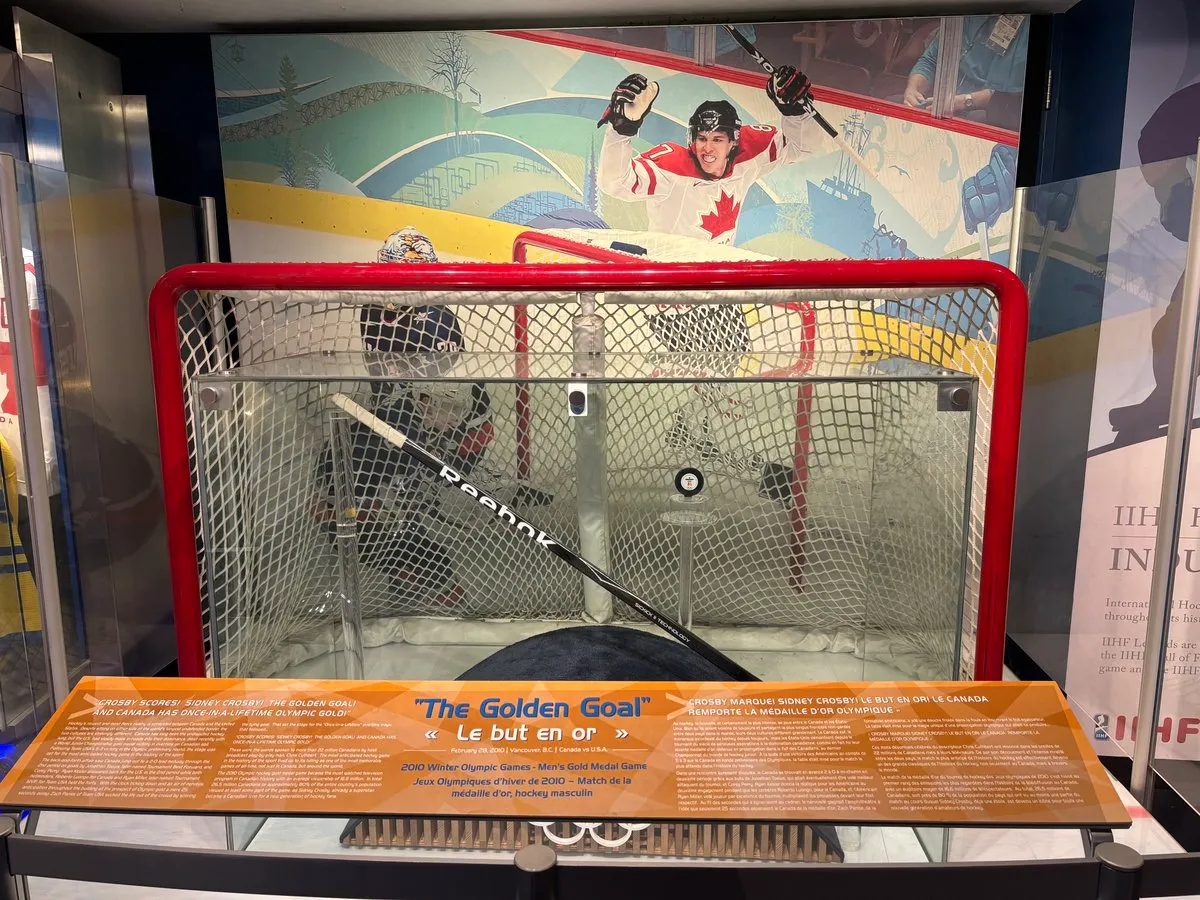
The golden goal that ended a 46-year drought
On February 22, 2026, in the gold medal final at the Milan-Cortina Olympics, Team USA faced Canada in a tense battle. The game was tied 1-1 heading into overtime, evoking memories of high-stakes North American rivalries. Jack Hughes, the Devils’ dynamic center, took a pass and fired a shot past Jordan Binnington at 1:41 of the extra frame, securing a 2-1 victory. NHL recap
This triumph marked the first U.S. men’s Olympic hockey gold since the Miracle on Ice in 1980, a drought spanning 46 years. Hughes’ goal, quickly dubbed the “golden goal,” was captured from every angle and replayed endlessly, cementing its place in lore. The women’s team also celebrated gold, with Megan Keller’s puck joining Hughes’ in the spotlight.
The victory parade back home was electric, as chronicled in our post on the Devils honoring Jack Hughes for his golden Olympic goal. Fans and teammates mobbed the 24-year-old, who had shouldered immense pressure as a key roster member.
Behind the scenes, officials sprang into action immediately after the goal. An on-ice official retrieved the puck, which was then taped and authenticated by off-ice staff before heading to the IIHF. This process ensured its journey to Toronto, bypassing the player entirely.
The Milan-Cortina tournament itself was a showcase of NHL stars, with rosters packed with top talent from both sides. Canada’s loss stung, especially without Sidney Crosby at full strength, but Hughes’ finish stole the show. For more on the dramatic final, check the NHL’s official recap.
Jack Hughes’ candid pushback
Hughes didn’t mince words when speaking to ESPN about the puck’s fate. “I’m trying to get it. Like, that’s bulls--- that the Hockey Hall of Fame has it, in my opinion. Why would they have that puck?” he said. He echoed similar sentiments for Keller’s puck, believing players deserve these keepsakes. ESPN
The star center hasn’t filed a formal request yet but plans to advocate for its return—not for himself, but for his father, Jim Hughes. “I wouldn’t even want it for myself. I’d want it for my dad. I know he’d just love, love having it,” Hughes explained. Jim serves as an unofficial archivist for sons Jack, Quinn (Vancouver Canucks) and Luke (Devils).
This family dynamic adds a heartfelt layer to the story, as detailed in NHL Insight’s coverage of Hughes seeking his puck. The brothers’ careers have been closely followed, with Jim preserving milestones meticulously.
Hughes’ post-Olympic return to the Devils has been strong, including hat tricks and win streaks, keeping his momentum alive. Yet this off-ice issue lingers, drawing fan support online.
His comments have sparked debate, with some backing the player’s claim and others defending the Hall’s role in history.
Olympic puck protocols versus NHL norms
In NHL games, milestone pucks—like Gordie Howe’s 800th goal or Wayne Gretzky’s records—often stay with players. Teams and the Hall request items politely, but donation isn’t mandatory. Players keep gear as personal trophies.
Olympic tournaments operate differently. Since 1998, the IIHF collects, authenticates and preserves artifacts from Worlds and Olympics. Hall staff assisted in Milan, ensuring chain of custody.
Philip Pritchard, Hall vice president and curator, told ESPN: “Unfortunately, in the easiest words, it was never Jack’s puck to own.” The IIHF formally donates via paperwork, making it legally binding as a Canadian charity asset. ESPN
- On-ice official collects the puck post-goal.
- Off-ice staff (scorekeeper/timekeeper) wraps it in tape for ID.
- Puck goes to IIHF for verification.
- IIHF donates to Hall for permanent collection.
This ensures global access through exhibits and outreach. Legal insurance and conservation follow donation.
Precedents and the Hall’s preservation mission
The Hall has fielded similar requests before, from players or families tied to historic moments. Pritchard emphasized neutrality: “We try to take the emotion out of it. We’re here to preserve a game that Jack’s lucky enough to play.”
Artifacts like the Miracle puck or Gretzky’s records reside there, shared with fans worldwide. The “Olympics ‘26” display now features Hughes’ and Keller’s pucks, plus items like Hilary Knight’s jersey.
Critics argue this prioritizes institution over individual, but supporters see it safeguarding heritage. Hughes’ case tests these boundaries amid NHL stars’ Olympic returns.
No public resolution yet, but it underscores evolving dynamics in international hockey.
As debates continue, the puck remains in Toronto, symbolizing a triumph for the ages. Whether Hughes prevails or not, his goal ensures lasting legacy—for Team USA and the sport. This saga reminds us: hockey’s greatest treasures often spark the deepest passions, balancing personal joy with collective memory. SI
Frequently Asked Questions

Par Mike Jonderson
Mike Jonderson is a passionate hockey analyst and expert in advanced NHL statistics. A former college player and mathematics graduate, he combines his understanding of the game with technical expertise to develop innovative predictive models and contribute to the evolution of modern hockey analytics.