The Buffalo Sabres have transformed from early-season strugglers to the Atlantic Division leaders in the 2025-26 NHL season. After firing general manager Kevyn Adams on December 15 following a dismal 11-14-4 start, the team installed Jarmo Kekalainen and embarked on a league-best 31-7-4 run since then.[1][2] With a current record of 45-21-8 and 98 points through 74 games, Buffalo sits atop the division and is primed to end a 14-year playoff drought.[3]
Captain Rasmus Dahlin credits internal meetings and a renewed commitment to hard work for the shift. “We realized that it’s us in here that’s been the problem,” Dahlin said. This surge has fans and analysts buzzing about their Stanley Cup potential, drawing comparisons to historic turnarounds.
What sparked Buffalo’s dramatic turnaround?
The Sabres’ season started poorly, sitting 30th in points percentage at .448 on December 8. The front-office change to Kekalainen signaled urgency, but it was the players who executed the revival under head coach Lindy Ruff.
Team leaders like Dahlin emphasized defense and details. “We’re playing solid defense… backchecking, blocking shots,” he noted. Veteran Jason Zucker highlighted consistency: “It’s guys stepping up at different times, goaltenders playing well, and learning how to close out close games.”
Ruff adapted to a more experienced depth chart. “The depth we have… is more veteran guys,” he said, contrasting past young rosters. This maturity helped messaging land, fostering execution.
Goaltender Ukko-Pekka Luukkonen pointed to a resilient mindset. Even in losses, positives emerge, building confidence in their systems. The group’s unity has propelled them to the fewest goals against per game at 2.60 since mid-December.
As projections for their first-round playoff opponent take shape, Buffalo’s cohesion stands out.
Can the Sabres’ elite goal-scoring hold up?
Buffalo ranks second in goals per game at 3.76 since December 9, despite middling shots on goal. They boast 13 players with double-digit goals and a 13.6% team shooting percentage, second in the NHL.
Analyst Micah Blake McCurdy notes their chance conversion: “They’re converting their chances into goals well.” High-danger efficiency shines, leading slot shooting percentage.
Vin Masi highlights slot involvement, where Buffalo excels in finishing. This, paired with goaltending, creates a 50-goal differential edge over expectations.
Skeptics like McCurdy warn of streakiness: “All finishing talent is inherently streaky.” Mike Kelly flags steady expected goals, questioning process sustainability.
Still, their offense has silenced doubters lately. Tage Thompson’s playmaking, like assists to Zucker, exemplifies the balance.
Will ‘river hockey’ succeed in the playoffs?
Buffalo’s freewheeling style—dubbed “river hockey” by opponents—features speed and rush goals, leading the NHL in rush scoring. Luukkonen embraces it: “We have a young, skillful, good skating team, so we have to trust that.”
Critics question its playoff viability amid tighter checking. Rachel Kryshak notes fewer chances in grind time. Elliotte Friedman captured league sentiment: “It’s river hockey, although they are very good at it.”
Jack Fraser sees average underlying metrics: “Dead average in expected goal differential.” Yet historical “fun” teams like the Capitals won Cups.
Buffalo leads in rush goal percentage for non-empty-netters. Masi ponders postseason translation.
Their entertaining play has boosted bandwagon appeal, topping ESPN’s rankings.[4]
How dominant has the goaltending been?
Sabres netminders Alex Lyon and Ukko-Pekka Luukkonen have elevated from last season’s .879 save percentage to third at .901. In a 20-game stretch, they saved nearly 20 goals above expected.
Lyon’s 17-2-1 surge post-December includes a .920 save percentage. Kevin Woodley praises his anticipation: “Not far behind Connor Hellebuyck.”
Luukkonen, rebounding from a poor 2024-25, posted .921 in 18 starts. At 6-foot-5, his movement impresses.
Clear Sight ranks both top-10 in goals saved since December 31. Thompson credits them: “They make huge saves when we need them.”
Woodley cautions playoff chaos could test structure. Still, their environment aids outperformance.
A third option, rookie Colten Ellis, benefits from the tandem.
Sticking with goalie rotation into playoffs?
Ruff’s three-goalie system works, with Lyon and Luukkonen thriving. “It’s been working out well,” Luukkonen said.
Lyon’s intensity inspires: “He brings it every night.” Injuries helped Luukkonen find rhythm post-Olympics break.
Neither prefers sharing, but wins matter. “Every goalie wants to play as much as they can,” Luukkonen admitted.
Playoff norms favor one starter, turning late games into auditions. Lyon remains philosophical: “I hope he starts 16 playoff games… and we win the Cup.”
Ellis learns from vets, strengthening depth. Rotation has instilled bench confidence.
As standings solidify (NHL.com), decisions loom.[5]
Are playoff novices ready for the spotlight?
Fewer than a dozen Sabres have playoff experience; only three Cup winners: Bowen Byram, Tanner Pearson, Luke Schenn. Pearson leads with 59 games.
Youth like Josh Doan (23), Owen Power (22), Jack Quinn (23), Zach Benson (20) contribute crucially, per Kryshak. Ruff promotes Quinn to top power play.
International success, like Thompson’s gold, builds pressure handling. Veterans guide the core.
Ruff values flexibility: “Move pieces around… get quality chances.” Depth avoids overreliance.
Trade rumors swirl for defensive bolstering, aiding novices.
Echoes of the 2019 St. Louis Blues turnaround?
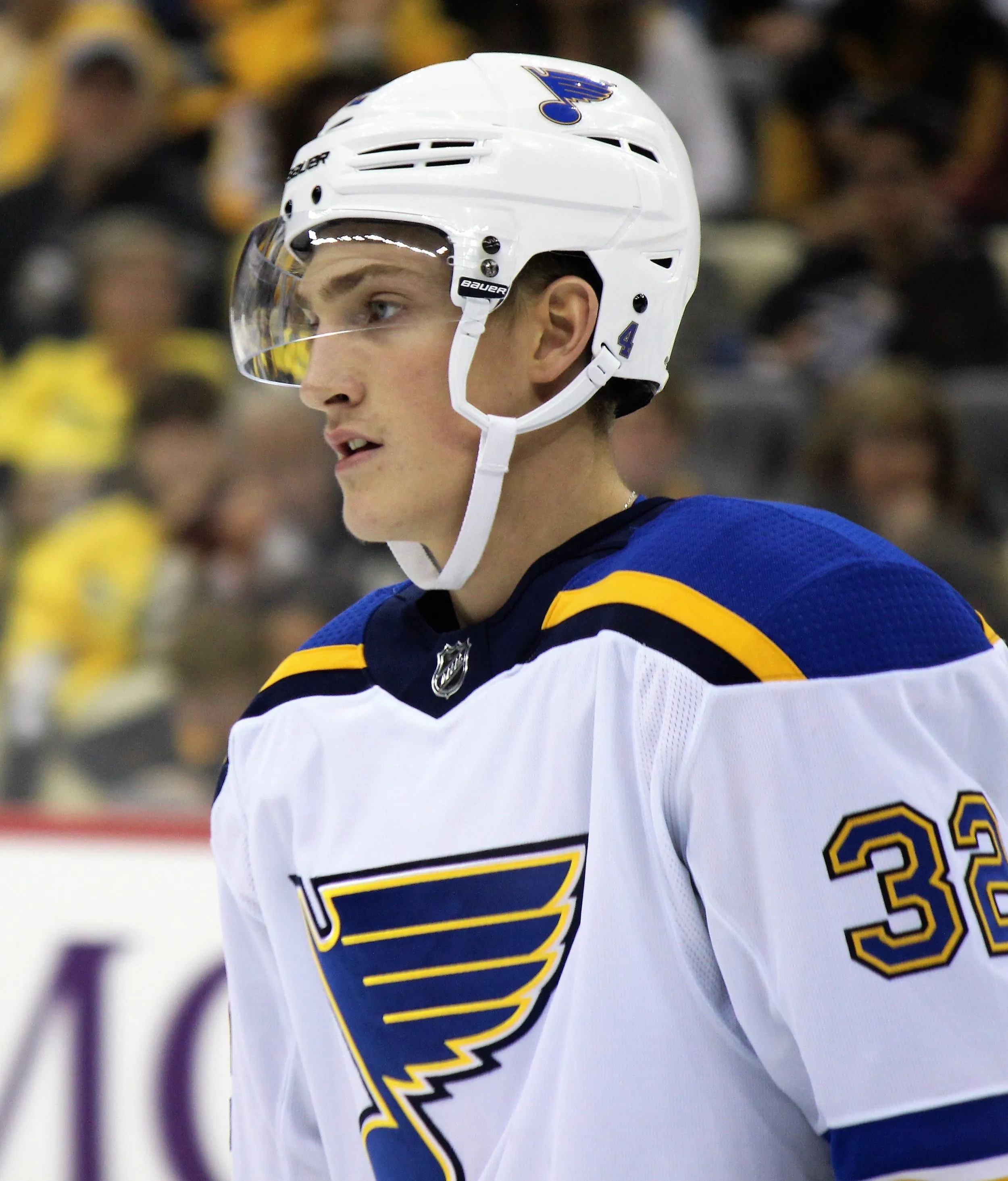
Like the Blues’ last-to-champ shift (.459 to .722 points), Buffalo flipped via leadership change and buy-in. Robert Thomas recalled Blues’ “unstoppable” confidence.
Intangibles shine: camaraderie, per Kryshak. Kelly praises role clarity, no weak links.
Norris as third-line center exemplifies balance. Forward minutes range 10-20, maximizing contributions.
Players echo relentlessness. Dahlin’s “drink beers” for chemistry went viral.
Both stories feature timely sparks igniting talent.
Path to a Stanley Cup?
Alex Tuch set the tone: “We’re going for the Cup.” Lyon’s pride in the crest resonates with fans.
Analysts mix optimism and caution. Kryshak sees “magic” in goaltending; McCurdy notes sustainable results.
Fraser gives 5% odds, seventh-best, favoring home ice vs. softer foes like Canadiens.[6]
Buffalo’s story captivates after drought. Their blend of youth, vets, scoring, and saves positions them legitimately.
If structure holds and finishing persists, the Sabres could stun. Playoffs will test if this wagon reaches the penthouse.
Frequently Asked Questions

Par Mike Jonderson
Mike Jonderson is a passionate hockey analyst and expert in advanced NHL statistics. A former college player and mathematics graduate, he combines his understanding of the game with technical expertise to develop innovative predictive models and contribute to the evolution of modern hockey analytics.