


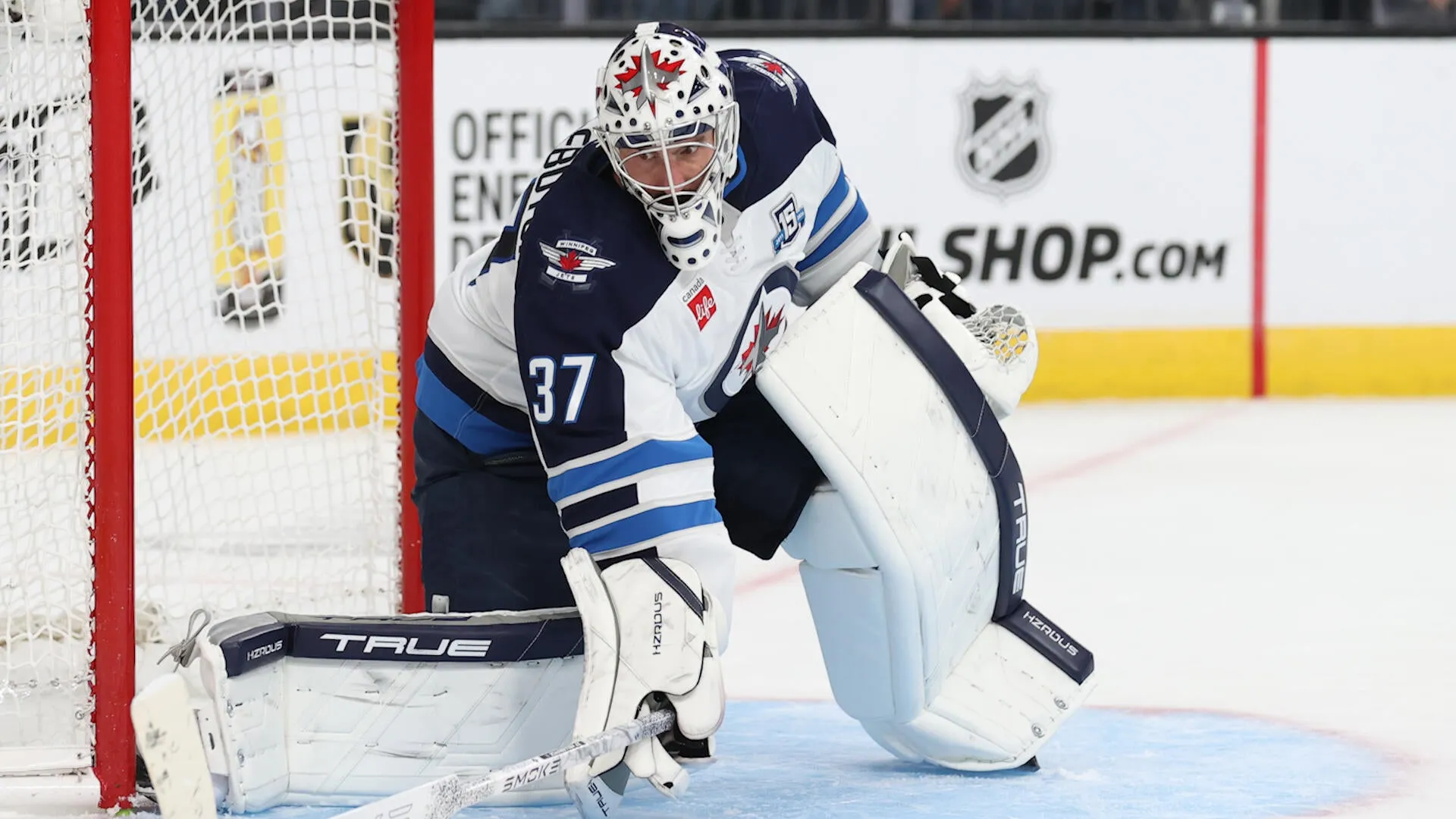
Buffalo Sabres nearly acquired Connor Hellebuyck on draft day but withdrew after deeming the Jets’ demanded package too steep.
Draft-day negotiations set stage for summer decisions
Winnipeg and Buffalo engaged in extensive talks through Jarmo Kekalainen and Kevin Cheveldayoff in the hours before the 2026 NHL draft on June 26. The Sabres viewed Hellebuyck as a future Hall of Famer and agreed in principle to the move, yet the final asset package exceeded Buffalo’s comfort level. This near-miss left the Jets without a completed trade despite months of effort to find a suitor. Elliotte Friedman reported on the draft floor that at one point the deal appeared imminent before collapsing over price.
Management now shifts focus from trade calls to free-agent signings and potential July 1 acquisitions. Ownership invested significant time attempting to appease Hellebuyck and must demonstrate tangible roster progress to alter his perspective. Cheveldayoff continues conversations with available defensemen and forwards to identify upgrades that could retain the netminder. A stronger supporting cast would allow the Jets to revisit Hellebuyck directly with an improved outlook for the 2026-27 season.
Roster construction becomes key retention lever
Adding two veteran defensemen and one established forward would directly address the concerns that prompted trade discussions. Current roster gaps in secondary scoring and blue-line depth have limited Winnipeg’s postseason ceiling in recent years. By contrasting the failed Buffalo package with new additions, the Jets create a revised pitch that highlights immediate competitiveness. Ownership views these moves as the most viable path to keeping a cornerstone player without accepting lesser returns in a trade.
Free-agent targets align with positions that historically stabilize goaltending performance over 82 games. Cheveldayoff’s ongoing dialogues indicate multiple avenues remain open despite the draft passing without movement. If the upgrades materialize before training camp, Hellebuyck receives concrete evidence that the organization can compete at a higher level. This approach avoids the risk of a forced deal that might yield only future assets rather than present impact.
Offseason timeline dictates next steps
The early phase of the 2026 offseason provides a narrow window before training camp to finalize additions and circle back with Hellebuyck. Draft-day momentum from the near-agreement with Buffalo will fade unless replaced by visible roster activity within three weeks. July 1 free agency opens the primary market for the targeted positions, allowing Winnipeg to act decisively. Success here converts the failed trade into a retention victory by proving the current core can be elevated without external upheaval.
Failure to land meaningful upgrades would reopen trade discussions with other clubs seeking a proven starter. The contrast between the high asking price at the draft and the cost of roster improvements favors the latter path for long-term stability. Cheveldayoff’s dual track of trade conversations and acquisition planning positions the Jets to pivot quickly based on market response.
Frequently Asked Questions
Sources

Par Mike Jonderson
Mike Jonderson is a passionate hockey analyst and expert in advanced NHL statistics. A former college player and mathematics graduate, he combines his understanding of the game with technical expertise to develop innovative predictive models and contribute to the evolution of modern hockey analytics.