








The Anaheim Ducks started the 2025-26 NHL season like a team on fire, capturing headlines with an 11-3-1 record through their first 15 games. Leading the league in scoring at 4.13 goals per game, they were powered by 21-year-old forward Leo Carlsson, who sat second in league scoring with 10 goals and 25 points. It felt like a fairy tale for the Disney-owned franchise, but reality hit hard as regression set in.
By mid-January 2026, the Ducks had plummeted, holding the league’s worst record since December 16 at 1-9-2. Their scoring dropped to 25th in the NHL at 2.67 goals per game, and Carlsson managed just two goals and six points in his last 15 outings, including a 12-game goal drought. His recent goal in a 5-3 loss to Buffalo offered a glimmer, but the team’s overall struggles underscore how vital he has become.
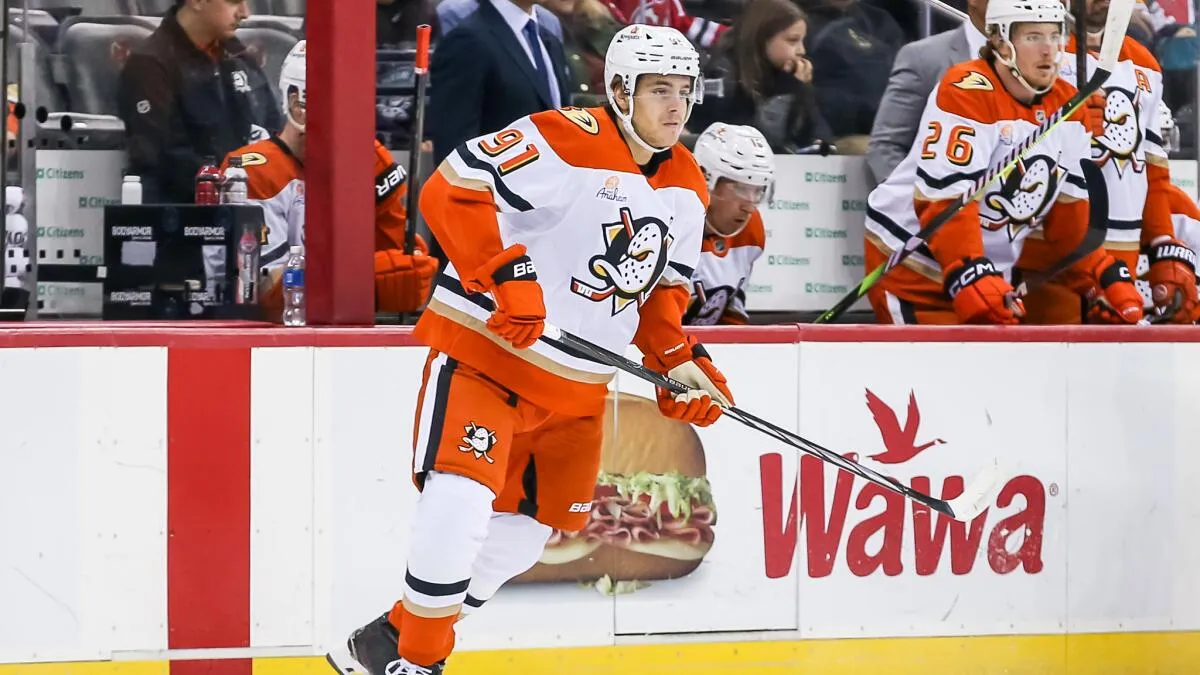
Early hot streak sets high expectations
Anaheim’s blistering start was no fluke, driven by Carlsson’s emergence as a top-six center. Drafted second overall in 2023, the 21-year-old Swede tallied 38 goals and 89 points over two-plus seasons prior, but this year he elevated his game immediately. His deceptive style—quiet off the ice but chatty with teammates—translated to infuriating play on it, surprising opponents with skill and speed at 6-foot-3.
Teammate Mason McTavish praised Carlsson’s personality shift once you get to know him: “You think he’s on the quieter side—at first. But then you get to know him a bit and he’s really chatty. He’s awesome.” This chemistry fueled early success, with Carlsson thriving on power plays and even penalty kills. For more on his breakout phase, check out Leo Carlsson breakout leads Anaheim Ducks to 2025 playoff push.
The Ducks benefited from eight overtime or shootout wins by early December, luck that aligned perfectly with Carlsson’s hot streak. “Everything just happened to go my way in the beginning,” Carlsson reflected. “I played good, but also, it’s not that I was getting [goals] for free, but like, everything just went in.” That momentum made the team fun to watch and play for.
Yet, signs of regression appeared gradually—a teeter-totter of wins and losses, fewer goals scored. The early magic masked underlying issues like heavy travel and a young roster still rebuilding under GM Pat Verbeek. Carlsson’s production was the engine, pulling the Ducks toward wild-card contention.
The slump hits hard for team and star
Since December 16, Anaheim’s collapse has been stark: 1-9-2 record, pucks finding the net too easily against them. Goaltender Lukas Dostal, heir to John Gibson after his summer trade to Detroit, has faltered at 2-7-1 with an .855 save percentage over the last month. Holidays and a condensed schedule exacerbated the woes, turning hustlers into a disappointment.
Carlsson’s dip mirrors the team’s: two goals and six points in 15 games, his Buffalo goal ending a drought but not sparking revival. Coach Joel Quenneville was blunt: “When we were riding [high] early and you ask, what’s the reason? Leo’s name comes first. There’s support all over for him in getting back. We need him to be Leo.” Without his scoring, the Ducks lack punch.
Linemate changes haven’t helped, with rookie Beckett Sennecke and veteran Alex Killorn flanking him lately, but missing the chemistry with injured Troy Terry. Carlsson cycled wingers but couldn’t recapture early rapport. “It’s nice [to score], but there could have [been] even more opportunities,” he said post-Buffalo. “It was a little sloppy by me, too.”
The league’s adjustments to stop Carlsson have been evident, forcing him to adapt. His frustration shows: “I get hard on myself and it doesn’t help.” Still, veterans like 14-year NHLer Mikhail Granlund offer wisdom: “What you do is ask yourself: what makes you successful? Those little things, winning things.”
Coaching tweaks and workload management
Quenneville adjusted Carlsson’s role mid-December, dropping him from penalty kill duties to reduce ice time from nearly 20 minutes to 17:29 per game. Ironically, his early PK success boosted overall play, but concerns over burnout in a busy Olympic year prompted the change. “We took [penalty killing] away to give him some rest,” Quenneville explained.
This long-game approach prioritizes sustainability, monitoring fatigue data ahead of the Milan Cortina Olympics. “It’s about how we delegate his ice time, how we measure fatigue,” the coach said. Carlsson accepts it, focusing on simpler play: “When you do the little things right then the goals are going to come.”
Team confidence remains, per Quenneville: “We’re fast, we’re quick. We can score goals.” But checking and team game need emphasis now. Granlund reinforces positivity: “Prepare yourself for every game. And then give your best effort.”
Dostal’s struggles and depth issues, like Terry’s injury, compound problems. Compared to recent Philadelphia Flyers squads—talented but not contending—Anaheim fits the rebuilding mold. For latest stats, see Carlsson’s profile on NHL.com.
Olympics as motivation and reset
Carlsson’s lifeline is his spot on Team Sweden’s Olympic roster for Milan Cortina, announced earlier this month. Skating with idols like Lucas Raymond, William Nylander, and Jonas Brodin excites him: “It’s the biggest tournament in the world. You’re playing for your country… It’s going to be special.”
This validation boosts positivity amid the skid. “There’s a lot of confidence when you start hot like that,” he said. A strong Olympics could reignite his NHL form upon return. Quenneville eyes the balance: “He’s got the Olympics coming up, so he’s got a busy plate.”
The Ducks must rally before February break, clawing back into wild-card race. Carlsson’s ethos—simpler game, stay positive—could lead. McTavish affirms his skill: “He should always be super confident… For a big guy, he can actually skate really fast, too.”
Granlund’s advice resonates: focus on winning details. If Carlsson patches his confidence “balloon,” Anaheim flies again.
The Ducks’ skid tests their young core, but Carlsson’s talent offers hope. With Olympics looming and adjustments underway, a second act beckons. Quenneville sums it: “Let’s just see how good we can check and from that, trust the team game.” Expect Carlsson to drive the turnaround, blending skill with maturity for playoffs. Detailed analysis in ESPN’s feature.
Frequently Asked Questions

Par Mike Jonderson
Mike Jonderson is a passionate hockey analyst and expert in advanced NHL statistics. A former college player and mathematics graduate, he combines his understanding of the game with technical expertise to develop innovative predictive models and contribute to the evolution of modern hockey analytics.