Boone Jenner, Mason Marchment and Eeli Tolvanen top David Pagnotta’s list of forwards the Toronto Maple Leafs should monitor when free agency opens on July 1.
Mid-Six Forward Options
David Pagnotta identified Boone Jenner as an effective 3C with wing versatility that addresses the absence of available 2C options on the market. The Leafs would therefore need to pursue trades for center depth while using free agency for complementary pieces. Jenner provides immediate lineup stability at a position where internal options remain limited.
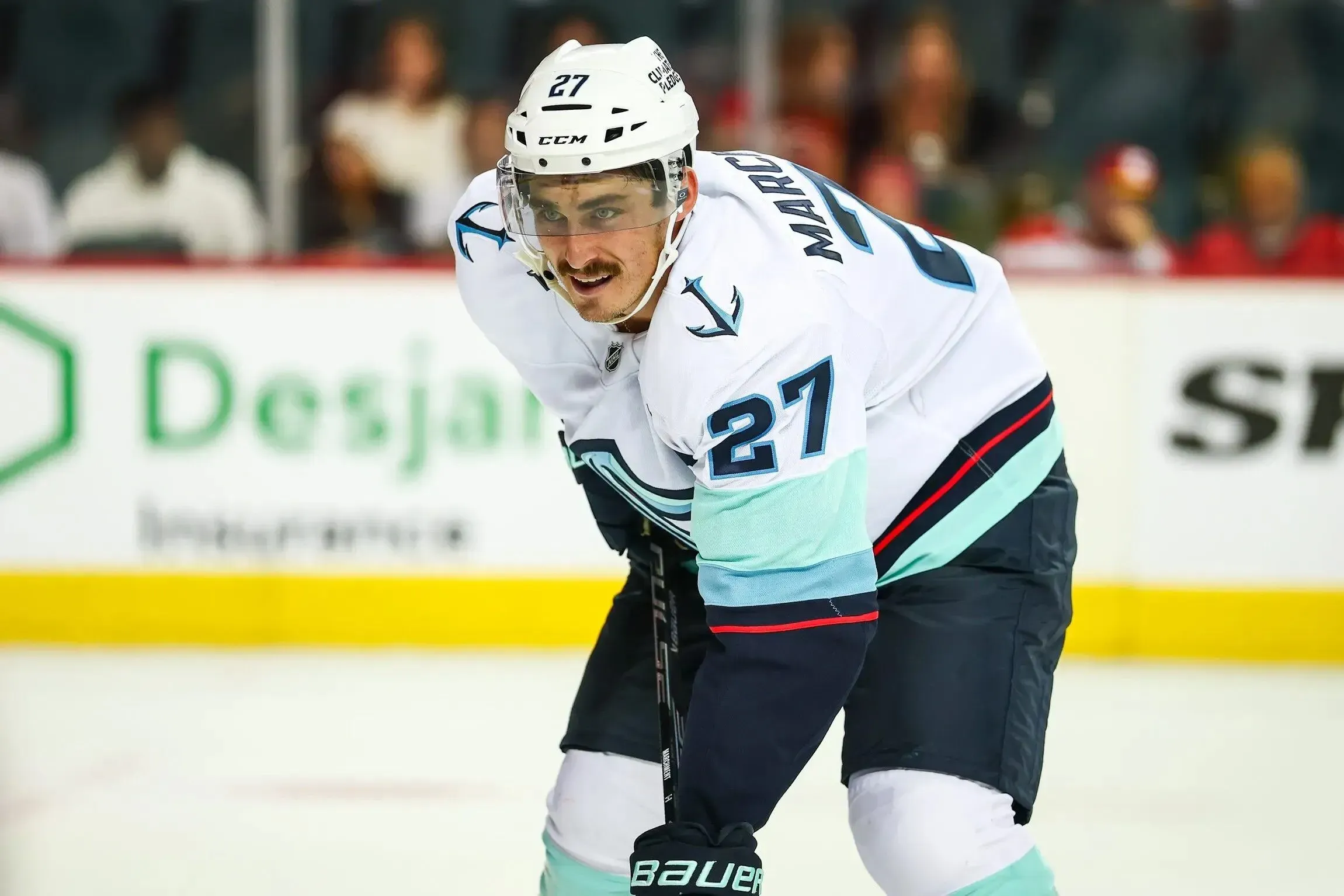
Mason Marchment offers a 25-goal scoring projection combined with physicality that fits the middle six. Pagnotta noted Marchment can slide between second and third lines while contributing situationally on the power play. This flexibility contrasts with stricter deployment profiles of current Toronto depth players who lack similar goal-scoring output.
Eeli Tolvanen adds offensive skill at age 27 and brings a younger profile than Jenner or Marchment. Pagnotta described Tolvanen as a mid-six caliber player whose game continues to improve. The Leafs would accept some variance in production in exchange for potential upside that exceeds current roster averages.
No 2C remains available on July 1 according to the same analysis, forcing any center upgrade through trade channels rather than free agency. This constraint elevates the value of versatile wingers who can stabilize lines around existing centers. Each target therefore serves a distinct role in addressing specific gaps rather than a single comprehensive fix.
Depth and Physicality Additions
A.J. Greer becomes a fourth-line target if he does not re-sign with Anaheim. Pagnotta listed Greer among players who supply physicality and protection for incoming prospects. This acquisition would complement skill-focused signings by providing the glue element required in the locker room.
Ryan Lomberg similarly appears on Pagnotta’s radar for the same physical depth role. Adding one or both players would create a fourth-line unit capable of shielding younger talent during the 2026-27 season. The causal link runs from veteran presence on the ice and in the room directly to reduced risk for the organization’s top draft pick.
These depth options contrast with pure skill acquisitions by emphasizing intangibles over point totals. The Leafs have historically needed such players during prospect transitions, and the 2026 class accelerates that requirement. Free agency therefore serves dual purposes of mid-six reinforcement and bottom-six stabilization.
Protecting the Incoming Core
The number one pick from the 2026 draft will require on-ice and locker-room protection from day one. Pagnotta explicitly tied physical additions to this need after hearing earlier discussion of prospect integration. Without such signings the young player risks exposure to physical mismatches that delay development.
July 1 timing matters because competing teams will also pursue the same unrestricted free agents. Toronto must act quickly on Marchment or Tolvanen to avoid losing them to higher offers elsewhere. The resulting roster construction would feature improved middle-six scoring alongside reliable fourth-line support.
Overall free agency strategy therefore balances three mid-six candidates against two physical depth targets. This mix directly supports both immediate competitiveness and long-term prospect development without overextending the cap on unavailable center talent.
Frequently Asked Questions
Sources

Par Mike Jonderson
Mike Jonderson is a passionate hockey analyst and expert in advanced NHL statistics. A former college player and mathematics graduate, he combines his understanding of the game with technical expertise to develop innovative predictive models and contribute to the evolution of modern hockey analytics.