






The Montreal Canadiens were riding high on early-season momentum when disaster struck. Alex Newhook, who had been enjoying one of the finest stretches of his career, suffered a fractured ankle during a game against the Dallas Stars that will sideline him for four months. The injury comes at a particularly painful time for a team already missing star acquisition Patrik Laine and now dealing with an extended absence for defenseman Kaiden Guhle as well. With Newhook expected to miss action until mid-March, the Canadiens front office faces a critical decision: ride out the storm with internal options or explore the trade market to maintain their competitive position.
The timing couldn’t be worse for Kent Hughes and his management team. Newhook had established himself as a key contributor with six goals and six assists through 17 games, placing him fifth in team scoring. More importantly, he had found instant chemistry with rookies Ivan Demidov and Oliver Kapanen, creating one of Montreal’s most dynamic offensive trios. His absence leaves a significant void in the lineup that won’t be easily filled, forcing the organization to evaluate all available options to keep their playoff aspirations alive.
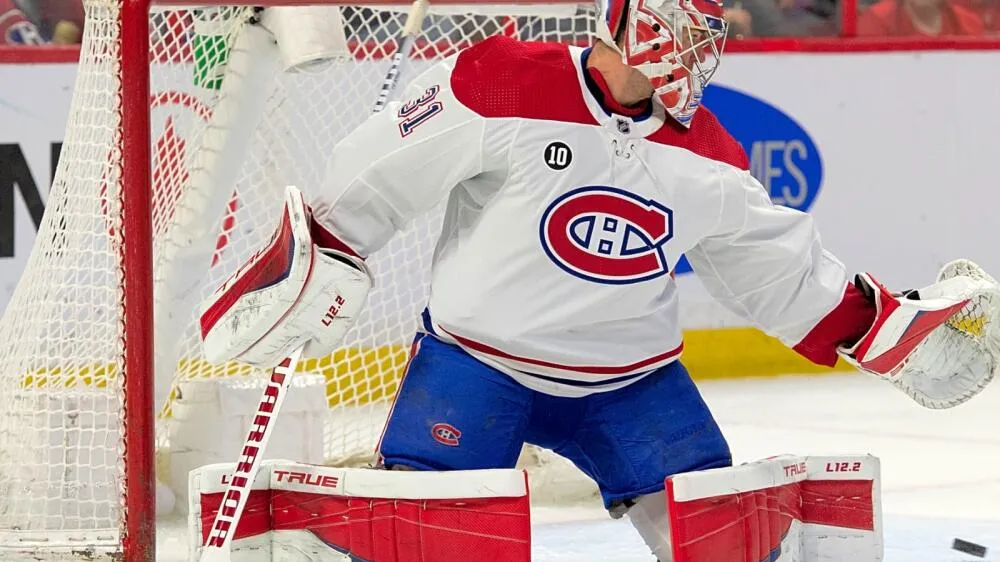
Understanding the impact of Alex Newhook’s injury on Montreal Canadiens trade options
The loss of Newhook extends far beyond simple statistics. His speed, forechecking ability, and defensive responsibility made him an ideal complement to the Canadiens’ young talent. Playing on a line with two rookies, Newhook provided the veteran presence and two-way reliability that allowed Alex Newhook’s strong start to become one of the season’s pleasant surprises. He was sheltering Demidov and Kapanen defensively while driving play and producing offensively.
Without Newhook, the Canadiens’ forward depth chart suddenly looks thin. The team had built its early success on balance and depth rather than relying solely on stars like Nick Suzuki and Cole Caufield. Now, with both Laine and Newhook unavailable, Montreal lacks the secondary scoring punch that made them competitive against quality opponents. This reality forces difficult questions about whether internal solutions can fill the gap or if external help becomes necessary.
The injury also affects line combinations throughout the roster. Coach Martin St. Louis will need to experiment with new configurations, potentially disrupting chemistry that had been building. Players like Josh Anderson and Brendan Gallagher face increased pressure to produce, while rookies may be asked to shoulder heavier responsibilities than originally planned. The ripple effects touch every aspect of the team’s structure.
General manager Kent Hughes must weigh the team’s current competitive position against the long-term rebuild timeline. The Canadiens have won just one of their last five games, showing cracks in the early-season foundation. A four-month absence for a top-nine forward creates legitimate concerns about maintaining playoff positioning through the challenging winter months ahead.
Evaluating Montreal Canadiens trade options for immediate forward help
The natural response to significant injury losses involves scanning the trade market for available replacements. According to The Hockey Writers, Hughes could explore waiver claims or low-cost trades to stabilize the forward group. However, the general manager has never been one to make panic moves, preferring calculated decisions that fit the team’s long-term vision.
Several factors complicate Montreal’s trade options. First, the team still considers itself in a rebuilding phase, making it difficult to justify trading premium assets for rental players. Hughes would likely only consider deals involving players with term remaining on their contracts, ensuring any acquisition fits beyond the current season. This significantly narrows the available pool of trade candidates.
Second, the Canadiens’ salary cap situation limits their flexibility. While they have some space to work with, they can’t afford to take on massive contracts without corresponding moves elsewhere. This reality pushes them toward mid-range options rather than expensive star acquisitions. They need someone who can provide immediate top-nine impact without breaking the budget or mortgaging the future.
Potential trade targets mentioned in recent speculation include veterans who could provide short-term stability. Names like Brayden Schenn, Jordan Kyrou, and Alex Tuch have surfaced in various reports as players who might become available if their teams fall out of contention. Each brings different attributes—Schenn offers veteran leadership and physicality, Kyrou provides offensive skill, and Tuch combines size with scoring ability.
However, acquiring any of these players would require significant assets. Hughes must determine whether the team’s current trajectory justifies paying the asking price. If Montreal believes it can genuinely compete for a playoff spot, making a move becomes more justifiable. If this season remains primarily about development and evaluation, standing pat might make more sense despite the short-term pain.
Internal solutions and call-ups as Montreal Canadiens trade options alternatives
Before pulling the trigger on any trade, Hughes will likely exhaust internal options. The Canadiens recalled forward Jared Davidson from the Laval Rocket immediately following Newhook’s injury. Davidson brings energy and can fill a bottom-six role, but he doesn’t represent a like-for-like replacement for Newhook’s top-nine impact. His recall serves more as a depth move than a solution to the scoring void.
Other Laval players could receive opportunities in the coming weeks. Joshua Roy has NHL experience and offensive upside that might translate to increased production at the top level. Marc Del Gaizo provides defensive depth if the Canadiens need to shuffle personnel. Sean Farrell, when healthy, represents another prospect with scoring potential who could get a longer look in the NHL.
The advantage of relying on internal options extends beyond salary cap considerations. Giving prospects meaningful NHL minutes accelerates their development and helps management evaluate who fits into the long-term plans. The Alex Newhook’s early 2025-26 season success story itself demonstrates how opportunity can unlock hidden potential. Perhaps another young player will seize this chance similarly.
Veterans on the current roster also face increased responsibilities. Anderson, despite his struggles in recent seasons, possesses the skill set to contribute more offensively if given additional ice time in favorable situations. Gallagher’s heart-and-soul approach could inspire improved performance from himself and his linemates. Christian Dvorak might see expanded responsibilities as well, though his production has been inconsistent.
The coaching staff’s creativity will be tested during this stretch. St. Louis must find ways to maximize the roster’s potential without overextending young players or asking veterans to do more than they’re capable of providing. Line juggling will be frequent as the team searches for combinations that work. Special teams deployment might shift as well, creating opportunities for different players to contribute.
Strategic rest days and careful minute management become crucial. With depth thinned, the Canadiens cannot afford additional injuries from overuse. Protecting key players while still competing in every game represents a delicate balancing act that will define this difficult period.
Timing considerations for Montreal Canadiens trade options decisions
The Canadiens don’t need to make immediate decisions about trade acquisitions. The NHL trade deadline doesn’t arrive until early March, giving Hughes time to evaluate how the team performs without Newhook. This patience could serve Montreal well, allowing clearer pictures to emerge about both the roster’s capabilities and which players might become available.
If the Canadiens remain competitive through December and into January, the pressure to add will increase. Teams hovering around playoff positions typically become buyers as the deadline approaches, and Montreal could find itself in that category if internal solutions prove adequate. Conversely, if the team struggles significantly, standing pat or even becoming sellers might make more sense.
Market conditions will also influence Hughes’ decisions. Early in the season, teams hold onto their assets hoping for turnarounds. As struggling franchises face reality heading toward the deadline, more players become available at potentially better prices. Waiting could allow Montreal to acquire help at a discount compared to making a desperation move now.
The nature of Newhook’s injury—a four-month absence with a potential return in mid-March—creates unique timing considerations. If acquired, any replacement would need to integrate quickly to provide value before Newhook potentially returns near season’s end. This reality might push Hughes toward familiar players or those known for adapting rapidly to new systems.
Other teams’ injury situations could create opportunities as well. A contender losing a key player might seek help from Montreal’s depth, presenting trade possibilities that wouldn’t otherwise exist. Hughes must stay alert to the evolving landscape, ready to capitalize when advantageous scenarios emerge.
Long-term strategic thinking beyond Montreal Canadiens trade options
Perhaps the most important consideration involves whether this injury, despite its immediate pain, might actually benefit Montreal’s long-term development. The Canadiens remain a young team learning to compete at the NHL level. Adversity often teaches valuable lessons that success cannot, and overcoming this challenge could accelerate the maturation process.
This situation will reveal which players possess the mental toughness and skill to elevate their games when needed most. Those who rise to the occasion establish themselves as core pieces moving forward. Those who struggle provide management with important information about their long-term viability. Every game without Newhook becomes an evaluation opportunity.
From a pure asset management perspective, avoiding panic trades preserves the organization’s collection of draft picks and prospects. Hughes has built impressive depth through smart drafting and patient development. Depleting those resources for short-term help could damage the foundation he’s carefully constructed. Sometimes the hardest decision is deciding not to act.
The injury also creates openings for unexpected chemistry to develop. Perhaps Demidov and Kapanen thrive with a different center, discovering combinations that work even better than the Newhook line. Maybe a prospect gets his breakthrough opportunity and never looks back. The NHL is full of stars who emerged only because injuries opened doors that would have otherwise remained closed.
Montreal’s competitive window likely extends several years into the future as young stars like Demidov, Lane Hutson, and others reach their primes. Sacrificing future assets to marginally improve this season’s playoff odds might not align with that timeline. Hughes must weigh every decision against the broader strategic vision for the franchise.
The current adversity tests the entire organization’s commitment to the process. Staying patient during difficult stretches demonstrates faith in the plan and the players executing it. If management panics at the first major setback, it sends concerning messages about confidence in the roster and the rebuild’s progress.
Alex Newhook’s injury presents the Montreal Canadiens with their first major test of the season. After a promising start fueled by balanced scoring and improved depth, the team must now navigate four months without a key contributor while also missing Patrik Laine. Kent Hughes faces genuine pressure to evaluate all options, including potential trades, internal call-ups, and strategic patience. The decisions made in the coming weeks will reveal much about the organization’s true timeline and competitive aspirations.
Whether Hughes explores the trade market for short-term help or commits to internal development depends on multiple factors—the team’s performance through December, available trade options, asking prices, and long-term strategic considerations. No single path forward appears obviously correct. The injury creates opportunity amid adversity, testing the depth Hughes has assembled while potentially accelerating prospect development. How Montreal responds to this challenge will shape not just this season’s outcome but the trajectory of the rebuild itself.
Frequently Asked Questions

Par Mike Jonderson
Mike Jonderson is a passionate hockey analyst and expert in advanced NHL statistics. A former college player and mathematics graduate, he combines his understanding of the game with technical expertise to develop innovative predictive models and contribute to the evolution of modern hockey analytics.