

The Detroit Red Wings recorded 92 points in the 2025-26 season yet missed the playoffs by seven points, their best total in nearly a decade.
Roster vision requires pivot from veteran signings
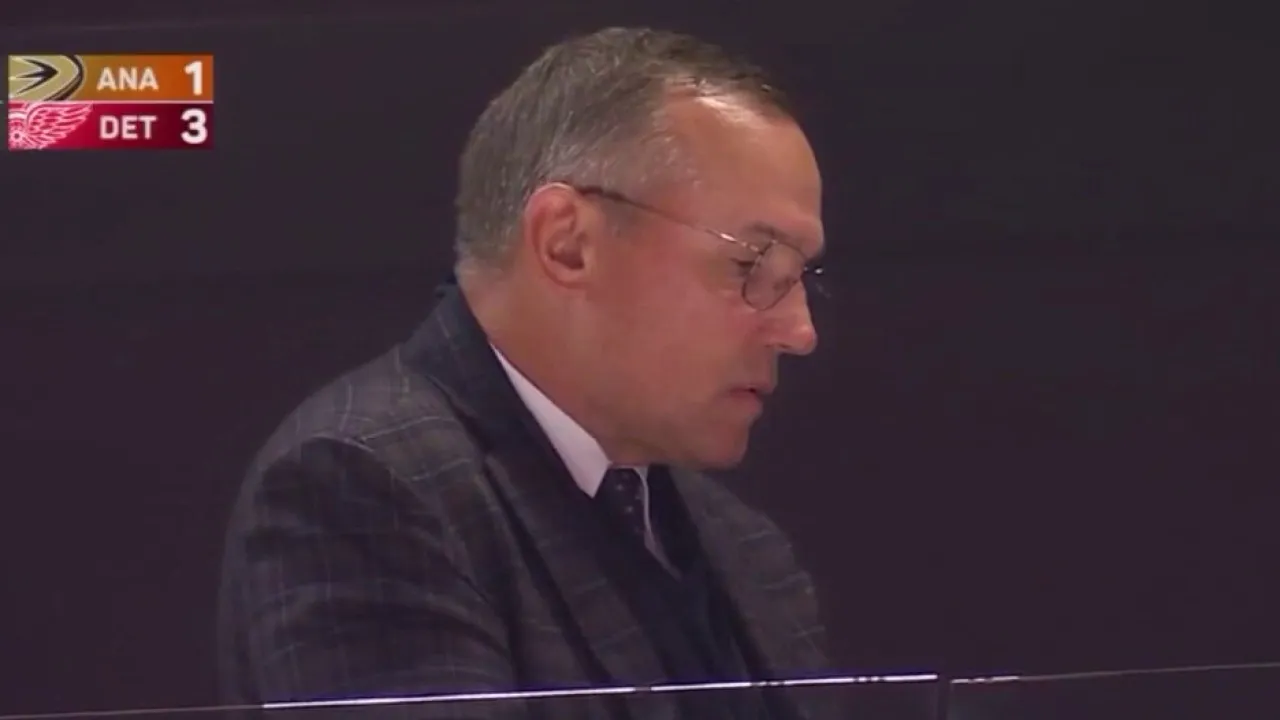
Steve Yzerman served more than nine years as general manager before his tenure ended, yet the organization posted no playoff appearance during that span despite the improved 92-point output. Ownership and the front office must decide whether the preference for loading up on veterans via free agency remains the mandated path or whether a new GM receives freedom to insert younger players earlier.
The 2025-26 campaign showed the limits of that veteran-first strategy when several players openly questioned the long-term vision. A contrast appears with organizations that moved prospects into the lineup on accelerated timelines, producing higher ceiling teams once the core matured.
Causal pressure comes from the Original Six franchise’s financial stability, which removes revenue-sharing constraints that force other clubs into short-term moves. Ownership therefore controls whether the next hire inherits the same slow-roll philosophy that produced a decade without postseason hockey.
Any incoming executive inherits a prospect pool that developed slowly under the prior regime, forcing an immediate choice between another round of veteran additions or a deliberate acceleration of internal development.
Larkin trade demand tests new leadership direction
Dylan Larkin expressed a desire to leave Detroit, a stance tied to both personal friction with Yzerman and broader organizational direction. The new GM must determine within weeks whether the captain’s dissatisfaction is personal or structural before any trade market develops.
If ownership views Larkin as surplus under a full rebuild mandate, the 92-point roster still lacks the future assets that would accompany his departure. Conversely, retaining him requires the incoming executive to demonstrate tangible change from the veteran-heavy model that produced only seven-point margins in recent seasons.
Yzerman retains some influence over the hiring process, which creates an additional layer of continuity risk for any candidate who favors moving the captain for draft capital rather than current roster pieces.
A decision to trade Larkin would mark the clearest break from the previous decade, while keeping him signals that the franchise still believes incremental veteran support can close the gap to the postseason.
Competitiveness timeline hinges on ownership mandate
The Red Wings must define what level of competitiveness justifies ending the ten-year playoff drought versus pursuing a deeper, Cup-contending window. Missing the playoffs by seven points in 2025-26 places the franchise at a crossroads between chasing 96-98 point seasons and accepting a longer rebuild.
Financial health allows ownership to reject revenue-sharing pressures that push other teams toward quick fixes, yet the same stability can also support patient prospect development if the mandate shifts.
The incoming GM therefore operates under an explicit ownership directive on acceptable timelines, either accepting short-term veteran patches or committing to a multi-year path that delays another playoff appearance.
Historical precedent from the franchise’s successful 1990s and mid-2000s eras shows that sustained contention followed aggressive youth integration rather than repeated veteran cycles.
The next general manager’s first public statements on these three fronts will reveal whether the organization has authorized a genuine departure from the decade of 92-point mediocrity.
Frequently Asked Questions
Sources

Par Mike Jonderson
Mike Jonderson is a passionate hockey analyst and expert in advanced NHL statistics. A former college player and mathematics graduate, he combines his understanding of the game with technical expertise to develop innovative predictive models and contribute to the evolution of modern hockey analytics.