











The NHL landscape shifts constantly with injuries, line shuffles, and coaching decisions that can alter the competitive balance of any given matchup.
This comprehensive guide explores the essential aspects of tracking NHL daily projected lineups and starting goalies updates, helping you stay ahead of the curve throughout the season.
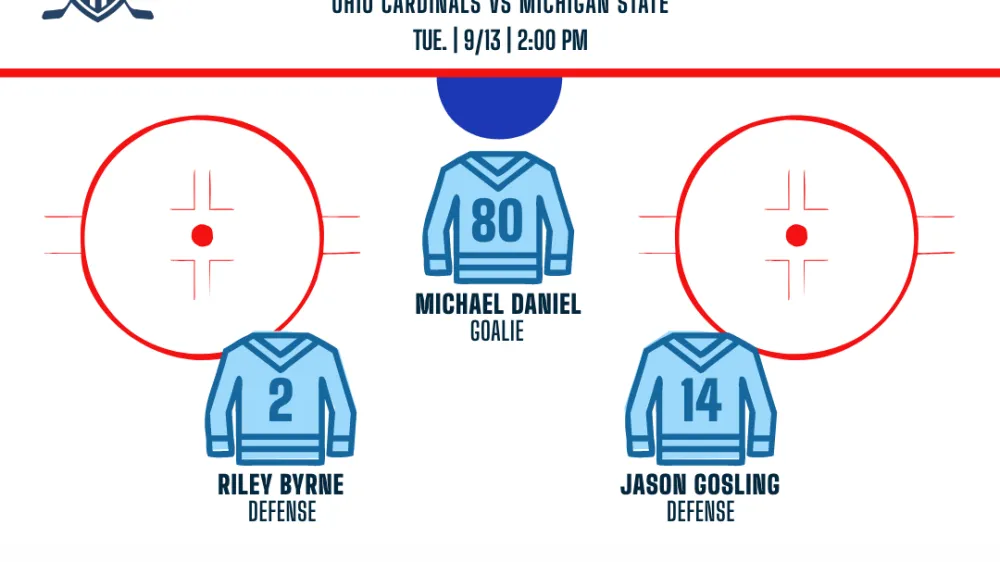
Where to find reliable NHL daily projected lineups and starting goalies updates
The digital age has transformed how fans access lineup information, with multiple platforms offering real-time updates throughout the day. The official NHL.com website remains one of the most authoritative sources, publishing comprehensive projected lineups for every game on the schedule. Their staff writers compile information from team practices, morning skates, and official announcements to provide detailed forward lines, defensive pairings, and goaltending probables several hours before puck drop.
Specialized hockey analytics sites like Daily Faceoff and RotoWire have built their reputations on providing timely and accurate lineup projections. These platforms typically update their information multiple times per day, starting with initial projections based on recent line combinations and practice reports, then refining those projections as teams hold morning skates and coaches address the media. The confirmed goalie status often arrives later in the day, sometimes just an hour or two before game time.
For fantasy hockey players and daily fantasy sports participants, sites like RotoGrinders offer lineup information alongside salary cap data and projected point totals. These platforms integrate lineup updates with advanced statistics and matchup analysis, providing context beyond just who’s playing. The Hockey Writers publishes daily comprehensive lineup reports that include not just the projected combinations but detailed injury reports and status updates on players who might be game-time decisions.
Social media has become an increasingly important source for breaking lineup news, with team beat reporters and credible hockey insiders often breaking goalie starts and lineup changes on Twitter before official announcements. Following verified team accounts and established reporters can provide the fastest possible updates, though cross-referencing with established sites ensures accuracy. Many fans combine multiple sources to create a comprehensive picture of the day’s lineup landscape.
Understanding the timing of NHL daily projected lineups and starting goalies updates
The rhythm of NHL game days follows a consistent pattern that determines when lineup information becomes available. For evening games starting at 7:00 PM or later, teams typically hold optional morning skates or full practices between 10:00 AM and noon local time. Coaches usually address the media following these sessions, providing the first concrete information about lineup decisions and starting goaltenders. This means reliable projections often emerge between noon and 2:00 PM Eastern time for most games.
Afternoon and matinee games present a different timeline, with teams sometimes forgoing morning skates entirely. In these cases, lineup information might not be confirmed until much closer to puck drop, with starting goalies sometimes announced just 90 minutes before game time. Weekend afternoon games particularly challenge fantasy managers who need to set lineups early, making early projections based on recent trends more valuable in these situations.
Back-to-back game scenarios create additional complexity in predicting starting goalies. Teams rarely start the same goaltender on consecutive nights, making these situations relatively predictable—the netminder who didn’t play the first game will almost certainly start the second. However, exceptions occur when one goalie is significantly outperforming the other or when injuries necessitate heavier workloads for the number-one option.
The most reliable confirmation comes approximately two hours before game time when teams submit their official starting lineups to the league. At this point, all scratches are finalized, and the starting goalie is officially confirmed. For bettors and daily fantasy players with late swap capabilities, this represents the final opportunity to make informed decisions based on complete information. Understanding NHL daily projected lineups and goalie updates becomes crucial during these critical hours.
How injuries impact NHL daily projected lineups and starting goalies updates
Injuries represent the single most significant factor that alters daily lineup projections. When a top-six forward or top-four defenseman goes down, the ripple effects cascade throughout the lineup as players move up to fill vacancies and line combinations get reshuffled. Teams often don’t reveal injury information until game day, with players listed as day-to-day creating uncertainty for those trying to project lineups. Morning skate participation becomes a critical indicator—players taking full contact typically signal availability, while those in non-contact jerseys or absent entirely are unlikely to play.
The NHL’s injury reporting system provides limited detail, with teams only required to list players on injured reserve without specifying exact ailments beyond broad categories like upper-body or lower-body injuries. This deliberate vagueness, intended to prevent opponents from targeting injured areas, means that the severity and expected return timeline often remain unclear. Reporters who cover teams closely become invaluable sources, as their relationships with coaches and medical staff can provide insights beyond official team statements.
Goaltender injuries create particularly significant fantasy and betting implications given the importance of the position. When a starting goalie goes down, backup goalies suddenly become must-start options in fantasy leagues, while betting lines can shift dramatically based on the perceived gap in goaltending quality. Teams sometimes recall emergency goalies from the AHL on short notice, creating situations where a previously unknown netminder might make an NHL debut with minimal advance warning.
Recent examples illustrate these dynamics perfectly. Filip Hallander of the Pittsburgh Penguins was recently diagnosed with a blood clot in his leg that will sideline him for at least three months, forcing significant lineup adjustments. Kevin Hayes practiced after missing the first 15 games with an upper-body injury, creating uncertainty about whether he would return against New Jersey or Los Angeles. Similarly, Dougie Hamilton left the Devils’ lineup after an injury in the second period against Montreal, forcing Colton White into his first NHL game since April 2023—a situation that dramatically altered defensive pairings and powerplay units.
Interpreting line combinations in NHL daily projected lineups and starting goalies updates
Line combinations reveal coaching strategies and provide insights into how teams plan to attack opponents. The traditional structure of four forward lines and three defensive pairs follows a hierarchy, with the first line typically featuring a team’s best offensive players and the fourth line consisting of checking players or energy specialists. Changes to these combinations signal coaching adjustments based on recent performance, matchup considerations, or chemistry experiments.
When analyzing projected lineups, pay attention to which players are centering lines, as centers take faceoffs and typically drive play more than wingers. A skilled playmaker at center surrounded by shooting wingers creates different opportunities than a defensive-minded center with grinding linemates. Similarly, defensive pairings matter enormously—an offensive defenseman paired with a stay-at-home partner represents a balanced approach, while two offensive defensemen together might signal aggressive tactics but defensive vulnerabilities.
Powerplay units don’t appear in even-strength lineup projections but represent crucial information for fantasy purposes. Some sites include special teams units in their projections, showing which players occupy the valuable positions on the first powerplay unit. These assignments can change based on recent effectiveness, with struggling units sometimes getting reshuffled mid-season. Time on ice with the man advantage directly correlates with point production, making these assignments extremely valuable information.
Line juggling mid-game and between games creates constant evolution in combinations. A line that clicks one game might be kept together, while struggling combinations get broken up quickly. Tracking these patterns helps predict future lineup decisions. For example, if a team reunites players who previously had success together, those combinations often stick around if early results are positive. Daily NHL projected lineups and starting goaltenders updates provide the foundation for understanding these evolving relationships.
The strategic importance of starting goalie announcements in NHL daily projected lineups and starting goalies updates
Starting goalie decisions represent perhaps the most impactful single piece of information in daily lineup updates. Goaltenders face 25-35 shots per game and can single-handedly determine outcomes, making the difference between elite and average goaltending worth multiple goals per game. Fantasy managers typically roster multiple goalies but must decide which to start, while bettors adjust their wagers significantly based on the netminder matchup.
Teams manage goaltender workloads carefully throughout the 82-game season, with most squads employing a clear starter who plays 50-60 games and a backup handling the remainder. Understanding each team’s goalie deployment patterns helps predict starts before official announcements. Some coaches follow predictable rotation schedules, while others ride the hot hand or make matchup-based decisions. Back-to-back situations almost always result in split starts unless playoff positioning demands otherwise.
The confirmation status of starting goalies varies throughout the day. “Projected” or “probable” designations indicate educated guesses based on rest patterns and coach comments but lack official confirmation. “Confirmed” status means the team or a reliable beat reporter has officially announced the starter. For afternoon games, confirmations often arrive late, while evening games typically get confirmed by mid-afternoon. Sites like RotoWire and Daily Faceoff use clear labeling systems to indicate confidence levels in their goalie projections.
Backup goalies presenting favorable matchups against weak offensive teams can offer tremendous value in fantasy formats. When a team’s backup faces the league’s worst offense, the opportunity for a win with decent save percentage becomes attractive despite the goalie’s secondary role. Conversely, elite starting goalies facing powerhouse offenses present risk-reward scenarios. Understanding these matchup dynamics, combined with timely information from NHL.com’s official lineup projections, enables sophisticated decision-making.
How coaching decisions shape NHL daily projected lineups and starting goalies updates
Coaching philosophy dramatically influences lineup construction and rotation patterns. Some coaches value consistency, keeping line combinations together for extended periods to build chemistry and familiarity. Others prefer frequent adjustments, mixing lines based on recent performance, opponent matchups, or situational needs. Understanding individual coaching tendencies helps predict lineup decisions before official announcements arrive.
Healthy scratches represent another coaching tool that impacts daily lineups. When veterans underperform or young players need development time, coaches sometimes sit players despite full health. These decisions often become apparent only on game day when a player expected to play doesn’t appear in the projected lineup. Beat reporters usually provide context, explaining whether a scratch reflects performance issues, roster management, or tactical decisions for specific matchups.
Special teams usage varies significantly by coach, with some deploying star players on both powerplay and penalty kill while others limit responsibilities to optimize even-strength effectiveness. Coaches managing older star players sometimes reduce their defensive zone starts and penalty kill time to preserve energy for offensive situations. These strategic choices affect time on ice and production, making them relevant factors when evaluating player value.
The balance between rewarding performance and maintaining roster hierarchy creates tension in lineup decisions. When a fourth-line player performs excellently, should he move up and displace a struggling veteran? Different coaches answer this question differently, with some prioritizing meritocracy and others valuing proven track records. Following teams throughout the season reveals these philosophical differences, enabling better prediction of future lineup adjustments.
Leveraging NHL daily projected lineups and starting goalies updates for fantasy hockey success
Fantasy hockey managers who incorporate daily lineup updates into their strategy gain significant advantages over competitors. Knowing which players will sit out, which goalies will start, and which line combinations will take the ice allows for optimized lineup decisions. Daily fantasy sports platforms particularly reward this diligence, as constructing lineups with complete information about playing time and roles creates crucial edges.
The streaming strategy in fantasy leagues depends entirely on timely lineup information. When a starting goalie faces a weak opponent, picking up that goalie for a single start can provide wins and solid ratios. Similarly, skaters elevated to top lines or powerplay units due to injuries become valuable short-term additions. Without reliable daily updates, identifying these opportunities becomes guesswork rather than informed strategy.
Injury replacements often provide the best fantasy value in daily formats. When a star player goes down, the player stepping into his role and ice time represents an obvious target. Recent examples include Kevin Hayes potentially returning to Pittsburgh’s lineup after missing 15 games, immediately making him relevant in deeper formats. Colton White playing his first NHL game since 2023 for New Jersey might not offer fantasy value, but the defensive reshuffling that necessitates it affects multiple players’ roles and ice time.
Multi-entry tournament strategies in daily fantasy leverage lineup information to create differentiated rosters. While chalk plays that everyone rosters make sense in cash games, tournaments reward contrarian thinking. Finding a backup goalie whose start hasn’t been widely reported yet, or a player elevated to a better line whose new role hasn’t fully reflected in projections, creates leverage against the field. This edge requires being among the first to access and act on lineup updates.
The betting implications of NHL daily projected lineups and starting goalies updates
Sports bettors incorporate lineup information into every wager, with starting goalie announcements sometimes shifting betting lines by half a goal or more. When an elite starting goalie unexpectedly sits in favor of a backup, the team’s odds worsen significantly. Sharp bettors monitoring lineup news can sometimes find favorable numbers before bookmakers adjust lines, though sportsbooks have become increasingly quick to react to this information.
Injury news creates similar betting opportunities and risks. A team missing its top defenseman and starting goalie becomes significantly weaker, yet if the betting public hasn’t fully absorbed this information, the line might not accurately reflect the diminished roster. Conversely, a star player returning from injury might provide value on their team, particularly if the market hasn’t fully accounted for the strengthened lineup.
Line combinations matter for specific betting markets like player props and goal scorer bets. A winger elevated to the first line and first powerplay unit sees their goal-scoring odds improve substantially, potentially offering value if prop markets haven’t fully adjusted. Similarly, defensemen known for offensive production who move to better pairings or powerplay roles become more attractive for point prop bets.
Totals betting (over/under on total goals scored) depends heavily on the goaltending matchup. Two elite starting goalies suggest a lower-scoring game, while backup goalies or struggling starters indicate higher goal totals. Sharp bettors compare the implied total from betting odds to their own assessment based on the goaltender matchup, seeking discrepancies that offer value. Resources like The Hockey Writers’ daily lineup updates provide the foundation for these calculations.
Staying current with NHL daily projected lineups and starting goalies updates has evolved from a niche interest into an essential practice for anyone seriously engaged with hockey. Whether your goals involve fantasy success, betting profits, or simply deeper understanding of the game, access to timely and accurate lineup information provides undeniable advantages. The ecosystem of websites, reporters, and platforms delivering this information has matured significantly, offering multiple reliable sources that update throughout each game day.
The key to maximizing these resources lies in understanding both where to find information and how to interpret it. Line combinations reveal coaching strategies, injury reports explain roster changes, and goaltending decisions shape game outcomes in profound ways. As the season progresses, patterns emerge in how individual teams manage their rosters, deploy their goalies, and construct their lines. Recognizing these patterns transforms daily lineup updates from raw data into actionable intelligence that informs better decisions across fantasy, betting, and analytical contexts.

Par Mike Jonderson
Mike Jonderson is a passionate hockey analyst and expert in advanced NHL statistics. A former college player and mathematics graduate, he combines his understanding of the game with technical expertise to develop innovative predictive models and contribute to the evolution of modern hockey analytics.