















The NHL power play has become one of the most critical differentiators between contenders and pretenders in modern hockey. As teams continue to refine their special teams strategies heading into 2025, the ability to capitalize with the man advantage often separates playoff teams from those watching from home. With refined systems, elite talent deployment, and increasingly sophisticated analytics driving decision-making, understanding the NHL power play efficiency rankings for 2025 provides crucial insight into which teams are positioned for success.
Top-tier NHL power play efficiency rankings 2025 dominators
The elite tier of power play units in the 2025 season showcases teams that have mastered the art of converting opportunities into goals. These organizations have built systems that maximize their offensive talent while exploiting defensive weaknesses with surgical precision.
Leading the pack are teams that have achieved conversion rates exceeding 30%, a benchmark that historically correlates with deep playoff runs. The top-performing units share common characteristics: elite shooting talent, creative playmakers who can manipulate penalty kill units, and defensemen capable of controlling the point with both passing vision and shooting threats. These teams don’t just score on the power play—they demoralize opponents with their relentless efficiency.
The Vegas Golden Knights have established themselves as a perennial power play threat, projecting to score between 70-75 power play goals this season according to fantasy hockey projections. Their ability to maintain consistent pressure and generate high-danger chances has made them one of the most feared special teams units in the league. Detroit’s resurgence under new coaching has transformed their power play into a weapon, jumping to conversion rates near 40% during key stretches of the season.
What separates these elite units isn’t just talent—it’s execution under pressure. Teams at the top of the NHL power play efficiency rankings 2025 demonstrate patience in their setup, willingness to move the puck quickly to exploit seam passes, and shooters who don’t hesitate when opportunities present themselves. The Dallas Stars and New Jersey Devils round out the top tier, each bringing unique tactical approaches that keep penalty kill units guessing.
The Winnipeg Jets have been particularly historic in their power play dominance during the 2024-25 season, posting a remarkable 28.9% conversion rate that ranks among the best single-season performances since the NHL began tracking power play statistics in 1977. Gabriel Vilardi and Kyle Connor have been catalysts, with the duo combining for over 30 power play points, showcasing the depth of scoring threats that makes defending against them nearly impossible.
Mid-tier contenders in NHL power play efficiency rankings 2025
The middle tier of power play units represents teams that have shown flashes of brilliance but lack the consistency to compete with the elite. These squads typically convert between 20-25% of their opportunities, which keeps them competitive but leaves room for improvement that could elevate their overall performance.
Teams in this category often possess the talent necessary for elite production but struggle with systematic issues. Whether it’s predictable zone entries, overreliance on perimeter shooting, or inability to win crucial faceoffs to start possessions, these units need refinement rather than wholesale changes. The challenge for coaches is identifying which adjustments will unlock their power play’s full potential.
Several playoff-caliber teams find themselves in this tier, which creates both opportunity and concern. On one hand, these teams remain competitive in tight games where a single power play goal can shift momentum. On the other hand, they recognize that playoff success often hinges on special teams excellence, and merely average power play production may not suffice against elite competition.
The Colorado Avalanche present a fascinating case study in this tier. Despite fielding generational talents like Nathan MacKinnon and Cale Makar, their power play has produced at merely average rates, scoring just 0.63 power play goals per game. This disconnect between individual skill and collective output suggests systematic issues that coaching adjustments could potentially address. When the Avalanche power play clicks, they’re capable of dominating stretches, but consistency remains elusive.
Columbus Blue Jackets have experienced volatility in their power play production, cycling between hot streaks and prolonged droughts. Their ability to climb into playoff contention will likely depend on whether Zach Werenski and the power play unit can maintain consistent production rather than experiencing the feast-or-famine cycles that have characterized their season.
Struggling units at the bottom of NHL power play efficiency rankings 2025
The teams occupying the bottom of the power play efficiency rankings face urgent questions about personnel, systems, and coaching approaches. Converting below 15% of power play opportunities not only fails to capitalize on opponent mistakes but can actually drain momentum from teams desperate for offensive production.
These struggling units often share common problems: lack of a legitimate shooting threat that forces penalty kills to respect one-timer options, poor puck movement that allows defenders to remain static rather than rotating, and predictable patterns that opposing teams easily diagnose and neutralize. The psychological impact of repeated power play failures cannot be understated—players begin to grip their sticks tighter, and what should be an advantage becomes a source of frustration.
Recent analytics have shown that teams struggling on the power play often face cascading issues throughout their game. The inability to score with the man advantage puts additional pressure on five-on-five production, and teams can find themselves in defensive shells trying to protect leads rather than confidently attacking opponents.
The New York Islanders represent the most extreme case of power play futility in 2025, posting historically poor numbers that rank among the worst since the NHL began tracking the statistic. Converting at rates that would produce fewer than 0.30 power play goals per game over a full season, the Islanders’ struggles with the man advantage have severely hampered their playoff aspirations. Despite adding veteran specialists and trying various lineup combinations, the fundamental issues persist.
Carolina Hurricanes have experienced unexpected power play struggles despite acquiring Mikko Rantanen specifically to address their special teams concerns. The unit has gone 1-for-14 since the trade, raising questions about chemistry and systematic fit. For a team with Stanley Cup aspirations, power play production remains a critical vulnerability that could prove fatal in playoff matchups where special teams often determine series outcomes.
Ottawa Senators have drawn the most power play opportunities in the league with 269 chances, yet their inability to convert these opportunities at elite rates represents significant missed potential. While drawing penalties demonstrates an aggressive, skilled approach to the game, failing to capitalize on these chances leaves points on the table that could prove crucial in tight playoff races.
Strategic elements driving NHL power play efficiency rankings 2025
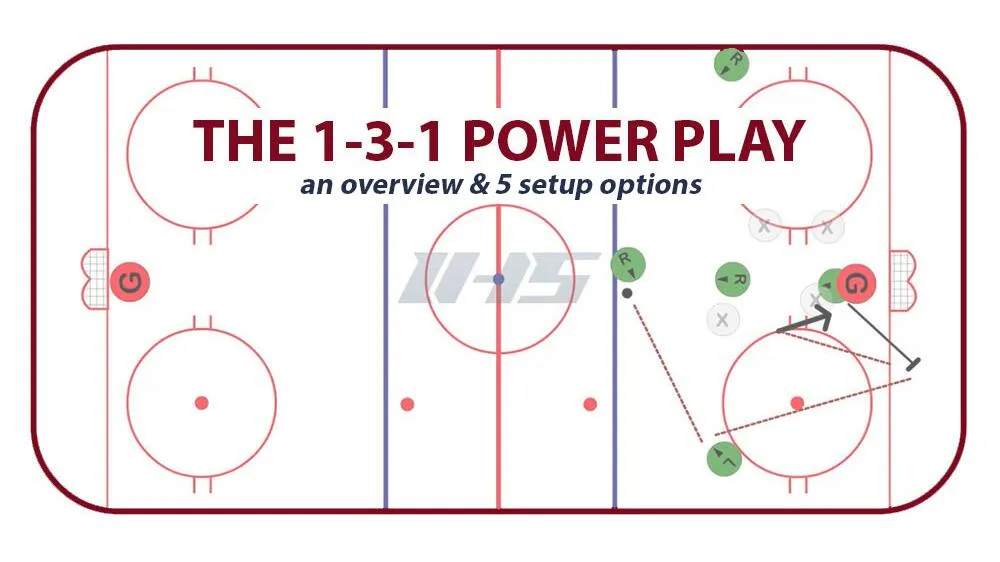
The tactical evolution of power play systems in 2025 reflects broader trends in hockey strategy and analytics. Teams have moved beyond simple umbrella formations to incorporate more dynamic movement, multiple shooting threats, and sophisticated puck retrieval strategies that maintain offensive zone time even after initial shot attempts.
Modern power play units emphasize net-front presence more than ever, recognizing that screens, deflections, and rebound opportunities create higher-percentage chances than perimeter shooting alone. The best units feature players willing to pay the physical price of establishing position in high-danger areas, creating chaos that penalty kill units struggle to manage while also defending against elite shooters on the perimeter.
Zone entry strategies have become increasingly sophisticated, with teams developing multiple approaches to beat aggressive penalty kill forechecks. Some units rely on speed through the neutral zone to create odd-man rushes before defenders can establish position. Others use controlled entries with multiple passing options, patiently probing for seams rather than forcing plays into coverage.
Faceoff success has emerged as a critical but often overlooked component of power play efficiency. Teams that consistently win draws to start power plays or after stoppages maintain possession and establish their systems immediately. Conversely, units that lose faceoffs spend precious seconds of their advantage trying to regain possession, effectively shortening their time with the man advantage.
Personnel deployment has also evolved, with many teams now employing their best players for the majority of power play time rather than splitting opportunities across multiple units. This concentration of talent maximizes efficiency with the league’s elite players, though it requires exceptional conditioning and can create depth concerns if injuries strike key special teams contributors.
The integration of analytics into power play coaching has transformed how teams evaluate success beyond simple conversion percentages. Expected goals models, shot quality metrics, and zone time data provide more nuanced understanding of which units are genuinely effective versus those simply experiencing good or bad fortune. Teams can identify whether poor conversion rates reflect systematic problems or temporary shooting percentage variance that will regress toward mean.
Impact of NHL power play efficiency rankings 2025 on playoff positioning
As the season progresses toward the playoffs, power play performance increasingly influences playoff positioning and seeding. Teams with elite special teams often accumulate additional standings points through close victories decided by a single power play goal, and these narrow margins ultimately determine home ice advantage and first-round matchups.
Historical data demonstrates that Stanley Cup champions consistently rank in the top third of power play efficiency during both regular season and playoffs. While teams can occasionally advance despite poor special teams through exceptional goaltending or defensive play, sustaining success over multiple playoff rounds without a functional power play remains exceptionally difficult. The best defensive teams recognize this reality and work to improve their man advantage even when other aspects of their game are performing well.
The psychological dimensions of power play success extend beyond individual games. Teams that consistently convert power play opportunities carry confidence that permeates their entire approach, while squads that struggle with the man advantage can develop fragile mindsets where every penalty drawn creates pressure rather than opportunity. Coaches must manage these psychological elements while simultaneously addressing tactical and personnel issues.
As the 2025 season unfolds, teams at all levels of the power play efficiency rankings face crucial decisions about whether to stand pat with existing systems or make dramatic changes. Organizations near the top may simply need minor tweaks, while those struggling face choices between personnel changes, systematic overhauls, or accepting limitations while focusing resources on other aspects of their game. The trade deadline often sees teams targeting power play specialists who can provide the finishing touch that transforms adequate units into elite ones.
The NHL power play efficiency rankings 2025 reveal a league where special teams excellence remains paramount to championship aspirations. Teams that have mastered the art of converting man-advantage opportunities position themselves for playoff success, while those struggling face urgent questions about personnel and systems. As the season enters its final months, power play performance will continue separating contenders from pretenders, with teams making critical adjustments that could determine their postseason fate. Organizations willing to adapt their approaches, whether through tactical refinements or roster additions, give themselves the best chance to climb these rankings and position themselves for the deep playoff runs that every franchise covets.

Par Mike Jonderson
Mike Jonderson is a passionate hockey analyst and expert in advanced NHL statistics. A former college player and mathematics graduate, he combines his understanding of the game with technical expertise to develop innovative predictive models and contribute to the evolution of modern hockey analytics.