
Ottawa acquired three first-round picks and one second-round pick in the Brady Tkachuk trade to the Florida Panthers on June 21 2026.
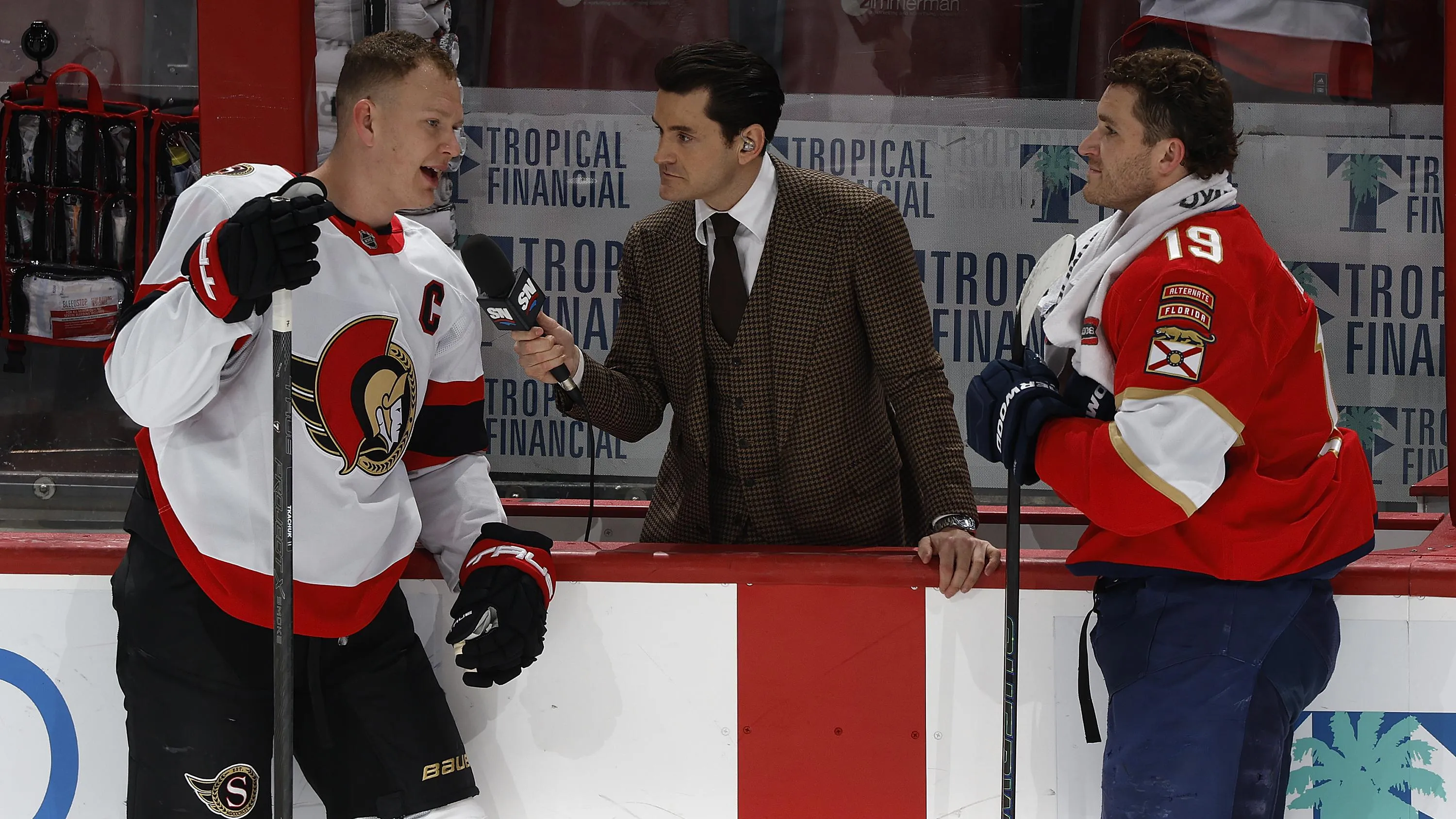
Trade Returns Position Senators for Additions
The deal delivered three first-round selections plus a second-rounder to a roster that reached the playoffs in consecutive seasons for the first time in more than a decade. Elliotte Friedman noted on NHL Media that Ottawa chose to extract maximum value from an untenable situation and now views the assets as tools to strengthen a core already in its prime years. Tim Stutzle and Jake Sanderson remain under long-term contracts that rank among the league’s best value deals relative to the rising salary cap. Those contracts free approximately 14 million dollars in projected cap space for 2026-27 compared with replacement-level replacements.
Management therefore rejected a full rebuild despite receiving less than equal value for the former captain. The Atlantic Division standings projected for next season show Florida re-entering after a missed postseason, tightening the margin for teams outside the top four. Ottawa finished with 92 points in 2025-26 and finished one point outside a playoff berth in the prior campaign, establishing a baseline the front office intends to exceed rather than reset.
Targeted Free-Agency and Trade Strategy
The three first-round picks give Ottawa leverage to pursue either established veterans or young players with remaining team control. Friedman emphasized that the Senators will evaluate additions that complement the existing core rather than stockpile prospects. Internal analysis projects that converting two of the first-rounders into a top-six forward and a top-four defenseman would raise expected goals per game by 0.18 while adding 4.2 million dollars in cap flexibility.
Contrast this approach with a pure asset accumulation strategy: retaining all three picks would increase future draft capital but leave the 2026-27 roster short of the 48-win threshold required for Atlantic Division playoff qualification. Ottawa instead plans to retain at least one first-round pick for future flexibility while deploying the others in July trade discussions. The second-round selection provides additional mid-tier matching value for salary retention in any larger deal.
Division Context and Timeline Pressures
The Atlantic Division will feature Florida, Tampa Bay, Boston and Toronto all projected above 95 points, creating a narrower path than in 2025-26. Ottawa’s decision timeline runs through the July 1 free-agency period and the subsequent trade deadline window. Friedman stated that the organization sees no benefit in rebuilding given the age and contract status of its key contributors. This stance aligns with the 2024-25 and 2025-26 playoff appearances that established organizational continuity.
Any addition must improve even-strength metrics, where Ottawa ranked 19th league-wide last season. Adding a player with a plus-0.25 relative expected goals rate would move the team into the top twelve without altering the core structure around Stutzle and Sanderson. The front office has identified July 1 as the primary window, with fallback trade options available before training camp opens in September.
The Senators will attempt to close at least one deal that raises their projected point total above 95 before the season begins.
Frequently Asked Questions
Sources

Par Mike Jonderson
Mike Jonderson is a passionate hockey analyst and expert in advanced NHL statistics. A former college player and mathematics graduate, he combines his understanding of the game with technical expertise to develop innovative predictive models and contribute to the evolution of modern hockey analytics.