



Phillip Danault’s return to the Montreal Canadiens in December 2025 marked a homecoming filled with purpose. The 33-year-old center, born in Victoriaville, Quebec, had spent six seasons with the team before signing with the Los Angeles Kings as a free agent in 2021. After four years of limited success in LA, he reached out to his agent with a clear request: get him back to Montreal.
The trade sent Danault to the Canadiens in exchange for a second-round pick in 2026. What began as a personal desire quickly turned into a strategic move that strengthened Montreal’s roster during a deep playoff run.
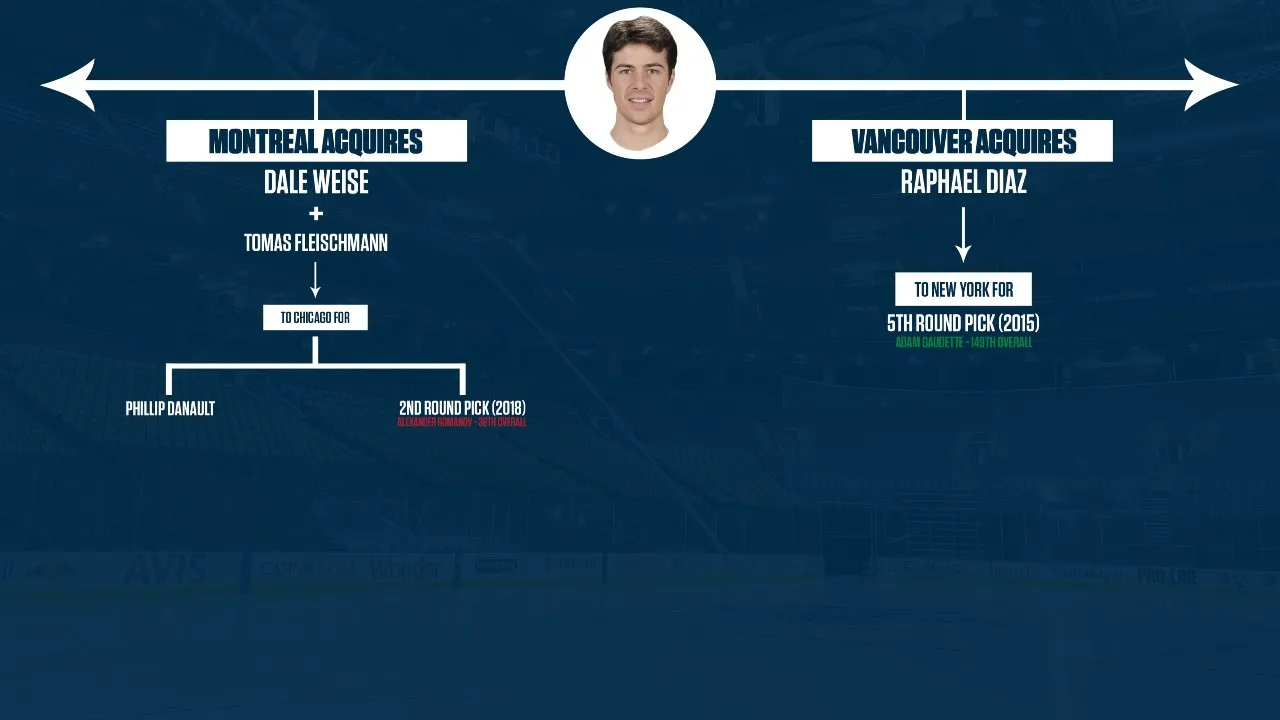
Background on danault’s time away from montreal
Danault enjoyed strong production early in his Kings tenure, including 27 goals in 2021-22. His role steadily diminished over the following seasons, leaving him uncertain about his place on the team. Four consecutive first-round exits wore on the veteran, who craved a winning environment.
Quebec-born players often face unique pressures in Montreal, from family expectations to the intense spotlight of the hockey-obsessed market. Danault understood these challenges yet still longed to return to the passion and energy he associated with the Canadiens.
He watched the team closely from afar and maintained friendships in the locker room. Admiration for head coach Martin St. Louis grew as Danault observed the club’s direction.
Agent allan walsh shares key insights into the deal
Danault’s agent, Allan Walsh, described the move as a “stroke of genius from Montreal’s part.” Walsh noted that his client never fully said goodbye to the organization in his heart. The drive to win a Stanley Cup remained his top priority.
Walsh explained that Danault identified exactly what the Canadiens needed: a veteran to work with younger players, upgrade the penalty kill, win faceoffs, and play a strong defensive role. The team struggled to keep the puck out of its net despite offensive talent, making Danault’s skill set a perfect fit.
“He didn’t demand a trade,” Walsh said. “We sat there and said we’ve tried this and tried that, now let’s see what’s out there. But really, it was about going back to Montreal.”
The agent highlighted how Danault viewed himself as the missing piece for a club poised for success.
Danault’s impact since returning to the canadiens
In his second stint with Montreal, Danault has revived his identity as a shutdown center and faceoff specialist. He posted a strong 57.5 percent win rate in the playoffs while contributing two goals and eight points in 15 regular-season games after the trade.
Coach Martin St. Louis praised the veteran’s role: “He fills in a chair — a role — that we needed. We have some great young players, tons of skill. We need to have some veteran guys that can play a different role — killing penalties, good on draws, hard to play against defensively.”
Danault needed time to adjust to the team’s system but has since fit in seamlessly. In Game 1 of the Eastern Conference final, he recorded a goal and an assist in a 6-2 victory over the Carolina Hurricanes.
The 33-year-old has spoken emotionally about the return, calling it an honor and noting that the Canadiens logo has always been in his DNA. The electric atmosphere and strong fan relationship mean everything to him.
Looking ahead for danault and the canadiens
Danault’s addition has provided the defensive stability and secondary scoring Montreal required to advance deep into the postseason. His presence alongside skilled young talent creates a balanced roster capable of sustained success.
The trade not only fulfilled a personal wish for the player but also addressed specific team needs at a critical time. As the Canadiens push for a championship, Danault’s experience and renewed motivation position him as a key contributor.
This move underscores how player-driven returns to familiar environments can deliver both emotional and on-ice benefits when the timing aligns perfectly.
Frequently Asked Questions

Par Mike Jonderson
Mike Jonderson is a passionate hockey analyst and expert in advanced NHL statistics. A former college player and mathematics graduate, he combines his understanding of the game with technical expertise to develop innovative predictive models and contribute to the evolution of modern hockey analytics.