







The atmosphere at Madison Square Garden was different on October 26, 2024. After a frustrating start to their home campaign, the New York Rangers desperately needed to find their winning touch in front of their passionate fans. What transpired that evening against the Anaheim Ducks would become a pivotal moment in the early season, breaking a concerning winless streak at “The World’s Most Famous Arena” and providing the blueprint for future success.
The Rangers entered that Saturday night with an impressive 4-0-0 road record but had stumbled to an 0-1-1 mark at home, including a disappointing 3-1 loss to the defending champion Florida Panthers just two nights earlier. The contrast between their road dominance and home struggles created an uncomfortable narrative that needed addressing immediately.
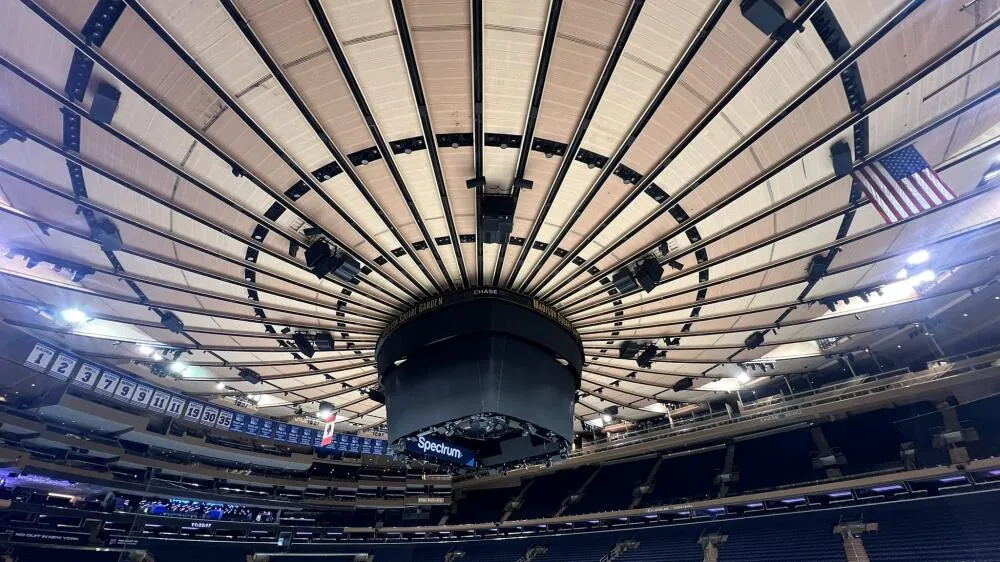
Breaking through against Anaheim: How the New York Rangers first home win at Madison Square Garden unfolded
Jonathan Quick stood tall between the pipes, making 32 crucial saves as the Rangers edged the Ducks 2-1 in a tightly contested affair. The veteran goaltender’s performance exemplified the defensive commitment that head coach Peter Laviolette had been demanding from his squad throughout the early season struggles.
The game remained scoreless through two periods despite the Rangers outshooting Anaheim 18-12 in the opening frame alone. Ducks goaltender Lukas Dostal matched Quick save for save, keeping his team within striking distance as the tension mounted in the building. Quick made perhaps his most critical stop with 4:40 remaining in the second period, denying Mason McTavish with a spectacular glove save on a one-timer that would have given Anaheim the lead.
“I thought we played a pretty good game,” Laviolette said after the victory. “They’re a good team, they create a lot, and I thought we defended pretty well. ‘Quicky’ made some big saves when he needed to, made some big saves at the end of the game.”
The breakthrough finally came at 4:13 of the third period when defenseman Ryan Lindgren, who had missed the first five games with an upper-body injury, unleashed a one-timer from the slot. Artemi Panarin, continuing his torrid start to the season, delivered the setup pass from behind the net. For Lindgren, scoring his first goal of the season in such a crucial moment made the evening even more memorable.
Third period heroics secure the New York Rangers first home win at Madison Square Garden
Will Cuylle provided insurance at 11:53 of the final frame, though not without controversy. The young forward had already experienced one disallowed goal earlier in the period when he was ruled offside after a Ducks challenge. This time, Kaapo Kakko’s shot deflected off Cuylle’s skate and past Dostal. After video review confirmed there was no kicking motion, the goal stood, giving New York a 2-0 cushion.
“On the actual play, it just, like, hit my skate,” Cuylle explained. “So, I wasn’t trying to kick it. I think I saw on the replay that it looked a little suspect, but that’s just kind of your reaction when the puck is coming to your skate.”
Anaheim’s Olen Zellweger spoiled Quick’s shutout bid just 45 seconds later, redirecting a Leo Carlsson pass to cut the deficit to 2-1. The young defenseman’s goal injected urgency into the Ducks’ attack and created a nervous final eight minutes for the Rangers and their fans. Cam Fowler nearly found the equalizer with a wraparound attempt at 16:35, but Quick beat him to the right post with a crucial pad save.
Quick’s 395th career victory required every ounce of his experience, particularly in the closing seconds when he made two additional saves to preserve the lead. The veteran’s performance validated Laviolette’s decision to rely on him in this critical moment. This resilience demonstrated how much the Rangers had learned from their early struggles, showing the character that would define their season.
Why the New York Rangers first home win at Madison Square Garden mattered more than the standings suggested
Improving to 6-1-1 overall and 1-1-1 at home might not seem like a watershed moment in isolation, but context matters. The Rangers were one of only two teams in the NHL without a home victory at that point in the season. The psychological weight of that distinction had begun to affect the locker room dynamic, with players visibly frustrated by their inability to reward the Madison Square Garden faithful with winning hockey.
The victory extended several positive trends that would become hallmarks of the Rangers’ identity. Panarin’s point streak reached eight games with his assist on Lindgren’s goal, giving him six goals and 15 points through the first eight games. He joined Colorado’s Nathan MacKinnon as the only active players to open consecutive seasons with point streaks of at least eight games, having started the previous year with points in 15 straight contests.
The defensive structure that Laviolette implemented also began to take shape. While the offense had exploded for at least four goals in each of the first six games, the coaching staff knew sustainable success required balanced play. Limiting Anaheim to 33 shots while generating 32 of their own demonstrated the two-way commitment the team needed.
For Rangers fans, the win also extended a remarkable home dominance over the Ducks. New York had now won 10 consecutive home games against Anaheim dating back to March 22, 2015. Such streaks provide confidence and psychological edges, even if they’re not directly relevant to individual game situations.
The road-home disparity that made the New York Rangers first home win at Madison Square Garden so crucial
The split between New York’s road excellence and home struggles raised legitimate questions about the team’s mental approach. Teams typically thrive on home ice, feeding off crowd energy and benefiting from last change and familiar surroundings. The Rangers had flipped that script entirely, looking comfortable and composed away from Manhattan while appearing tentative and overthinking situations at Madison Square Garden.
“We had lost a couple of games at home and we started to lose our swagger, so to speak,” Mike Sullivan would later acknowledge during a subsequent home drought. The pressure of expectations, combined with the intense scrutiny that comes with playing in New York, can sometimes create counterproductive tension.
The Rangers’ road success provided clues about their optimal playing style. Away from home, teams typically adopt a more direct, north-south approach, relying on speed and simplicity rather than elaborate zone entries and cycling patterns. This mentality seemed to suit the Rangers’ personnel perfectly, with their speed through the neutral zone creating odd-man rushes and their forecheck generating turnovers.
Translating that road game to home ice became Laviolette’s central challenge. The victory over Anaheim suggested progress, though the battle would continue throughout the season. Quick’s steady presence in goal provided the foundation, while timely scoring from unexpected sources like Lindgren demonstrated the depth contributions needed for sustained success.
The New York Rangers’ first home win at Madison Square Garden during the 2024-25 season arrived with a 2-1 victory over the Anaheim Ducks on October 26, 2024. While the scoreline might not have been spectacular, the significance extended far beyond the two points in the standings. It represented a mental breakthrough, a validation of their playing style, and a foundation upon which they could build sustained home success. Jonathan Quick’s 32 saves, Ryan Lindgren’s timely breakthrough goal, and Will Cuylle’s insurance marker combined to deliver relief to a fanbase that had grown increasingly anxious about their team’s struggles at The World’s Most Famous Arena. For more insights on how the Rangers navigated their season, check out NHL Insight’s coverage and AP’s game recap.

Par Mike Jonderson
Mike Jonderson is a passionate hockey analyst and expert in advanced NHL statistics. A former college player and mathematics graduate, he combines his understanding of the game with technical expertise to develop innovative predictive models and contribute to the evolution of modern hockey analytics.