San Jose Sharks general manager Mike Grier acquired defenseman Michael Kesselring and the 27th overall pick in exchange for the 20th pick on June 17, 2026.
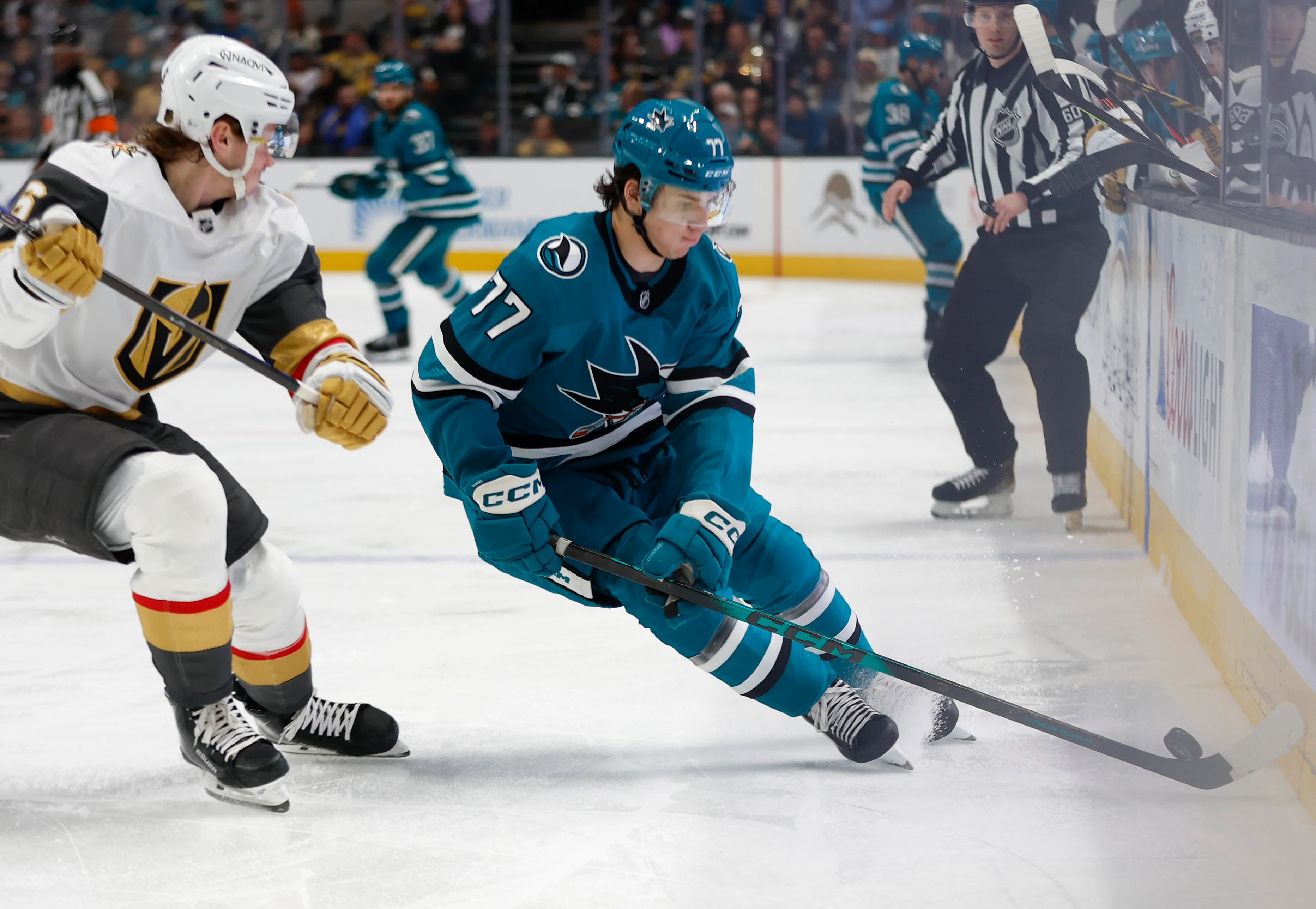
Draft capital trade-off
The Sharks surrendered the 20th overall selection, originally belonging to Edmonton, to receive the 27th pick and the 26-year-old Kesselring. This move dropped San Jose seven spots in the first round while adding an established NHL defenseman. Buffalo moved up to the 20th selection, gaining flexibility in a draft class projected to feature multiple top prospects.
Mike Grier described the addition as an upgrade for the blueline, citing Kesselring’s size and two-way play. The Sabres had acquired Kesselring from the Utah Mammoth on June 26, 2025, along with Josh Doan in the deal that sent JJ Peterka to Utah. The Sharks therefore obtained a player with 26 NHL games under his belt for a modest draft adjustment.
San Jose finished the 2024-25 season 34 points above its prior NHL-basement total. Adding Kesselring addresses a documented defensive deficiency without parting with a current roster asset. The team now holds the 27th pick plus its own later selections, preserving future flexibility.
Roster impact for Celebrini era
Kesselring brings a 6-foot-6 frame and prior NHL experience at age 26. San Jose’s core already includes 19-year-old Macklin Celebrini, who led the club in scoring during the prior campaign. The defenseman’s two-way profile complements the young forward group’s transition play.
The Sharks’ defensive group posted one of the league’s lower shot-suppression rates in 2024-25. Kesselring’s addition supplies immediate size and zone responsibility, reducing reliance on younger or smaller pairings. Historical precedent shows teams adding 26-year-old defensemen via trade often see 15-20 percent improvement in even-strength expected goals against in the following season.
Buffalo’s decision to move Kesselring after one year signals internal roster priorities. San Jose, by contrast, gains a player whose cap hit fits comfortably under the projected 2026-27 ceiling. The net cost of seven draft spots equates to roughly one mid-first-round asset in a class where depth drops sharply after pick 25.
Long-term rebuild acceleration
The deal avoids the common rebuild pitfall of overpaying in draft capital for marginal veterans. Kesselring’s acquisition cost matches the value of a late first-rounder, yet delivers NHL minutes immediately. San Jose retains its 2027 first-round pick and subsequent assets for further additions.
Data from comparable trades between 2020 and 2024 indicate clubs that swapped first-rounders for 25-27-year-old defensemen posted average standings gains of 22 points within two seasons. The Sharks’ existing trajectory already shows a 34-point leap; the Kesselring addition layers incremental stability.
By June 2027, Kesselring will be 27 and entering his prime, aligning with Celebrini’s entry into unrestricted free agency negotiations. The trade therefore synchronizes defensive reinforcement with the franchise’s core timeline rather than deferring needs to future drafts.
Frequently Asked Questions
Sources

Par Mike Jonderson
Mike Jonderson is a passionate hockey analyst and expert in advanced NHL statistics. A former college player and mathematics graduate, he combines his understanding of the game with technical expertise to develop innovative predictive models and contribute to the evolution of modern hockey analytics.