













Staying ahead with NHL daily projected lineups and starting goalies updates
For hockey fans, fantasy players, and sports bettors alike, staying current with NHL daily projected lineups and starting goalies updates has become essential to success. The modern game moves at lightning speed, with lineup changes, injury updates, and goaltender decisions often announced just hours—or even minutes—before puck drop. Whether you’re setting your daily fantasy roster, analyzing betting lines, or simply want to know who’s taking the ice for your favorite team, having access to reliable, up-to-the-minute information can make all the difference between victory and defeat.
The landscape of NHL information has evolved dramatically in recent years. Gone are the days when fans had to wait for game-day morning skates or pre-game broadcasts to learn about lineup configurations. Today’s digital ecosystem provides real-time updates across multiple platforms, offering comprehensive details about forward lines, defensive pairings, special teams units, and crucially, which goaltender will be between the pipes. Understanding where to find this information and how to interpret it has become a skill in itself, one that separates casual observers from those who truly have their finger on the pulse of the league.
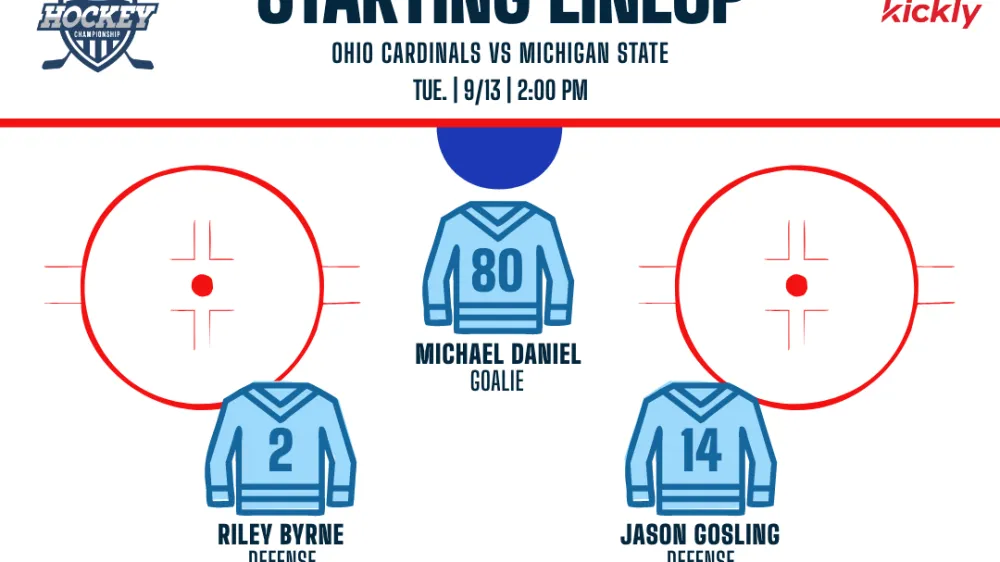
Why NHL daily projected lineups and starting goalies updates matter for fantasy success
Fantasy hockey players know that daily lineup decisions can swing matchups dramatically. Unlike season-long fantasy formats where you set lineups weekly, daily fantasy sports require constant attention to the latest roster moves and goaltending assignments. A star forward dropping down to the third line due to a coaching shuffle could see reduced ice time and fewer scoring opportunities. Conversely, a third-liner elevated to play alongside elite talent might suddenly become a value pick worth exploiting.
Starting goalie announcements carry even more weight in the fantasy realm. Goaltenders typically account for a significant portion of fantasy point potential, and the difference between a team’s starter and backup can be substantial. Elite netminders like Connor Hellebuyck, Andrei Vasilevskiy, and Igor Shesterkin consistently post superior statistics compared to their backups, making their presence in the lineup a critical factor. The challenge lies in the timing of these announcements—teams often wait until morning skates or even game time to confirm their starter, creating a narrow window for fantasy players to adjust their rosters.
The strategic value extends beyond simply knowing who starts. Understanding goaltending rotations helps predict future starts, especially during back-to-back games when teams rarely use the same netminder twice. According to Daily Faceoff’s comprehensive goaltending tracker, most NHL starting goalies play around 50-60 games per season, meaning coaches must carefully manage their workload throughout the grueling 82-game schedule. Savvy fantasy players anticipate these patterns, positioning themselves to capitalize on backup goalies who might face weaker opponents during scheduled rest days for the starter.
Injury reports form another crucial component of daily lineup analysis. A defenseman moving to injured reserve doesn’t just open a roster spot—it reshuffles ice time distribution, power play units, and penalty kill assignments. When Brady Tkachuk recently underwent thumb surgery, the Ottawa Senators had to reconfigure their entire forward deployment, creating opportunities for players like Nick Cousins and Ridly Greig to assume larger roles. These ripple effects throughout the lineup create hidden value that attentive fantasy players can exploit before the wider market catches on.
Line combination tracking also reveals chemistry and coaching preferences that predict future success. When a line clicks—like the Canucks’ top trio before injuries disrupted their lineup—coaches tend to keep those players together, creating consistent scoring opportunities. The opposite also holds true: struggling combinations get broken up quickly, sometimes within a single period. Real-time lineup tracking allows fantasy managers to spot these trends early, identifying which players are gaining or losing favor with their coaches before their performance statistics fully reflect the change.
How NHL daily projected lineups and starting goalies updates influence betting strategy
The sports betting market has exploded in recent years, and informed bettors understand that lineup information represents a critical edge. Oddsmakers build their opening lines based on projected starters and typical lineup configurations, but these lines can shift dramatically once official announcements are made. Bettors who track NHL daily projected lineups and starting goalies updates gain the opportunity to place wagers before odds adjust to reflect confirmed information, potentially locking in more favorable prices.
Goaltender matchups particularly impact betting markets across multiple bet types. The moneyline, puck line, and over/under totals all respond to starting goalie announcements. When two elite defensive teams with top-tier goaltending face off—imagine a matchup between the Jets’ Connor Hellebuyck and the Stars’ Jake Oettinger—the smart money typically flows toward the under on goal totals. These games often feature tight-checking defensive play and spectacular goaltending that keeps scores low. Conversely, when backup goalies face high-powered offenses, the over becomes increasingly attractive.
The NHL.com lineup projections page illustrates how fluid these situations can be. In a recent Sabres-Bruins matchup, Jordan Greenway was making his season debut after missing ten games with a middle-body injury, while the Bruins’ Joonas Korpisalo was making his second consecutive start after a strong 33-save performance. These details provide valuable context for bettors evaluating each team’s potential performance. Greenway’s return potentially strengthens Buffalo’s depth, while Korpisalo riding momentum might give Boston an edge—subtle factors that informed bettors incorporate into their analysis.
Back-to-back scheduling scenarios create particularly interesting betting opportunities. Teams playing their second game in as many nights typically start their backup goalie, which can significantly impact game outcomes and goal totals. However, the situation isn’t always straightforward—some teams have reliable backup goaltending that maintains competitive performance, while others experience a steep dropoff. Understanding each team’s goaltending depth and tracking their rotation patterns allows bettors to identify games where the backup situation creates exploitable value.
Live betting markets add another dimension to lineup information. In-game substitutions, whether due to injury or poor performance, can dramatically shift momentum and create new betting opportunities. When a starting goalie gets pulled after allowing several quick goals, the game dynamics change instantly. Bettors monitoring these changes in real-time can capitalize on live betting lines that haven’t fully adjusted to the new situation. The same principle applies to skater injuries—when a team’s top defenseman leaves the game, their ability to protect leads or mount comebacks may be compromised, creating value on adjusted in-game lines.
Essential sources for NHL daily projected lineups and starting goalies updates
Navigating the landscape of NHL lineup information requires knowing where to find reliable, timely updates. Several platforms have emerged as go-to resources for fans, fantasy players, and bettors seeking the most current lineup information. Each offers unique features and update frequencies that serve different needs within the hockey information ecosystem.
Daily Faceoff has established itself as perhaps the premier destination for lineup and goaltending information. Their starting goalies page provides real-time projections for each NHL game, displaying percentage likelihood for each goalie starting along with recent save percentages and performance metrics. The site’s line combination tool shows forward lines and defensive pairings with remarkable detail, including special teams configurations and recent ice time data. Daily Faceoff’s commitment to updating information as morning skates conclude makes it invaluable for those making last-minute roster decisions.
NHL.com’s official lineup projections offer the league’s sanctioned information, complete with detailed injury reports and coaching notes. The platform’s status reports include quotes from coaches about player availability, lineup changes, and strategic decisions. Recent reports detailed everything from Jordan Greenway’s season debut for Buffalo to Roman Josi’s upper-body injury keeping him out of Nashville’s lineup. This official sourcing provides credibility and depth that supplement faster-updating independent platforms.
RotoWire specializes in fantasy-focused lineup information, providing not just who’s playing but analytical context about what those lineup decisions mean for fantasy production. Their goaltending page distinguishes between confirmed and projected starters, helping fantasy players understand the certainty level of each announcement. The platform also offers salary information for daily fantasy sports platforms, allowing users to identify value picks based on lineup positioning and recent performance trends.
Social media, particularly Twitter, has become an essential real-time information source. Beat reporters covering individual teams often break lineup news before it appears on aggregator sites. Following reporters like Elliotte Friedman, Frank Seravalli, and team-specific beat writers provides the fastest possible updates, though the decentralized nature requires following numerous accounts to maintain comprehensive coverage. Many successful fantasy players and bettors maintain carefully curated Twitter lists specifically for breaking lineup news.
Team websites and official social media accounts represent another direct information channel. Most teams announce their starting goalie and lineup scratches through official channels several hours before game time. While this information eventually filters to aggregator sites, going directly to the source eliminates the middleman delay. During playoff races or crucial divisional matchups, teams may provide additional context about lineup decisions that helps explain strategic choices beyond simple injury considerations.
Understanding the timing of NHL daily projected lineups and starting goalies updates
The daily rhythm of lineup announcements follows a predictable pattern that informed observers learn to anticipate. Understanding this timeline helps fans and fantasy players maximize their preparation time while avoiding premature decisions based on speculative projections rather than confirmed information.
Morning skates typically occur 2-3 hours before evening games, providing the first concrete lineup indicators. Coaches often experiment with different combinations during practice, but morning skate configurations generally reflect game-day intentions. Reporters observing these skates note line rushes, defensive pairings, and which goaltender takes the starter’s customary first reps. This information begins appearing on social media and lineup tracking sites shortly after morning skates conclude, usually 4-6 hours before puck drop for 7:00 PM ET games.
Official goaltender announcements follow varying timelines across different teams. Some coaches confirm their starter immediately after morning skate, while others prefer waiting until closer to game time. This inconsistency creates challenges for fantasy players facing lineup lock deadlines. Daily Faceoff addresses this by assigning confidence percentages to projected starters based on historical patterns, recent workload, and available information. A goalie listed at 95% likely represents a virtual lock, while 60% indicates genuine uncertainty that might not resolve until the last minute.
Injury report updates arrive at multiple points throughout the day. Teams must submit official injury reports, but the timing and detail level varies. The NHL requires teams to disclose player absences, but specifics about injury nature and recovery timelines remain largely discretionary. When the Hurricanes recently dealt with multiple injuries—including Pyotr Kochetkov’s lower-body issue, Jaccob Slavin’s lower-body injury, and K’Andre Miller’s lower-body problem—the team confirmed absences without providing detailed timelines, creating uncertainty for fantasy managers trying to plan multiple days ahead.
Late scratches represent the wildcard in lineup planning. Occasionally players listed as probable or even expected to play are scratched shortly before game time due to illness, reaggravated injuries, or coaching decisions. The Islanders recently scratched center Mathew Barzal after he arrived late to morning skate—a situation that couldn’t have been predicted hours earlier. These last-second changes emphasize the importance of monitoring updates right up until lineup lock, particularly for fantasy formats where late swaps are permitted.
Back-to-back situations often see earlier goaltender announcements, as the pattern of resting the starter in the second game has become standard practice. When teams face consecutive games, coaches frequently confirm their goaltending plan a day in advance, allowing both netminders to mentally prepare for their respective starts. This predictability creates opportunities for fantasy players and bettors to plan ahead with greater confidence than single-game scenarios typically allow.
Injury implications in NHL daily projected lineups and starting goalies updates
Injuries reshape lineups with cascading effects throughout roster configurations. When key players exit the lineup, teams must not only replace the absent skater but reconfigure lines, special teams, and sometimes entire strategic approaches. Understanding these ripple effects separates surface-level lineup tracking from deeper strategic analysis.
Upper-body versus lower-body injury designations provide limited but meaningful information. While teams rarely specify exact injuries, the general category offers clues about recovery timelines and return probability. Lower-body injuries often involve weight-bearing concerns that affect skating mechanics, while upper-body issues might impact shooting, stick handling, or checking ability. When Dallas Stars captain Jamie Benn was sidelined with a collapsed lung, the severity was immediately apparent despite the generic upper-body classification, signaling an extended absence that required significant lineup reshuffling.
Day-to-day designations create particular uncertainty for lineup planning. This classification indicates short-term injury concerns that might resolve within days, but provides no guarantees about game-day availability. The Predators’ Roman Josi recently carried a day-to-day designation with an upper-body injury, leaving his availability uncertain until game time. For opponents facing Nashville, Josi’s absence or presence significantly impacts game planning—his 25+ minutes per game and power-play quarterbacking represent irreplaceable contributions that alter the team’s capabilities.
Injured reserve placements carry specific timeline implications. Regular injured reserve requires minimum seven-day absences from the injury date, while long-term injured reserve mandates at least 10 games and 24 days. These designations help fantasy players and bettors understand minimum absence periods, though players often miss additional time beyond the mandatory minimums. When Buffalo placed Justin Danforth on injured reserve with a lower-body injury, fantasy managers immediately knew he’d miss at least a week, allowing them to plan roster moves accordingly rather than holding a dead roster spot hoping for a quick return.
Injury replacements create opportunity for depth players thrust into elevated roles. When Ottawa’s Brady Tkachuk underwent thumb surgery, players like Nick Cousins and Drake Cozens absorbed additional ice time and responsibility. These situations create fantasy value as depth players suddenly see first-line minutes, power-play time, and matchups against lesser defensive pairs. Identifying these beneficiaries quickly—before their elevated performance drives up their fantasy value—provides competitive advantages in both season-long and daily formats.
The evolution of NHL daily projected lineups and starting goalies updates
The information landscape around NHL lineups has transformed dramatically over the past decade. What once required attending morning skates in person or waiting for intermission reports during broadcasts now appears instantly on mobile devices, creating unprecedented access to lineup information that has fundamentally changed how fans, fantasy players, and bettors engage with the sport.
Early internet era lineup tracking relied on fan forums and unofficial sources, with information accuracy varying wildly. Dedicated fans monitoring practice reports and local media would share updates on message boards, creating informal information networks with inconsistent reliability. The professionalization of this space has brought verified sources, real-time updates, and comprehensive platforms that aggregate information across all 32 teams simultaneously.
Social media, particularly Twitter, has become an essential real-time information source. Beat reporters covering individual teams often break lineup news before it appears on aggregator sites. Following reporters like Elliotte Friedman, Frank Seravalli, and team-specific beat writers provides the fastest possible updates, though the decentralized nature requires following numerous accounts to maintain comprehensive coverage. Many successful fantasy players and bettors maintain carefully curated Twitter lists specifically for breaking lineup news.
Team websites and official social media accounts represent another direct information channel. Most teams announce their starting goalie and lineup scratches through official channels several hours before game time. While this information eventually filters to aggregator sites, going directly to the source eliminates the middleman delay. During playoff races or crucial divisional matchups, teams may provide additional context about lineup decisions that helps explain strategic choices beyond simple injury considerations.
Understanding the timing of NHL daily projected lineups and starting goalies updates
The daily rhythm of lineup announcements follows a predictable pattern that informed observers learn to anticipate. Understanding this timeline helps fans and fantasy players maximize their preparation time while avoiding premature decisions based on speculative projections rather than confirmed information.
Morning skates typically occur 2-3 hours before evening games, providing the first concrete lineup indicators. Coaches often experiment with different combinations during practice, but morning skate configurations generally reflect game-day intentions. Reporters observing these skates note line rushes, defensive pairings, and which goaltender takes the starter’s customary first reps. This information begins appearing on social media and lineup tracking sites shortly after morning skates conclude, usually 4-6 hours before puck drop for 7:00 PM ET games.
Official goaltender announcements follow varying timelines across different teams. Some coaches confirm their starter immediately after morning skate, while others prefer waiting until closer to game time. This inconsistency creates challenges for fantasy players facing lineup lock deadlines. Daily Faceoff addresses this by assigning confidence percentages to projected starters based on historical patterns, recent workload, and available information. A goalie listed at 95% likely represents a virtual lock, while 60% indicates genuine uncertainty that might not resolve until the last minute.
Injury report updates arrive at multiple points throughout the day. Teams must submit official injury reports, but the timing and detail level varies. The NHL requires teams to disclose player absences, but specifics about injury nature and recovery timelines remain largely discretionary. When the Hurricanes recently dealt with multiple injuries—including Pyotr Kochetkov’s lower-body issue, Jaccob Slavin’s lower-body injury, and K’Andre Miller’s lower-body problem—the team confirmed absences without providing detailed timelines, creating uncertainty for fantasy managers trying to plan multiple days ahead.
Late scratches represent the wildcard in lineup planning. Occasionally players listed as probable or even expected to play are scratched shortly before game time due to illness, reaggravated injuries, or coaching decisions. The Islanders recently scratched center Mathew Barzal after he arrived late to morning skate—a situation that couldn’t have been predicted hours earlier. These last-second changes emphasize the importance of monitoring updates right up until lineup lock, particularly for fantasy formats where late swaps are permitted.
Back-to-back situations often see earlier goaltender announcements, as the pattern of resting the starter in the second game has become standard practice. When teams face consecutive games, coaches frequently confirm their goaltending plan a day in advance, allowing both netminders to mentally prepare for their respective starts. This predictability creates opportunities for fantasy players and bettors to plan ahead with greater confidence than single-game scenarios typically allow.
Injury implications in NHL daily projected lineups and starting goalies updates
Injuries reshape lineups with cascading effects throughout roster configurations. When key players exit the lineup, teams must not only replace the absent skater but reconfigure lines, special teams, and sometimes entire strategic approaches. Understanding these ripple effects separates surface-level lineup tracking from deeper strategic analysis.
Upper-body versus lower-body injury designations provide limited but meaningful information. While teams rarely specify exact injuries, the general category offers clues about recovery timelines and return probability. Lower-body injuries often involve weight-bearing concerns that affect skating mechanics, while upper-body issues might impact shooting, stick handling, or checking ability. When Dallas Stars captain Jamie Benn was sidelined with a collapsed lung, the severity was immediately apparent despite the generic upper-body classification, signaling an extended absence that required significant lineup reshuffling.
Day-to-day designations create particular uncertainty for lineup planning. This classification indicates short-term injury concerns that might resolve within days, but provides no guarantees about game-day availability. The Predators’ Roman Josi recently carried a day-to-day designation with an upper-body injury, leaving his availability uncertain until game time. For opponents facing Nashville, Josi’s absence or presence significantly impacts game planning—his 25+ minutes per game and power-play quarterbacking represent irreplaceable contributions that alter the team’s capabilities.
Injured reserve placements carry specific timeline implications. Regular injured reserve requires minimum seven-day absences from the injury date, while long-term injured reserve mandates at least 10 games and 24 days. These designations help fantasy players and bettors understand minimum absence periods, though players often miss additional time beyond the mandatory minimums. When Buffalo placed Justin Danforth on injured reserve with a lower-body injury, fantasy managers immediately knew he’d miss at least a week, allowing them to plan roster moves accordingly rather than holding a dead roster spot hoping for a quick return.
Injury replacements create opportunity for depth players thrust into elevated roles. When Ottawa’s Brady Tkachuk underwent thumb surgery, players like Nick Cousins and Drake Cozens absorbed additional ice time and responsibility. These situations create fantasy value as depth players suddenly see first-line minutes, power-play time, and matchups against lesser defensive pairs. Identifying these beneficiaries quickly—before their elevated performance drives up their fantasy value—provides competitive advantages in both season-long and daily formats.
The evolution of NHL daily projected lineups and starting goalies updates
The information landscape around NHL lineups has transformed dramatically over the past decade. What once required attending morning skates in person or waiting for intermission reports during broadcasts now appears instantly on mobile devices, creating unprecedented access to lineup information that has fundamentally changed how fans, fantasy players, and bettors engage with the sport.
Early internet era lineup tracking relied on fan forums and unofficial sources, with information accuracy varying wildly. Dedicated fans monitoring practice reports and local media would share updates on message boards, creating informal information networks with inconsistent reliability. The professionalization of this space has brought verified sources, real-time updates, and comprehensive platforms that aggregate information across all 32 teams simultaneously.
Social media, particularly Twitter, has become an essential real-time information source. Beat reporters covering individual teams often break lineup news before it appears on aggregator sites. Following reporters like Elliotte Friedman, Frank Seravalli, and team-specific beat writers provides the fastest possible updates, though the decentralized nature requires following numerous accounts to maintain comprehensive coverage. Many successful fantasy players and bettors maintain carefully curated Twitter lists specifically for breaking lineup news.
Team websites and official social media accounts represent another direct information channel. Most teams announce their starting goalie and lineup scratches through official channels several hours before game time. While this information eventually filters to aggregator sites, going directly to the source eliminates the middleman delay. During playoff races or crucial divisional matchups, teams may provide additional context about lineup decisions that helps explain strategic choices beyond simple injury considerations.
Understanding the timing of NHL daily projected lineups and starting goalies updates
The daily rhythm of lineup announcements follows a predictable pattern that informed observers learn to anticipate. Understanding this timeline helps fans and fantasy players maximize their preparation time while avoiding premature decisions based on speculative projections rather than confirmed information.
Morning skates typically occur 2-3 hours before evening games, providing the first concrete lineup indicators. Coaches often experiment with different combinations during practice, but morning skate configurations generally reflect game-day intentions. Reporters observing these skates note line rushes, defensive pairings, and which goaltender takes the starter’s customary first reps. This information begins appearing on social media and lineup tracking sites shortly after morning skates conclude, usually 4-6 hours before puck drop for 7:00 PM ET games.
Official goaltender announcements follow varying timelines across different teams. Some coaches confirm their starter immediately after morning skate, while others prefer waiting until closer to game time. This inconsistency creates challenges for fantasy players facing lineup lock deadlines. Daily Faceoff addresses this by assigning confidence percentages to projected starters based on historical patterns, recent workload, and available information. A goalie listed at 95% likely represents a virtual lock, while 60% indicates genuine uncertainty that might not resolve until the last minute.
Injury report updates arrive at multiple points throughout the day. Teams must submit official injury reports, but the timing and detail level varies. The NHL requires teams to disclose player absences, but specifics about injury nature and recovery timelines remain largely discretionary. When the Hurricanes recently dealt with multiple injuries—including Pyotr Kochetkov’s lower-body issue, Jaccob Slavin’s lower-body injury, and K’Andre Miller’s lower-body problem—the team confirmed absences without providing detailed timelines, creating uncertainty for fantasy managers trying to plan multiple days ahead.
Late scratches represent the wildcard in lineup planning. Occasionally players listed as probable or even expected to play are scratched shortly before game time due to illness, reaggravated injuries, or coaching decisions. The Islanders recently scratched center Mathew Barzal after he arrived late to morning skate—a situation that couldn’t have been predicted hours earlier. These last-second changes emphasize the importance of monitoring updates right up until lineup lock, particularly for fantasy formats where late swaps are permitted.
Back-to-back situations often see earlier goaltender announcements, as the pattern of resting the starter in the second game has become standard practice. When teams face consecutive games, coaches frequently confirm their goaltending plan a day in advance, allowing both netminders to mentally prepare for their respective starts. This predictability creates opportunities for fantasy players and bettors to plan ahead with greater confidence than single-game scenarios typically allow.
Injury implications in NHL daily projected lineups and starting goalies updates
Injuries reshape lineups with cascading effects throughout roster configurations. When key players exit the lineup, teams must not only replace the absent skater but reconfigure lines, special teams, and sometimes entire strategic approaches. Understanding these ripple effects separates surface-level lineup tracking from deeper strategic analysis.
Upper-body versus lower-body injury designations provide limited but meaningful information. While teams rarely specify exact injuries, the general category offers clues about recovery timelines and return probability. Lower-body injuries often involve weight-bearing concerns that affect skating mechanics, while upper-body issues might impact shooting, stick handling, or checking ability. When Dallas Stars captain Jamie Benn was sidelined with a collapsed lung, the severity was immediately apparent despite the generic upper-body classification, signaling an extended absence that required significant lineup reshuffling.
Day-to-day designations create particular uncertainty for lineup planning. This classification indicates short-term injury concerns that might resolve within days, but provides no guarantees about game-day availability. The Predators’ Roman Josi recently carried a day-to-day designation with an upper-body injury, leaving his availability uncertain until game time. For opponents facing Nashville, Josi’s absence or presence significantly impacts game planning—his 25+ minutes per game and power-play quarterbacking represent irreplaceable contributions that alter the team’s capabilities.
Injured reserve placements carry specific timeline implications. Regular injured reserve requires minimum seven-day absences from the injury date, while long-term injured reserve mandates at least 10 games and 24 days. These designations help fantasy players and bettors understand minimum absence periods, though players often miss additional time beyond the mandatory minimums. When Buffalo placed Justin Danforth on injured reserve with a lower-body injury, fantasy managers immediately knew he’d miss at least a week, allowing them to plan roster moves accordingly rather than holding a dead roster spot hoping for a quick return.
Injury replacements create opportunity for depth players thrust into elevated roles. When Ottawa’s Brady Tkachuk underwent thumb surgery, players like Nick Cousins and Drake Cozens absorbed additional ice time and responsibility. These situations create fantasy value as depth players suddenly see first-line minutes, power-play time, and matchups against lesser defensive pairs. Identifying these beneficiaries quickly—before their elevated performance drives up their fantasy value—provides competitive advantages in both season-long and daily formats.
The evolution of NHL daily projected lineups and starting goalies updates
The information landscape around NHL lineups has transformed dramatically over the past decade. What once required attending morning skates in person or waiting for intermission reports during broadcasts now appears instantly on mobile devices, creating unprecedented access to lineup information that has fundamentally changed how fans, fantasy players, and bettors engage with the sport.
Early internet era lineup tracking relied on fan forums and unofficial sources, with information accuracy varying wildly. Dedicated fans monitoring practice reports and local media would share updates on message boards, creating informal information networks with inconsistent reliability. The professionalization of this space has brought verified sources, real-time updates, and comprehensive platforms that aggregate information across all 32 teams simultaneously.
Social media, particularly Twitter, has become an essential real-time information source. Beat reporters covering individual teams often break lineup news before it appears on aggregator sites. Following reporters like Elliotte Friedman, Frank Seravalli, and team-specific beat writers provides the fastest possible updates, though the decentralized nature requires following numerous accounts to maintain comprehensive coverage. Many successful fantasy players and bettors maintain carefully curated Twitter lists specifically for breaking lineup news.
Team websites and official social media accounts represent another direct information channel. Most teams announce their starting goalie and lineup scratches through official channels several hours before game time. While this information eventually filters to aggregator sites, going directly to the source eliminates the middleman delay. During playoff races or crucial divisional matchups, teams may provide additional context about lineup decisions that helps explain strategic choices beyond simple injury considerations.
Answered fields

Par Mike Jonderson
Mike Jonderson is a passionate hockey analyst and expert in advanced NHL statistics. A former college player and mathematics graduate, he combines his understanding of the game with technical expertise to develop innovative predictive models and contribute to the evolution of modern hockey analytics.