











Alex Ovechkin continues to light the lamp at age 40, fueling speculation about whether the Washington Capitals captain is playing his final NHL season. Despite the team’s slide out of Eastern Conference contention following key trades at the March 6 deadline, Ovechkin erupted with seven goals over seven games in late March.[1] His contract expires this summer, leaving fans and foes wondering if games like Sunday’s matchup against Sidney Crosby and the Pittsburgh Penguins could be the last.[2]
Capitals coach Spencer Carbery has noted an uptick in Ovechkin’s physicality, with two or three big hits per game as playoffs approach in his mind. Even with slower strides this season, his drive remains unwavering. Teammate Tom Wilson captures it perfectly: “When he scores one, he wants another one. When he scores two, he wants three.”[1]
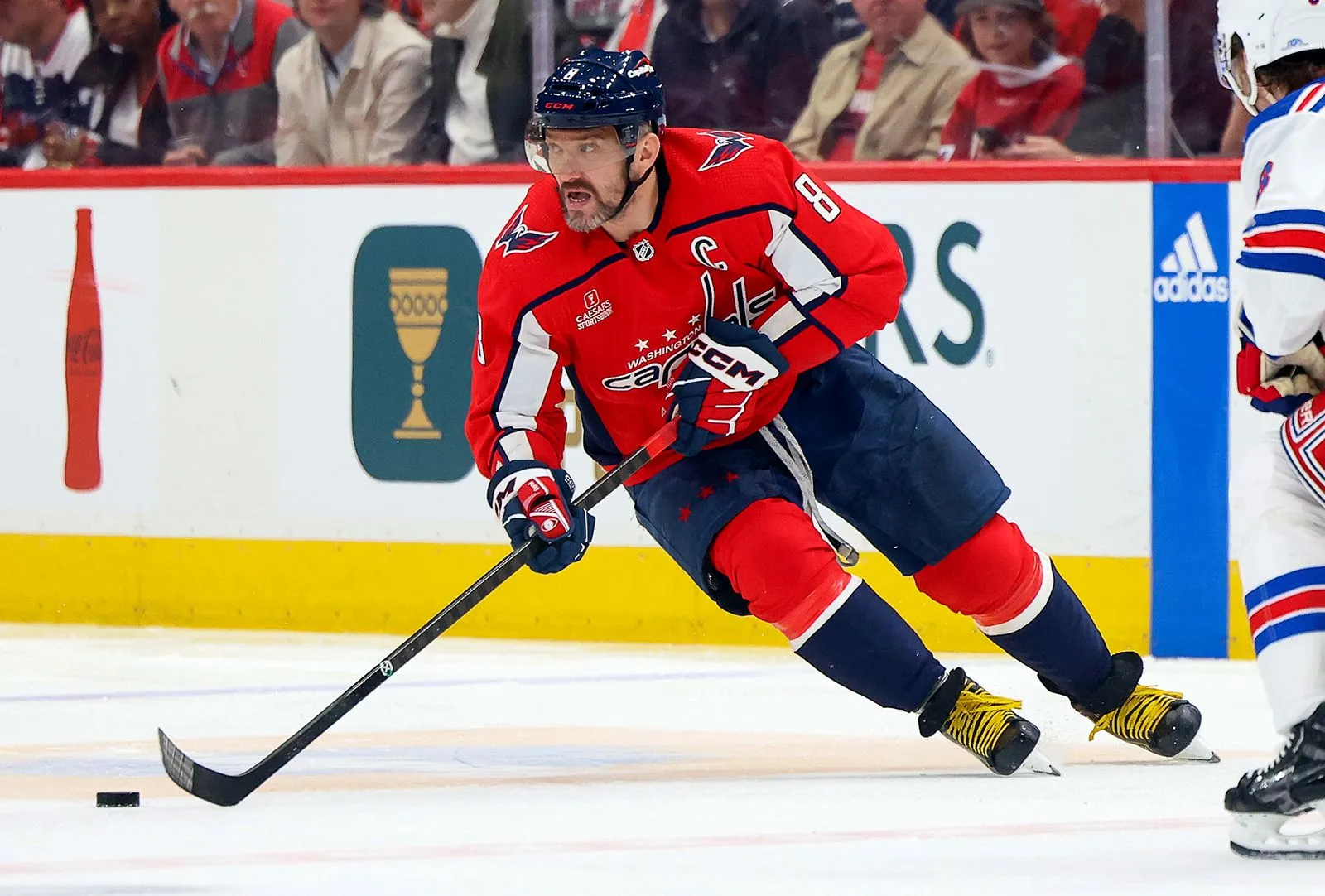
Ovechkin’s late-season surge defies the odds
Ovechkin’s scoring burst came at a critical time for the Capitals, who had wobbled after trading key pieces. His goals injected confidence into the locker room, with Carbery saying, “If O scores, we’re winning this hockey game.”[1] The 40-year-old has reached 31 goals this season, marking his 20th 30-goal campaign—a record.[3]
This performance underscores why fans are paying premium prices for tickets. The Capitals-Penguins game averages $310 per ticket on Vivid Seats, the third-highest for a Caps home game since 2007. Ovechkin himself remains noncommittal, telling Monumental Sports he’ll decide this summer.[2]
His passion shines through, as he told ESPN in October: “I still have game. I still have passion.” The numbers back it up, but the calendar looms large.[1]
Even as the team fades, Ovechkin’s pulse keeps the group believing. It’s a testament to his enduring impact after 21 NHL seasons.
The secret to Ovechkin’s remarkable longevity
Ovechkin’s durability stands out—he’s missed less than 5% of his 1,570 career games due to injury. While NHL teams obsess over sleep and nutrition protocols, he sticks to “old generation” habits.
Game-day rituals are legendary. Wilson describes the “Ovi station” of Mamma Lucia sauces and perfectly toasted garlic bread, complete with Coca-Cola in his water bottle on the bench. “It was my trainer from Russia who said people who run marathons drink Coke for energy,” Ovechkin explains.[1]
Travel days include Subway runs and Flamin’ Hot Cheetos, plus postgame beers. “Everybody’s different,” he says. Modern regimens don’t tempt him—what works, stays.
But it’s not just junk food. A Russian trainer named Pavel joins for track work and late-night powerlifting sessions. Wilson marvels at his strength: “One of the strongest, most raw power human beings I’ve ever met.”
- Daily Coke sips: For marathon-like energy.
- Subway and Cheetos: Pre-game fuel on the road.
- Two-a-days: Extra weight room blasts after practice.
- Sauces spectacle: Custom Mamma Lucia setup.
This blend keeps him elite at 40. For more on his routines, check this ESPN feature.
Team retooling shakes the Capitals’ core
The Capitals’ push to retool hit hard with trades like Nic Dowd to Vegas and, most painfully, John Carlson to Anaheim after 17 years. Ovechkin called it “the toughest day in my career, talking about personal-wise.”[1]
Carlson, the franchise’s best defenseman, fetched a first-round pick. Prospects like Cole Hutson and Ilya Protas offer hope, but the moves signal a youth movement.
Ovechkin’s role has adapted too. Previously sheltered with offensive-zone starts, he’s now facing defensive draws amid necessity. Carbery notes the balance: “Give him some D-zone starts and spread it out.”
GM Chris Patrick plans talks with Ovechkin on his future fit. The captain’s versatility—he even tried right wing early—shows his team-first mentality.
Despite the pain, Ovechkin focuses forward. The influx of young talent could factor into his summer call. See NHL.com on the Capitals’ retool.[2]
Weighing health, family, and one more Cup run
Ovechkin’s decision boils down to two questions: body feel and winning chances. Health tops the list, with sons Sergei (7) and Ilya (5) in mind. “I don’t want to play hockey and then when I’m retired, I can’t play soccer with my kids,” he says.
At 41 in September, long-term mobility matters. Yet his body holds up, thanks to that regimen.
Winning remains the dream. His lone Stanley Cup came in year 13; 15 playoff trips yielded just one Final. Parity makes it tough.
This season’s trades dimmed contention hopes, but Ovechkin’s fire persists. Confidants—wife, mother, agents—advise patience.
He’s swapped gear with rivals like Anze Kopitar and Evgeni Malkin for a Moscow museum, not retirement signals. A Crosby photo op Sunday adds “just in case” flavor.
“Sooner or later, it’s going to happen,” he reflects. “You have to find the right place and right time.”
Building a lasting legacy in Washington
Ovechkin transformed D.C. hockey—youth participation up 187% since his rookie year. Charitable work with children’s hospitals earns quiet praise.
On-ice, he’s the goal king, passing Gretzky last season. Fans cherish every shift.
No farewell tour hints from his circle, despite jersey swaps. He’s present, enjoying the unknown.
Ticket surges show the love. His adaptability keeps him vital.
As playoffs near, Ovechkin’s story captivates. What comes next?
Ovechkin’s summer choice will shape the Capitals and NHL. Whether returning for No. 22 or stepping away, his legend is secure. At 31 goals and counting, he’s still the pulse—proving age is just a number when passion drives you.[1] Fans await word, but for now, savor The Great 8.
Frequently Asked Questions

Par Mike Jonderson
Mike Jonderson is a passionate hockey analyst and expert in advanced NHL statistics. A former college player and mathematics graduate, he combines his understanding of the game with technical expertise to develop innovative predictive models and contribute to the evolution of modern hockey analytics.