





The Kypreos Auston Matthews trade theory: Why a once-unthinkable idea is gaining momentum
Nick Kypreos has never been afraid to stir the pot. The former NHL player turned Sportsnet analyst built a reputation on bold takes that often border on provocative. But when he recently suggested the Toronto Maple Leafs might need to explore trading Auston Matthews, even his most loyal listeners did a double-take. The concept sounds absurd on its surface—trading a generational goal-scorer, the face of the franchise, and a player who just signed a four-year, $53 million contract extension in 2023.
Yet here we are, dissecting a theory that seemed impossible just months ago. Kypreos’ argument isn’t born from click-chasing or shock value. It’s rooted in a growing pattern of injuries, declining playoff odds, and a ticking contractual clock that could pressure both player and organization into uncomfortable territory. As the 2025-26 season unfolds with Matthews already sidelined multiple times, what once felt like pure speculation now demands serious examination.
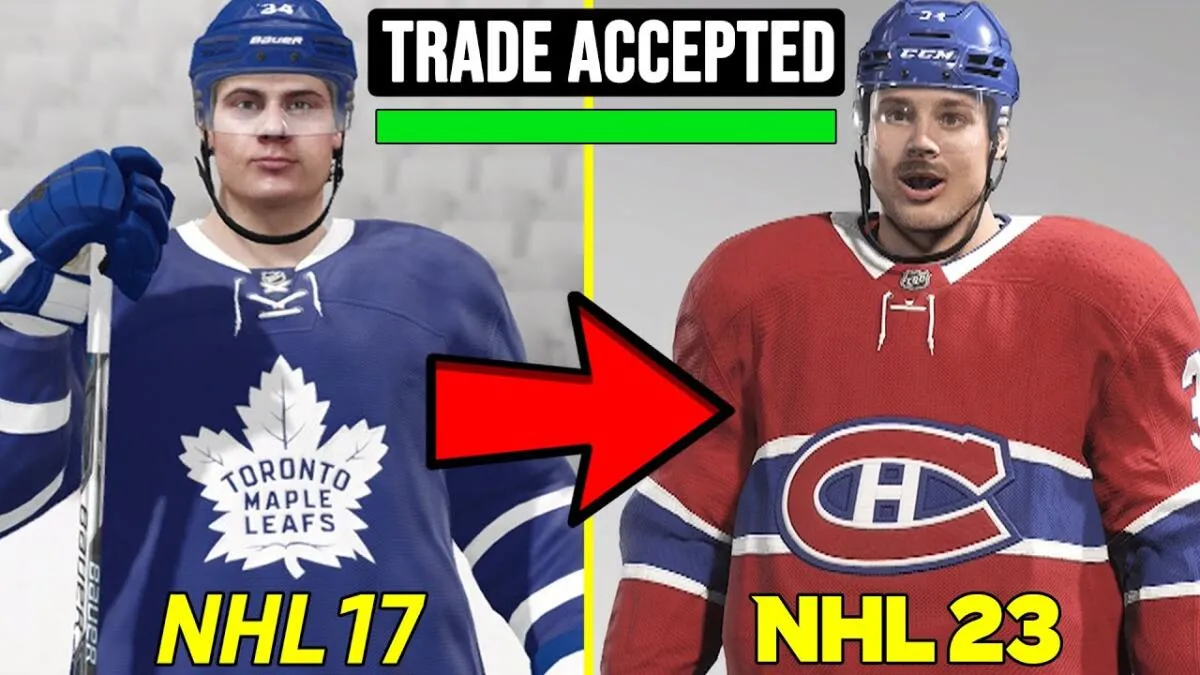
The Kypreos Auston Matthews trade theory explained
The core argument from the Kyper and Bourne show
During a recent episode of the Kyper and Bourne Show, Kypreos laid out his case with uncharacteristic restraint. “Availability now and moving forward is something [the Leafs] might have to address,” he stated matter-of-factly, acknowledging the elephant in the room. The core of his theory rests on a simple premise: the Maple Leafs cannot win if their highest-paid star cannot stay on the ice.
Matthews missed 15 games last season, finishing with 67 appearances—the lowest total since his rookie year. The 2025-26 campaign has started with similar concerns, as muscle-related injuries kept him out for four consecutive games in November despite practicing multiple days in a row. This pattern of uncertainty, Kypreos argues, erodes the foundation of a team built around its core four forwards.
The analyst emphasized that this isn’t about Matthews’ talent when healthy—he remains among the NHL’s elite scorers. The problem is predictability. Championship teams require reliability from their cornerstone players, and the Maple Leafs face a season where every point matters. With playoff odds hovering around 11 percent according to MoneyPuck, Toronto cannot afford to gamble on whether their captain will be available for crucial stretches.
Injury history that can’t be ignored
Matthews’ current ailment follows a concerning trajectory of muscle-related issues that have plagued him for several seasons. While team officials and reporters insist each injury is isolated and unrelated to previous problems, the frequency tells a different story. The organization remains tight-lipped about specifics, with Matthews refusing to discuss his health publicly and medical updates providing little clarity.
This lack of transparency creates a vacuum of uncertainty. When a franchise player misses significant time without clear explanations, whispers become conversations and conversations become concerns. Kypreos pointed to this communication gap as a red flag, suggesting that if the Leafs’ medical staff cannot pinpoint and prevent these recurring issues, management must question long-term durability.
The situation becomes more pressing when considering Matthews’ timeline. At 27 years old, he should be entering his prime physical years. Instead, his body appears to be breaking down with increasing regularity. For a team that invested $13.25 million annually in his services, this represents a catastrophic risk to their championship window.
Contract dynamics and the ticking clock
The extension eligibility that changes everything
Perhaps the most compelling element of Kypreos’ theory involves the contractual chess match looming on the horizon. Matthews becomes eligible to sign another extension as early as next season, creating a two-year countdown to unrestricted free agency. This ticking clock forces both parties into difficult calculations.
If the Maple Leafs harbor doubts about Matthews’ ability to stay healthy, they face a brutal decision: commit massive long-term money to an uncertain asset, or explore trade options while his value remains peak. Trading him now, with two full seasons remaining on his deal, maximizes return potential. Waiting until next year, when he’s just one season from free agency, dramatically weakens Toronto’s leverage.
Kypreos noted that this dynamic works both ways. If Toronto slides into a rebuild scenario after missing the playoffs, Matthews himself might prefer a fresh start with a contender rather than wasting his prime years on a retooling team. The player who once professed loyalty to the Maple Leafs crest could view a trade as mutual liberation.
The salary cap and roster construction nightmare
The Matthews contract represents 15.8 percent of Toronto’s salary cap—a massive allocation for any single player. When that player misses 15-20 games annually and enters the postseason compromised, the math stops working. The Leafs have built their roster around the assumption that Matthews, Mitch Marner, William Nylander, and John Tavares would drive success. With Marner also sidelined and Tavares aging, that blueprint is crumbling.
Trading Matthews wouldn’t just address the availability issue; it would fundamentally reset Toronto’s financial flexibility. The return package would likely include multiple roster players, prospects, and draft picks, allowing the organization to diversify its risk and build a more balanced squad. Kypreos argued that this redistribution of assets might actually accelerate a retool rather than signal surrender.
The analyst’s math is cold but logical. A team with 11 percent playoff odds cannot justify allocating nearly one-sixth of its cap space to a player who might not be available when games matter most. The opportunity cost of standing pat could be watching other contending teams improve while Toronto flounders with an expensive, inactive superstar.
Why the Kypreos Auston Matthews trade theory resonates now
The perfect storm of circumstances
Several factors have converged to make Kypreos’ theory feel less insane than it would have last season. First, the Maple Leafs sit outside the playoff picture in late November—a historically difficult hole to climb from. Second, they’re missing both Matthews and Marner simultaneously, exposing the roster’s lack of depth. Third, the Atlantic Division has grown more competitive, with teams like Buffalo and Ottawa improving while traditional powers like Tampa Bay and Boston remain threats.
This confluence of negatives creates urgency. In previous years, Toronto could weather Matthews’ absences because the team remained comfortably in contention. Now, every missed game feels like a potential season-killer. Kypreos correctly identified that desperation changes organizational calculus. Moves considered unthinkable in stable times become necessary when survival is at stake.
The media landscape has shifted too. Where once discussing a Matthews trade would be career suicide for any hockey analyst, the conversation now appears across multiple platforms simultaneously. The theory has moved from whispered speculation to open debate, suggesting the market is preparing itself for anything.
Fan sentiment and the breaking point
Maple Leafs fans, historically defensive about their stars, show signs of fatigue. Social media reaction to Kypreos’ comments revealed a surprising split—not the unified outrage one might expect. While many still consider Matthews untouchable, a growing contingent acknowledges the frustration of dedicating emotional energy to a player who cannot stay on the ice.
This shift matters. Professional sports franchises monitor fan sentiment closely, and when the base begins questioning the unthinkable, management receives permission to do the same. Kypreos didn’t create this sentiment; he vocalized what many were already thinking privately. The theory’s merit lies in its timing—it’s emerging when support for the status quo is weakest.
What a potential Auston Matthews trade could look like
Identifying realistic trade partners
If Toronto were to pursue this nuclear option, which teams could even afford the acquisition? The list is short but compelling. The Arizona Coyotes, Matthews’ hometown team, possess cap space and a deep prospect pool they’d gladly exchange for a superstar. The Utah Hockey Club, building a new identity in their market, could accelerate legitimacy by landing a franchise player. Western Conference powers like the Dallas Stars or Colorado Avalanche might gamble on Matthews putting them over the top.
The return would need to be astronomical. Think multiple first-round picks, a top-six forward in his prime, a high-end prospect, and perhaps a young roster defenseman. Anything less would be franchise malpractice. The Maple Leafs would essentially be hitting reset on their contention window, so the package must provide both immediate help and future security.
Timing and leverage considerations
The optimal trade window likely falls between the 2026 trade deadline and the 2026 draft. This gives Toronto one more postseason run to evaluate Matthews’ health and the team’s competitiveness. If results remain disappointing, they could maximize his value with a year and a half remaining on his contract.
Kypreos emphasized that waiting until Matthews reaches his final season would be disastrous. At that point, he’d hold a full no-movement clause and complete leverage. The Maple Leafs would either accept pennies on the dollar in trade or watch him walk for nothing in free agency. The ticking clock Kypreos identifies isn’t just about eligibility—it’s about maximizing return.
The organization’s best play might be subtle. Publicly commit to Matthews while privately gauging market interest. This dual-track approach maintains player relations while preparing for contingencies. If the team’s performance improves and Matthews stays healthy, the trade talk disappears. If not, they’re ready to act decisively.
Evaluating the merit of Kypreos’ controversial take
The case for taking the theory seriously
Kypreos’ track record deserves consideration. While known for bold statements, his insider connections often lend substance to his speculation. The injury pattern is undeniable—Matthews has missed significant time in three of the last four seasons. The contract timeline is factual. The playoff math is brutal but accurate. These objective facts support his central thesis.
Furthermore, the modern NHL shows no loyalty to franchise icons. Chicago traded Patrick Kane. Boston moved on from Patrice Bergeron. Los Angeles dealt Jonathan Quick. Each situation felt impossible until it happened. The salary cap era demands rational coldness, and the Maple Leafs have been burned before by waiting too long on aging assets.
The counterarguments that still hold weight
Despite Kypreos’ logic, massive obstacles remain. Matthews holds a no-movement clause, giving him veto power over any destination. His cultural significance to Toronto’s market transcends on-ice value—he’s the face of a billion-dollar franchise. Trading him would represent a PR catastrophe and potential revenue disaster.
Moreover, the return would never match his true value. Teams trading for superstars rarely surrender equal impact players. Toronto would exchange a known quantity for a collection of uncertain assets, hoping quantity trumps quality. That’s a dangerous bet when the known quantity is a 60-goal scorer.
The evolution of trade rumors around Matthews reflects this tension. What started as a whisper has become a roar, yet the actual probability remains low precisely because of these structural barriers.
The path forward for the Maple Leafs and their captain
The Kypreos Auston Matthews trade theory succeeds not because it’s likely to happen, but because it forces necessary conversations about risk management and franchise direction. Toronto cannot ignore the injury pattern or the contractual timeline. They must develop contingency plans, however uncomfortable.
The most probable outcome remains status quo—Matthews returns to health, the team surges into the playoffs, and this speculation becomes a footnote. But if the opposite occurs and Toronto spirals, Kypreos’ seemingly outrageous theory might become the only logical path forward. In that scenario, the Maple Leafs would face their most franchise-altering decision since the Mats Sundin era.
For now, the theory serves as both warning and litmus test. It measures fan patience, tests organizational resolve, and reminds everyone that in today’s NHL, no player is truly untouchable—not even the once-in-a-generation center who was supposed to deliver Toronto its first Stanley Cup in over half a century.
Frequently Asked Questions

Par Mike Jonderson
Mike Jonderson is a passionate hockey analyst and expert in advanced NHL statistics. A former college player and mathematics graduate, he combines his understanding of the game with technical expertise to develop innovative predictive models and contribute to the evolution of modern hockey analytics.