The 2026 NHL offseason is shaping up to be a pivotal period for both the Toronto Maple Leafs and the Minnesota Wild. With coaching vacancies, roster retooling, and salary cap considerations at the forefront, each team has distinct challenges and opportunities ahead. Reports from insiders highlight targeted approaches that could reshape their lineups and leadership structures.
General managers are already outlining strategies to address immediate needs. For the Maple Leafs, this includes evaluating defensive assets and exploring trade markets. The Wild, meanwhile, must navigate limited cap flexibility while filling multiple roster spots. These developments promise to keep fans engaged through the summer months.
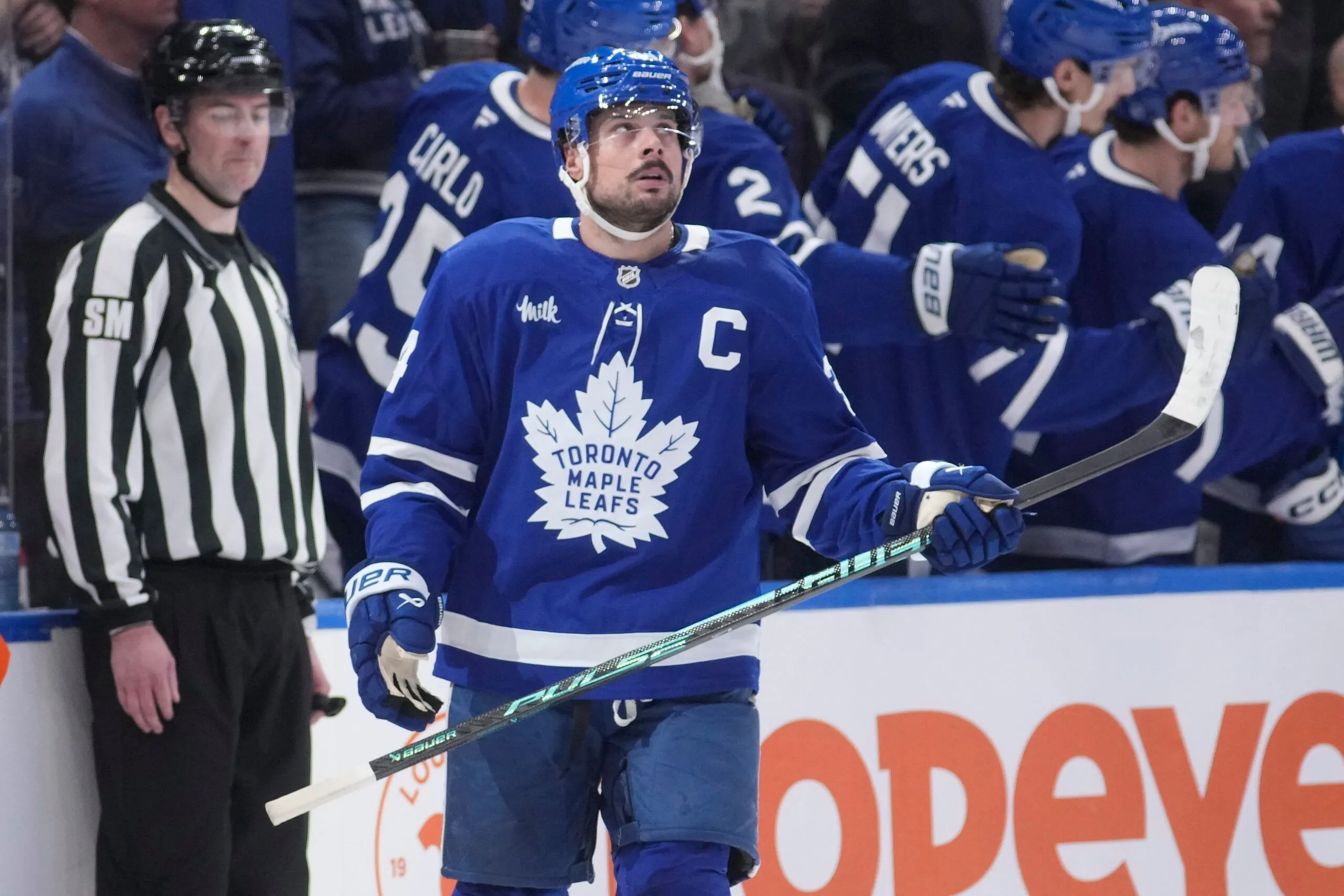
Coaching search underway for the toronto maple leafs
The Toronto Maple Leafs are actively considering several candidates to fill their head coaching vacancy. Among the names surfacing are Jay Woodcroft, Jay Leach, Jeff Halpern, and Manny Malhotra. Each brings a unique background that could align with the team’s goals of maximizing star talent and improving overall structure.
Jay Woodcroft stands out due to his experience working with elite players like Connor McDavid during his time in Edmonton. His player-first approach and success with power-play units have drawn attention from Toronto’s front office. Other options like Manny Malhotra emphasize development and defensive responsibility, potentially offering a balanced fit for the roster.
General manager John Chayka plans to meet with Auston Matthews soon to discuss the team’s direction. This meeting will help set the foundation before Chayka has until mid-July to demonstrate progress on the outlined plan. The emphasis remains on building around core pieces while addressing areas of weakness.
Rebuilding the blue line represents a major priority for the Maple Leafs. They intend to explore moving Morgan Rielly if he waives his no-movement clause and assess the market value of Brandon Carlo. These moves could create flexibility to acquire younger or more cost-effective defensemen.
Additional roster gaps include the need for a third-line center, a potential top-six forward, and a revamped fourth line. With approximately $24 million in cap space, excluding any allocation for Gavin McKenna around $2.5 million, the team has room to maneuver but faces a shallow free-agent pool. Names like Vincent Trocheck have already appeared in trade discussions this week.
Minnesota wild navigate tight cap and pending decisions
The Minnesota Wild enter the offseason with roughly $15.4 million in projected salary cap space and eight roster spots to fill. Their primary objective is securing a top-six center to bolster the forward group. Limited flexibility means they may need to clear space through trades or strategic signings.
Several players carry no-trade clauses that complicate potential moves. Ryan Hartman, Joel Eriksson Ek, and Jared Spurgeon each have 10-team protections, while Marcus Foligno and Jake Middleton hold 15-team clauses that convert to full no-moves on July 1. Jonas Brodin, Nico Sturm, and Yakov Trenin lack similar safeguards, opening more options for management.
Contract extensions remain a key talking point. Quinn Hughes could sign a three-year deal this summer or before his current agreement expires, aligning his timeline with brother Jack’s. Such a move would provide long-term stability on the blue line.
Restricted free agents Bobby Brink and Daemon Hunt require decisions, while an extensive list of unrestricted free agents includes Vladimir Tarasenko, Nick Foligno, Mats Zuccarello, Michael McCarron, Marcus Johansson, Robby Fabbri, Zach Bogosian, and Jeff Petry. Questions linger about whether Zuccarello would accept a reduced salary and role, or if McCarron could command $4-5 million on the open market.
Tarasenko served as a valuable mentor to Danila Yurov last season. Meanwhile, Bogosian might consider a league-minimum deal, but Fabbri and Petry appear unlikely to return. These choices will shape the Wild’s depth and leadership heading into the next campaign.
The team continues to monitor broader market opportunities while prioritizing internal development. With careful planning, they aim to strengthen their contention window despite the cap constraints.
What lies ahead for both clubs
These offseason maneuvers will define the trajectories for the Toronto Maple Leafs and Minnesota Wild in 2026. Success depends on smart trades, targeted signings, and clear leadership decisions that align with each organization’s vision. Fans can expect steady updates as the summer progresses.
Frequently Asked Questions

Par Mike Jonderson
Mike Jonderson is a passionate hockey analyst and expert in advanced NHL statistics. A former college player and mathematics graduate, he combines his understanding of the game with technical expertise to develop innovative predictive models and contribute to the evolution of modern hockey analytics.