











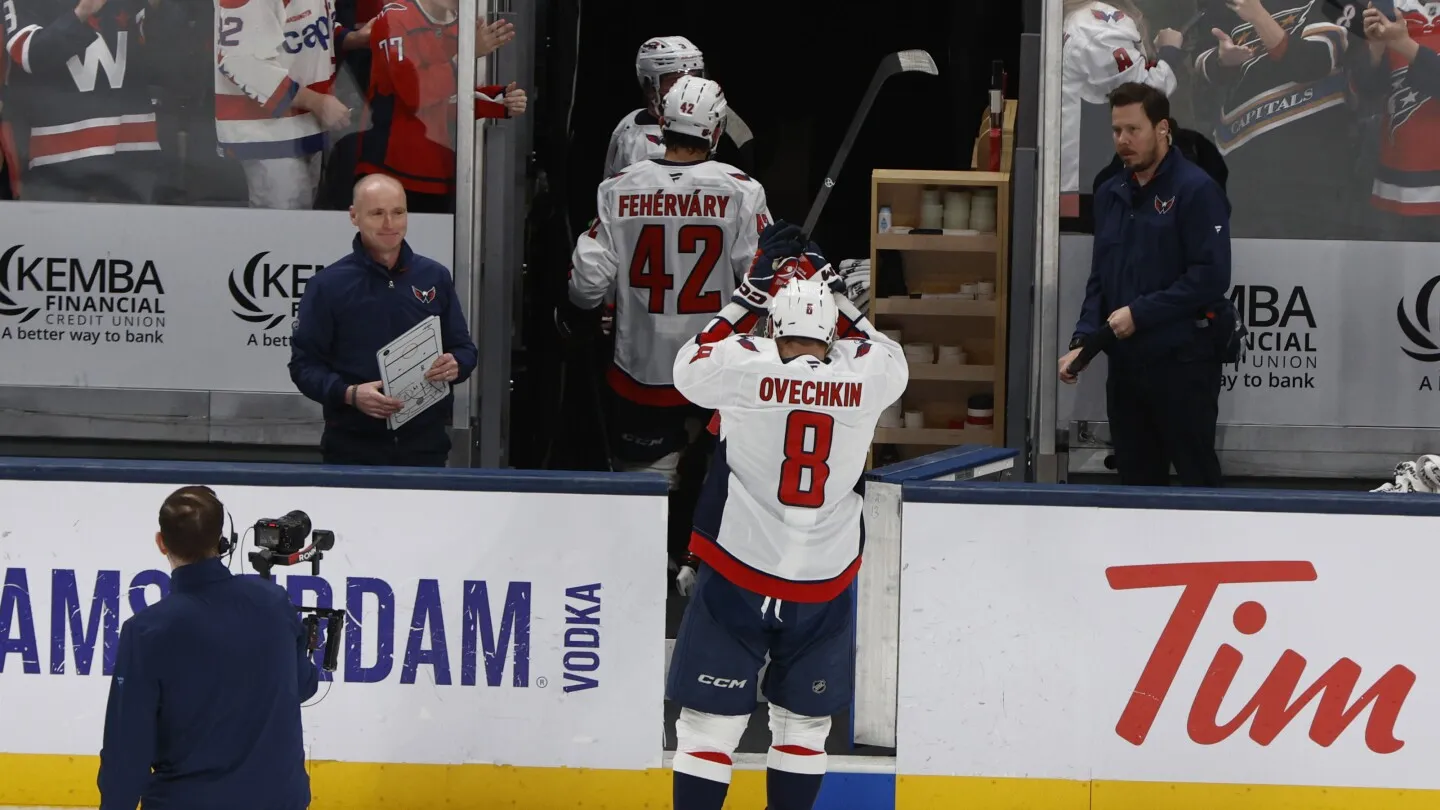
The Washington Capitals are navigating a pivotal offseason with Alex Ovechkin at the center of uncertainty. After the 2025-26 season, the team has prepared two distinct plans—one assuming the 40-year-old superstar returns for a 22nd NHL campaign, the other bracing for potential retirement.[1][2] General manager Chris Patrick emphasized flexibility, stating, “If he wants to stay, we’ll go one way. If he decides he wants to retire, we’ll go a different way.” This approach underscores the organization’s commitment to giving Ovechkin the time and space he needs.
Ovechkin, entering unrestricted free agency, has hinted at continuation. He recently expressed being “pretty sure” his season finale against Columbus wasn’t his last game.[3] Teammate TJ Oshie echoed optimism after a private talk, predicting a return.[4]
Capitals’ patient strategy for Ovechkin’s crossroads
Management is prioritizing support over pressure. Patrick and president of hockey operations Brian MacLellan plan meetings post-season, but only when Ovechkin is ready. This hands-off tactic respects the Russian icon’s legacy, including his pursuit of Wayne Gretzky’s goal record.
The Capitals’ playoff absence adds context. Despite fading hopes, focus shifted from contract talks to on-ice efforts, as noted in recent coverage.[2] Ovechkin dodged retirement farewells even in losses, like against Pittsburgh.
For deeper insight into the team’s readiness, check our post on Capitals ready if Alex Ovechkin decides to return or retire.
Ovechkin’s family input will factor heavily. He plans summer deliberations, consulting loved ones and brass. This mirrors past stars like Sidney Crosby, who weighed longevity carefully.
The franchise’s stability shines through. No rash moves until clarity emerges, preserving cap space either way.
Ovechkin’s enduring impact and 2025-26 highlights
Ovechkin tallied milestones amid scoring. He notched his 900th career goal against St. Louis, passing Joe Sakic for 10th in all-time points. These feats fuel return speculation.
The Capitals mixed results: wins like 7-4 over Edmonton and 5-1 versus Columbus, powered by Ovechkin’s surges. Rookie Justin Sourdif’s hat trick aided too.
Yet challenges persisted. October scoring woes and late playoff fade tested resilience. Ovechkin stayed productive, defying age.
Our analysis in Alex Ovechkin retirement decision after Capitals season breaks down his exit interview vibes.
Teammates rally behind him. Oshie’s belief stems from Columbus chats, signaling locker room buy-in.
Scenarios: Return bolsters contention, retirement reshapes roster
A Ovechkin extension could ignite playoffs. His one-timer threat pairs with youth, targeting Cup contention. He seeks a two-year deal, per insiders.
Without him, pivots emerge. Emerging forwards like those in recent wins step up. Cap space frees for center upgrades, akin to Winnipeg’s wishlist.
- Pros of return: Leadership, goals (chasing 895+), veteran presence.
- Cons: Age 40, injury risk, cap hit.
- Retirement upsides: Youth infusion, flexibility.
- Downsides: Lost offense, emotional void.
Details on NHL.com outline patience.[1]
Fans brace for either. DC’s passion, seen in milestone nights, won’t wane.
Broader NHL ripples from Caps’ dilemma
Ovechkin’s choice echoes league-wide. Florida Panthers eye Sergei Bobrovsky’s future amid poor stats (3.07 GAA, .877 SV%). Trade whispers linger.
Winnipeg Jets hunt centers: RFAs like Trevor Zegras, vets like Ryan O’Reilly, or buy-lows like Jesperi Kotkaniemi.
More at ESPN’s Capitals update.[2]
These moves shape 2026-27.
As summer nears, Ovechkin’s call looms largest for Washington. A return keeps the chase alive; retirement cements legend status. Either path, the Capitals adapt, honoring “The Great 8.” Fans await his word, with history in balance.
Frequently Asked Questions

Par Mike Jonderson
Mike Jonderson is a passionate hockey analyst and expert in advanced NHL statistics. A former college player and mathematics graduate, he combines his understanding of the game with technical expertise to develop innovative predictive models and contribute to the evolution of modern hockey analytics.