


The Washington Capitals head to KeyBank Center on November 1, 2025, looking to snap a two-game skid as they face the Buffalo Sabres in an intriguing Metropolitan-Atlantic Division crossover. Both teams enter this matchup dealing with inconsistent play and mounting injury concerns that have forced significant lineup adjustments. The Capitals, sitting at 6-5-0, have seen their defensive dominance tested recently, while the Sabres at 4-4-3 continue searching for consistency after consecutive overtime defeats.
This Saturday evening clash features two teams desperate to regain momentum as the season reaches its first quarter mark. With puck drop scheduled for 7:00 PM ET, both coaching staffs have made strategic lineup decisions that could prove pivotal in determining which squad emerges victorious. The projected lineups reveal intriguing combinations and potential matchup advantages that should make for compelling hockey.
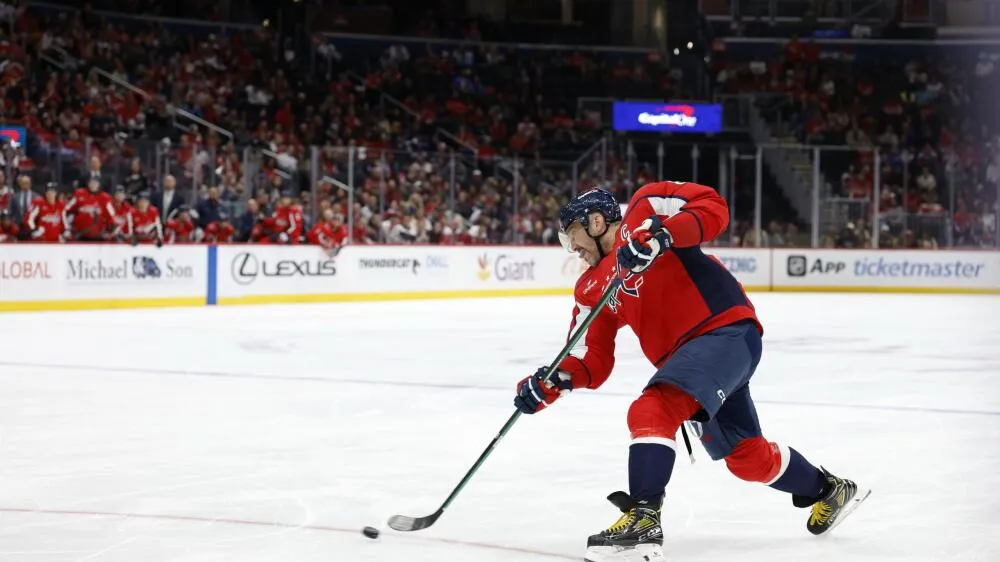
Washington Capitals forward lines for November 1, 2025 matchup
The Capitals’ top line features the legendary Alex Ovechkin flanking center Connor McMichael alongside rookie Ryan Leonard, creating an intriguing blend of experience and youth. This combination has shown promise early in the season, with McMichael’s playmaking ability complementing Ovechkin’s goal-scoring prowess. Leonard, the 2023 first-round pick, continues to earn Spencer Carbery’s trust with his mature two-way game and offensive instincts.
The second line sees Aliaksei Protas centering Pierre-Luc Dubois and Tom Wilson, though Dubois’ availability remains uncertain after leaving Friday’s game against the Islanders in the first period. Wilson leads the team with 11 points through 11 games, establishing himself as Washington’s most consistent offensive threat. If Dubois cannot play, the Capitals may need to recall a player from Hershey of the American Hockey League or shuffle their lineup significantly.
Anthony Beauvillier, Hendrix Lapierre, and Justin Sourdif comprise the third unit, providing depth scoring and energy. This line has been tasked with creating offensive opportunities against opponents’ middle defensive pairings while maintaining defensive responsibility. Sourdif’s recent call-up has added speed and forechecking intensity to the bottom six.
The fourth line features Brandon Duhaime, Nic Dowd, and Sonny Milano in what projects as a grinding unit capable of wearing down Buffalo’s defense. Dowd’s faceoff prowess and defensive awareness anchor this group, while Milano provides occasional offensive spark. This depth has been crucial for Washington’s early-season success, as recent projected lineup performances have shown the importance of balanced scoring throughout the roster.
Capitals defensive pairings and goaltending situation against Buffalo
Martin Fehervary and John Carlson form Washington’s top defensive pairing, combining Fehervary’s physicality with Carlson’s offensive instincts and power-play quarterbacking. Carlson remains the anchor of the Capitals’ blue line, though his defensive play has drawn scrutiny at times this season. Fehervary’s skating ability and gap control make him an ideal partner for the veteran.
The second pairing features Jakob Chychrun alongside Matt Roy, creating one of the league’s more underrated shutdown duos. Chychrun’s transition game and Roy’s steady defensive presence provide balance and reliability. This pairing will likely draw the assignment of containing Buffalo’s top offensive threats, particularly Tage Thompson and his linemates.
Declan Chisholm and Trevor van Riemsdyk round out the defensive corps on the third pairing. With Rasmus Sandin sidelined due to an upper-body injury, this group must provide stable minutes and avoid costly mistakes. Van Riemsdyk’s veteran presence helps guide the younger Chisholm through challenging matchups.
Charlie Lindgren is projected to start in goal after Logan Thompson presumably played against the Islanders on Friday. Lindgren has been solid for Washington this season, though the team’s recent defensive breakdowns have put additional pressure on their goaltending tandem. His ability to make timely saves will be crucial against a Sabres team that features dangerous offensive weapons.
Buffalo Sabres forward combinations for the Capitals clash
The Sabres’ top line sees Jason Zucker, Tage Thompson, and Jordan Greenway united in a physically imposing combination. Thompson, tied for the team lead with four goals, remains Buffalo’s most dangerous offensive weapon. His 6-foot-7 frame and elite shooting ability create matchup nightmares for opposing defenses. Zucker brings playoff experience and a shoot-first mentality, while Greenway’s power forward style adds another dimension.
Josh Doan, Ryan McLeod, and Alex Tuch comprise the second unit in what looks like a speed-oriented line. Tuch’s versatility and two-way game make him one of Buffalo’s most valuable forwards, capable of driving offense while maintaining defensive responsibility. McLeod’s skating ability creates transition opportunities, while Doan has impressed with his four-goal start to the season.
The third line features Isak Rosen, Jiri Kulich, and Jack Quinn, showcasing Buffalo’s young talent pipeline. Rosen was recalled from Rochester on Friday after Zach Benson was placed on injured reserve with a lower-body injury suffered against Boston. Benson’s absence removes eight assists and the team’s leading setup man from the lineup, forcing head coach Lindy Ruff to adjust his offensive deployments. This youth-heavy line must provide secondary scoring if the Sabres hope to snap their losing streak.
Josh Dunne, Peyton Krebs, and Beck Malenstyn form the fourth line, bringing energy and defensive responsibility. Krebs’ speed and Malenstyn’s forechecking pressure should keep Washington’s defense honest throughout the night. This unit must capitalize on any opportunities created through sustained offensive zone time.
Sabres defensive structure and netminding plans
Mattias Samuelsson and Rasmus Dahlin anchor Buffalo’s blue line as the top pairing. Dahlin’s offensive creativity and playmaking from the back end make him one of the NHL’s most dynamic defensemen, though defensive consistency remains a work in progress. Samuelsson provides physicality and defensive stability, helping cover for Dahlin’s occasional aggressive pinches.
Owen Power and Conor Timmins form the second pairing, with Power’s smooth skating and puck-moving ability complementing Timmins’ steady presence. Power, the former first-overall pick, continues developing into the cornerstone defender Buffalo envisioned. His ability to exit the defensive zone cleanly and join the rush creates additional offensive threats.
Bowen Byram and Michael Kesselring complete the defensive corps on the third pairing. Byram’s mobility and offensive instincts provide depth scoring potential, while Kesselring’s size and reach help defend against forechecking pressure. With Jacob Bryson scratched, this group must deliver reliable minutes.
Ukko-Pekka Luukkonen is projected to start in goal for Buffalo, with Alex Lyon serving as backup. Luukkonen has shown flashes of brilliance but struggled with consistency, particularly during the Sabres’ recent overtime defeats. His performance will be critical, as Buffalo cannot afford to fall further behind in the Atlantic Division standings. The Sabres’ third-ranked power play, operating at 89.5 percent according to recent statistics, could provide the offensive spark needed to overcome Washington’s stingy defense.
Key injury absences impacting the Capitals vs Sabres projected lineup November 1 2025
Washington enters this contest dealing with several significant injuries that have forced roster adjustments. Dylan Strome’s absence due to a lower-body ailment removes the Capitals’ second-line center and one of their most reliable offensive producers. His potential return was mentioned as a possibility, though coach Spencer Carbery indicated the team was prepared to function without him.
Pierre-Luc Dubois’ status remains the most pressing concern after he departed Friday’s game in the first period. The center’s health will be crucial for Washington’s lineup structure, as his absence would necessitate significant reshuffling throughout the forward group. Rasmus Sandin’s upper-body injury continues keeping the defenseman sidelined, limiting Washington’s defensive depth. Ethen Frank remains on injured reserve with an upper-body issue.
Buffalo’s injury list proves equally concerning, with Zach Benson’s placement on injured reserve Friday creating a major hole in the lineup. Benson’s team-leading eight assists represented a significant portion of Buffalo’s offensive production, and his dynamic playmaking will be sorely missed. Justin Danforth, Tyson Kozak, and Colten Ellis all remain on injured reserve with various ailments.
The injury to Josh Norris adds another complication, though the center has been out longer term. These absences have forced both coaching staffs to dig deeper into their organizational depth, creating opportunities for younger players while testing each team’s overall roster construction. Similar to how injuries affected earlier matchups this season, these lineup challenges could prove decisive in determining the game’s outcome.
Strategic matchups and special teams considerations
Washington’s defensive prowess stands out as their defining characteristic through the season’s first month, leading the NHL in goals against per game. This defensive structure, built on aggressive forecheck pressure and disciplined gap control, will face a stern test against Buffalo’s offensive weapons. The Capitals must limit odd-man rushes and maintain their defensive zone coverage to neutralize Thompson and the Sabres’ skill players.
Buffalo’s power play excellence presents the game’s most significant special teams advantage. Operating at nearly 90 percent efficiency ranks third in the league and could prove decisive if Washington takes undisciplined penalties. The Sabres’ man-advantage units feature multiple shooting threats and excellent puck movement, creating constant scoring chances. Luukkonen will need strong support from his penalty killers if Buffalo hopes to capitalize on this edge.
The coaching matchup between Spencer Carbery and Lindy Ruff adds another compelling layer. Carbery’s first season as Washington’s head coach has featured structured defensive play and balanced scoring contributions, while Ruff’s experience and offensive systems emphasize puck possession and transition speed. How each coach adjusts to the opponent’s tactical approach could determine which team emerges victorious.
Faceoff battles will prove crucial, particularly in defensive zone draws where Washington’s Nic Dowd typically excels. Controlling puck possession from the opening draw can dictate momentum and create offensive opportunities while limiting opponents’ chances. Buffalo must win key faceoffs to establish offensive zone time and generate power-play opportunities.
The November 1, 2025 showdown between Washington and Buffalo features two teams at critical junctures in their seasons. Both squads need victories to establish momentum and begin climbing their respective division standings. The Capitals’ defensive identity faces a significant challenge against Buffalo’s potent offensive weapons, while the Sabres must solve Washington’s structured defensive system to snap their losing streak. Injury concerns on both rosters add uncertainty to the projected lineups, creating opportunities for depth players to make impacts.
With detailed lineup information available from the NHL and additional preview coverage from Inside The Rink, fans can follow every line combination and strategic adjustment. This Metropolitan-Atlantic crossover promises competitive hockey as both organizations seek consistency heading into November. Whichever team better manages injuries, executes special teams, and maintains defensive discipline should emerge victorious in Buffalo on Saturday night.

Par Mike Jonderson
Mike Jonderson is a passionate hockey analyst and expert in advanced NHL statistics. A former college player and mathematics graduate, he combines his understanding of the game with technical expertise to develop innovative predictive models and contribute to the evolution of modern hockey analytics.