

Over seven seasons from 2019 to 2026 the Detroit Red Wings posted the NHL’s fifth-worst points percentage with zero playoff appearances under Steve Yzerman.
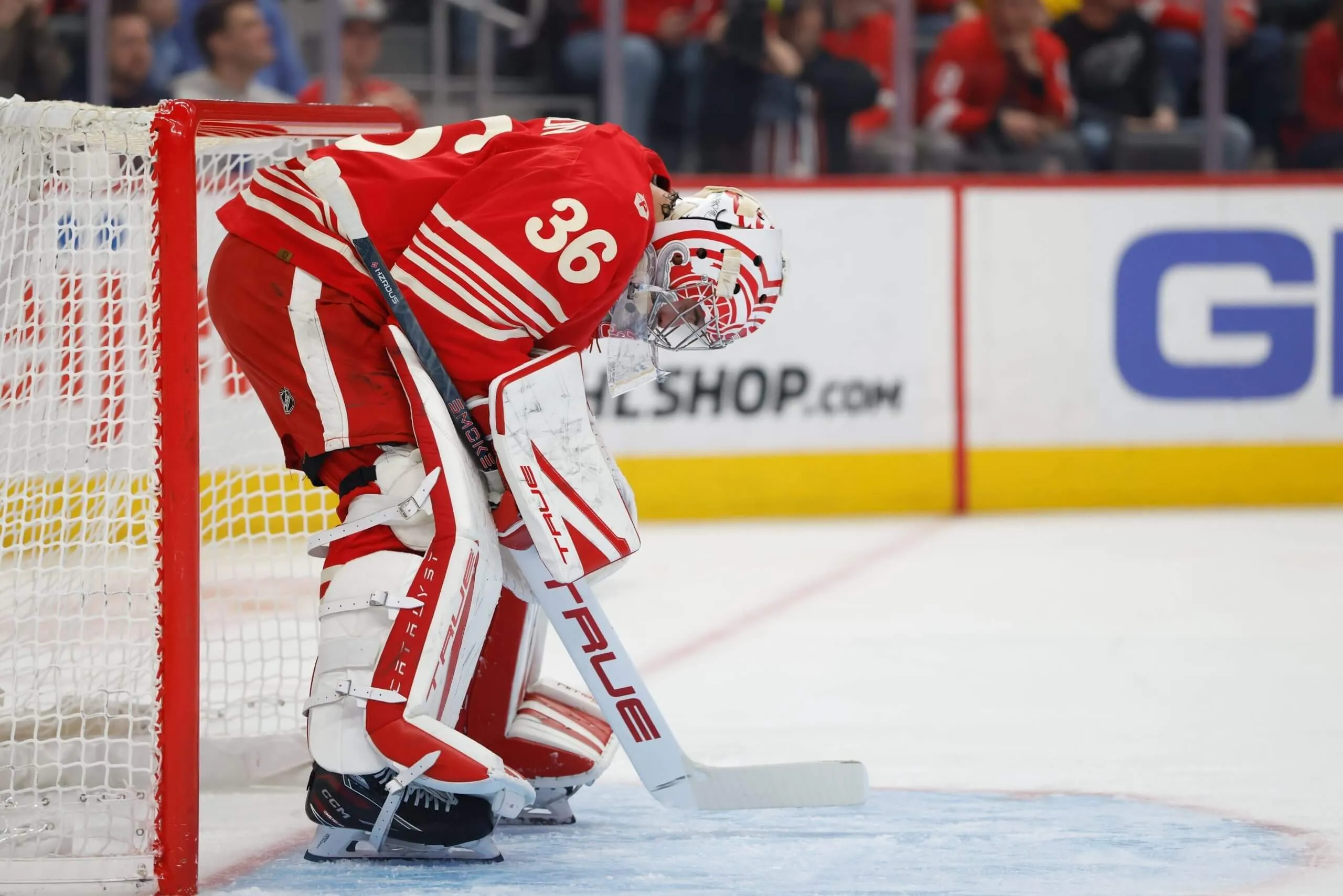
The accumulation of losing seasons
Detroit finished behind Columbus, Arizona/Utah and Seattle in the standings across the period despite those clubs facing parallel rebuilding timelines. Yzerman’s group generated only two franchise-changing prospects in Moritz Seider and Lucas Raymond. The points percentage ranking placed the club fifth from the bottom league-wide. Three head coaches rotated through the bench in a four-year window. Late-season collapses repeated under each coach.
The organization signed or acquired veterans including Alex DeBrincat, Andrew Copp, Mason Appleton and Justin Faulk on short-term contracts explicitly to chase a playoff berth. Those additions produced no postseason qualification. Bad lottery luck contributed to the absence of high draft capital, yet the on-ice results remained unchanged. Perennial non-contenders consistently finished ahead of Detroit.
Larkin’s demand forces the pivot
Dylan Larkin requested a trade after five years remained on his contract. The captain, a Detroit-area native, grew up supporting the franchise Yzerman once starred for as a player. Larkin limited his list to four teams and sought roster players rather than additional prospects. No qualifying offers arrived from those clubs. Helene St. James reported that the former general manager prioritized immediate contributors over future assets.
Larkin had already experienced three coaching changes and repeated late collapses. His assessment that the roster lacked sufficient elite talent aligned with the franchise’s inability to reach the playoffs since 2016. The decision to build around a player better suited as a second-line center on a contending team accelerated the breakdown. Yzerman received a face-saving transition rather than outright dismissal because of his playing legacy.
The successor’s immediate tasks
The new general manager must first resolve the Larkin situation before September 2026 training camp opens. Failure to secure roster players will likely extend the playoff drought into its teenage years. Secondary moves will test the market for DeBrincat, Copp, Appleton and Faulk, each entering the final year of their contracts. Retaining those veterans without a realistic contention window risks further stagnation.
The approach of adding stop-gap talent to chase a single playoff appearance produced the opposite outcome. Larkin recognized the pattern earlier than the front office and exercised his contractual right. The resulting roster reset begins with futures likely to arrive in any Larkin trade.
The 10-year playoff drought stretches into its teenage years and even more difficult decisions about who stays and who goes from the roster in the interim.
Frequently Asked Questions
Sources

Par Mike Jonderson
Mike Jonderson is a passionate hockey analyst and expert in advanced NHL statistics. A former college player and mathematics graduate, he combines his understanding of the game with technical expertise to develop innovative predictive models and contribute to the evolution of modern hockey analytics.