


Sidney Crosby’s helmet-cam exchange highlighted a 23-7 shot disparity alongside a 2-1 penalty count in Canada’s dominant game.
The Tkachuk Embellishment Ruling
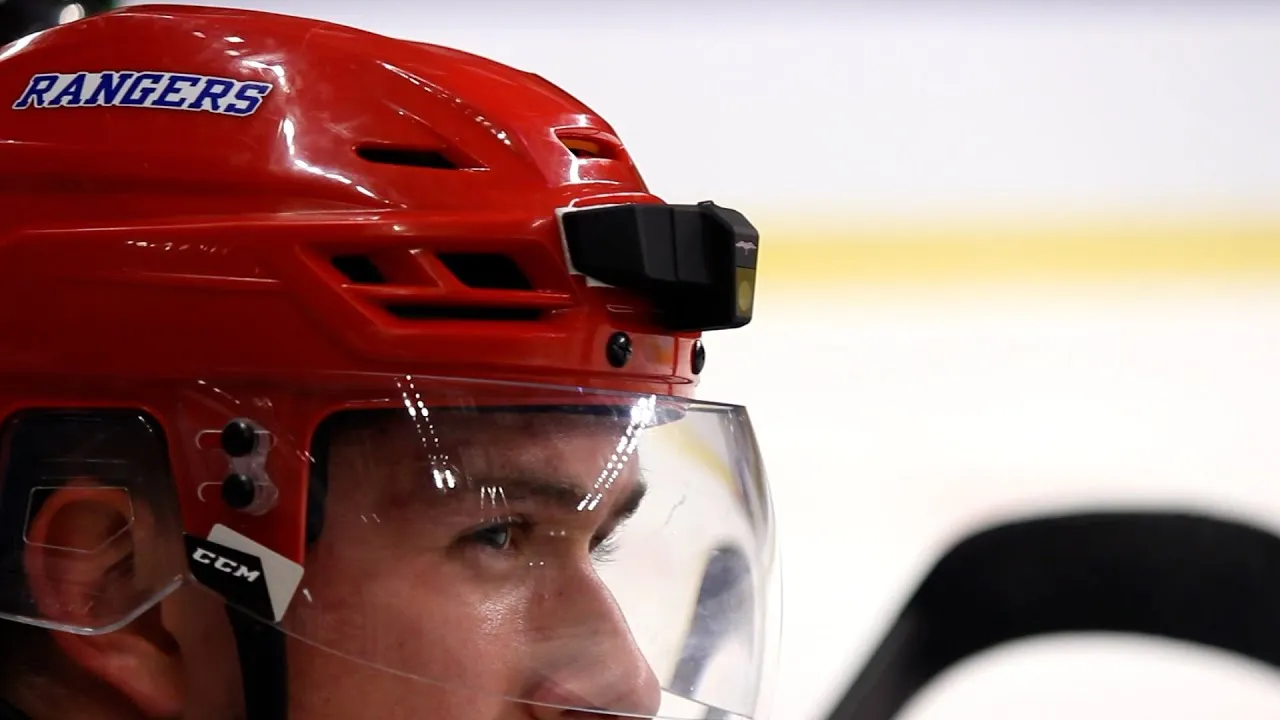
Matthew Tkachuk fell dramatically during the Canada-USA quarterfinal, prompting the referee’s helmet camera to record the official stating the player was better than the dive attempt. The call stood without a tripping penalty, as the footage showed no contact sufficient for the infraction. This single decision contrasted Tkachuk’s 2025 World Championship performance where he drew three power plays in similar situations. The camera angle confirmed the referee’s vantage point from inside the helmet, eliminating post-whistle disputes that plagued prior tournaments. Canada advanced after the quarterfinal victory on May 24, 2026.
The incident occurred with 8:42 remaining in the second period, according to game logs. Referees reviewed the play internally but upheld the original call based on the live camera feed. Tkachuk received no additional discipline, preserving his tournament total of four points through the quarterfinals. The technology directly influenced the outcome by providing immediate visual evidence unavailable in 2025.
Puck Retrieval Complications in Sweden-Denmark
Viggo Bjorck scored his first World Championship goal against Denmark in round-robin play, yet the tracked puck could not remain on the Swedish bench. Captain Oliver Ekman-Larsson requested the milestone puck from the referee, who explained the tracker requirement forced removal after the final whistle. A second referee supplied a replacement puck to maintain game flow. The exchange involved the penalty-box official and Sweden’s trainer before the authentic puck reached the dressing room. Sweden defeated Denmark 4-1 on May 15, 2026.
The helmet camera captured the full sequence lasting 47 seconds between whistles. Bjorck’s goal came at 11:19 of the third period, his only tally of the tournament to that point. Ekman-Larsson’s intervention contrasted with simpler retrievals in non-tracked puck eras, highlighting the 2026 rule change. The process delayed resumption by exactly one minute and 12 seconds.
Crosby’s Shot-and-Penalty Protest
Sidney Crosby approached the referee after a Canadian penalty in a game where shots stood at 23-7. He noted the imbalance of two Canadian penalties against one for the opponent. The helmet camera recorded the exchange without escalation, allowing play to continue. Canada maintained control and won the contest, extending its undefeated streak. Crosby’s leadership appeared without the captain’s C, yet the dialogue mirrored his 2022 Olympic interventions.
The penalty in question occurred at 14:03 of the second period. Shots reached 23-7 within the first 28 minutes. Canada finished with four penalties total, two more than the opponent. The camera confirmed the official acknowledged the statistical point before dropping the puck. This moment contrasted with prior tournaments where similar protests led to misconduct calls.
The three camera-captured sequences collectively demonstrated how the 2026 innovation reduced ambiguity in 12 documented interactions across the preliminary round and playoffs. Each clip advanced causal clarity between call and player reaction without requiring video review delays.
Frequently Asked Questions
Sources

Par Mike Jonderson
Mike Jonderson is a passionate hockey analyst and expert in advanced NHL statistics. A former college player and mathematics graduate, he combines his understanding of the game with technical expertise to develop innovative predictive models and contribute to the evolution of modern hockey analytics.