Cale Makar enters July 1 eligible for an extension as the 13th-highest paid defenseman at $9 million annually.
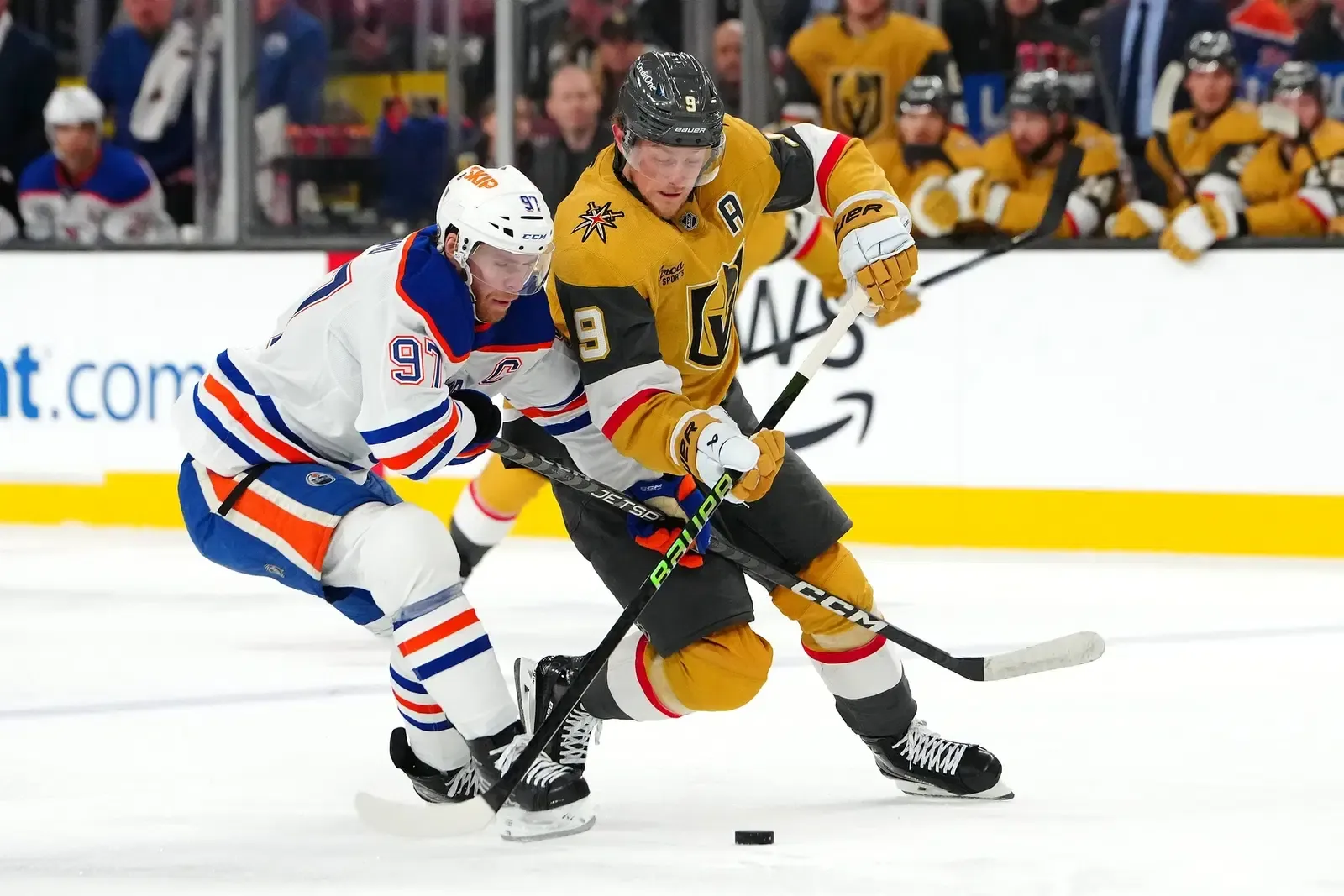
Makar and Hughes Drive July 1 Activity
Cale Makar completed a sixth straight point-per-game season in 2025-26 at age 27 and remains the lowest-risk extension candidate on the list. Colorado will move him past every other NHL defenseman in annual salary, creating an immediate internal cap ceiling that affects the rest of the roster. The Avalanche contrast sharply with teams that delay decisions; they prioritize Makar’s continuity over flexibility.
Quinn Hughes transformed Minnesota into a top-tier club after his arrival and already signals openness to a deal with Bill Guerin. Hughes can accept either a maximum-term pact or a shorter bridge before the seven-year limit begins. Minnesota’s willingness to spend aggressively removes the leverage a new team would normally hold.
Both players share the same July 1 window yet face different organizational timelines. Makar’s extension appears inevitable within days while Hughes could finalize terms even sooner if the Wild accelerate talks. The causal effect is clear: securing either star now prevents a later auction under stricter term rules.
The two defensemen together represent more than 200 points from the blue line in 2025-26. Their combined production explains why both clubs treat July 1 as the practical deadline rather than a negotiation starting point.
Veterans Secure Legacy Deals
Nikita Kucherov recorded 44 goals and 130 points in 76 games en route to the 2025-26 Hart Trophy at age 33. Tampa Bay can announce an extension the moment the window opens because Kucherov already embodies the franchise identity. A seven-year maximum remains possible though a shorter term would still exceed most comparables.
Sidney Crosby enters the same window at age 38 after 21 NHL seasons spent exclusively in Pittsburgh. The Penguins have demonstrated repeated willingness to sign Crosby whenever he chooses to continue, removing any external market pressure. Crosby’s continued offensive leadership at this age makes the extension a low-risk organizational decision.
Kucherov and Crosby illustrate the contrast between a team still building around a prime star and one extending a franchise icon. Both situations advance the same outcome: July 1 locks in continuity before term limits tighten.
Remaining Candidates Weigh Risk and Timing
Nico Hischier has spent all nine seasons with New Jersey since the 2017 draft and remains a 60-to-70-point defensive forward. Trade rumors persist yet the Devils prefer an extension that keeps their captain paired with Jack Hughes. The July 1 eligibility accelerates that preference.
Mark Stone, 34, posts strong defensive metrics when healthy but has suffered at least one major injury each recent season. Vegas can extend its captain immediately yet Kelly McCrimmon may delay for a larger sample of Hart’s goaltending after the Stanley Cup run. Carter Hart’s first-three-round performance positions him for a potential top-10 salary if the sample grows, creating a risk the Golden Knights currently cannot absorb.
Alex DeBrincat stands apart as the least likely to remain in Detroit. Any extension hinges on the Red Wings’ plans for Dylan Larkin; signs point toward a rebuild that would make a 28-year-old DeBrincat an odd fit. His eligibility still exists on July 1 but the causal path leads elsewhere.
Contract Landscape Shifts Permanently
The final eight-year window closes after this summer. Teams and players therefore treat July 1 as the last opportunity to maximize term before the CBA change reduces maximums to seven years for extensions and six for new signings. The eight names share eligibility yet differ sharply in probability and timing.
Frequently Asked Questions
Sources

Par Mike Jonderson
Mike Jonderson is a passionate hockey analyst and expert in advanced NHL statistics. A former college player and mathematics graduate, he combines his understanding of the game with technical expertise to develop innovative predictive models and contribute to the evolution of modern hockey analytics.