






The latest buzz sweeping across the NHL involves a potential blockbuster move that could reshape the Western Conference playoff picture. Speculation continues to mount about the Edmonton Oilers exploring trade options with the St. Louis Blues centered around goaltender Jordan Binnington. With both organizations navigating crucial moments in their development cycles, the timing of these rumors has hockey insiders dissecting every possible angle of what could become one of the season’s most significant transactions.
This developing situation emerges as the Oilers grapple with crease consistency questions and the Blues evaluate their long-term roster architecture. Social media chatter intensified last week when prominent hockey analysts began connecting the dots between Edmonton’s championship window and St. Louis’ asset management strategy. The conversation has evolved from casual speculation into serious analysis of cap implications, prospect packages, and how such a deal would impact both franchises’ immediate and future aspirations.
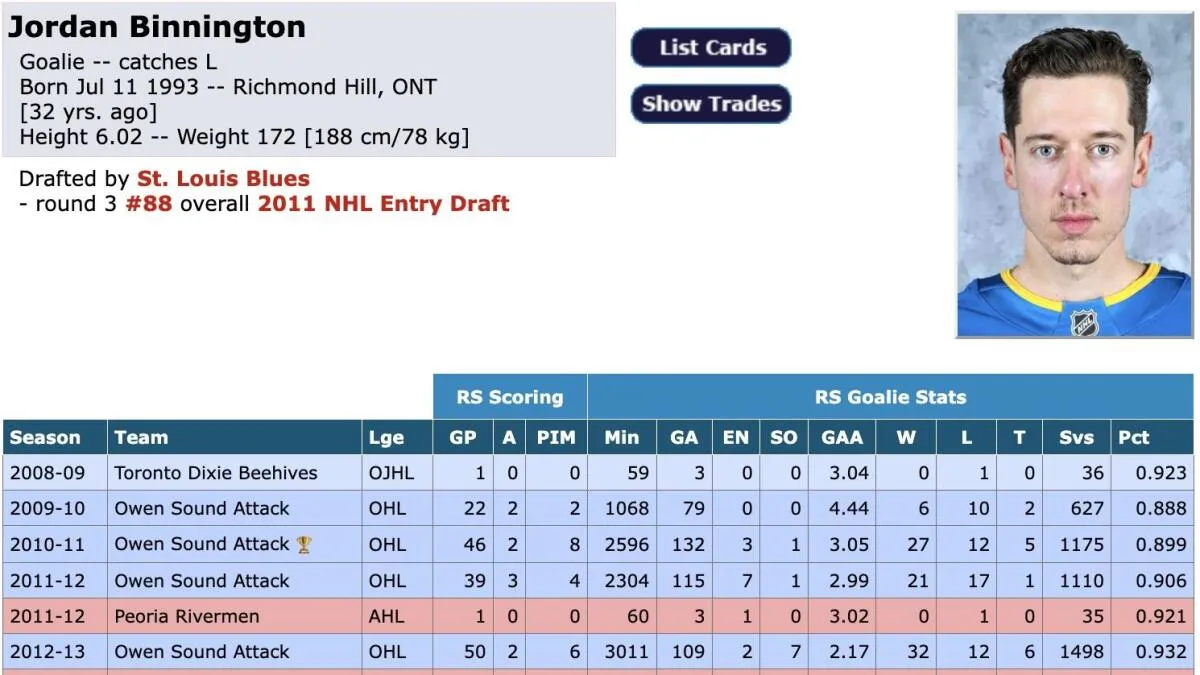
Why Edmonton oilers Jordan Binnington St. Louis Blues trade rumors are gaining traction
The foundation of this speculation rests on Edmonton’s perpetual quest for stability between the pipes. Despite flashes of brilliance from their current tandem, the Oilers’ front office recognizes that championship-caliber goaltending often separates conference finalists from Stanley Cup champions. Binnington’s pedigree as a proven playoff performer makes him an attractive target.
St. Louis finds itself at a crossroads with their veteran netminder. The Blues have developed promising young goaltending talent in their pipeline, creating a natural succession timeline that doesn’t perfectly align with Binnington’s contract structure. While the 31-year-old netminder maintains a no-trade clause, organizational sources suggest he would strongly consider waiving it for the opportunity to join a Cup-contending environment like Edmonton.
Financial considerations add another layer of intrigue. Binnington carries a $6 million cap hit through the 2027 season, a significant commitment that would require Edmonton to maneuver several contractual pieces. The Blues, conversely, could benefit from shedding that salary while acquiring assets that better fit their retooling timeline. Both general managers have historically demonstrated creativity in constructing complex deals that address multiple organizational needs simultaneously.
The Oilers’ championship urgency cannot be overstated. With Connor McDavid and Leon Draisaitl in their absolute primes, every season without a deep playoff run represents a missed opportunity. Management understands that elite goaltending can compensate for defensive deficiencies and provide the steal ability necessary in tight postseason contests. Binnington’s 2019 Stanley Cup run with the Blues provides tangible evidence of his ability to elevate his game when the stakes are highest.
Breaking down the potential trade framework
Any realistic package for Binnington would require Edmonton to part with significant future assets while maintaining enough roster depth to remain competitive. The Blues would likely demand a combination of high-end prospects, draft capital, and potentially a roster player who can contribute immediately while fitting their younger core timeline.
What St. Louis would demand
The Blues’ front office values controllability and upside in any major transaction. Their ask would probably start with Edmonton’s first-round pick in the upcoming draft, additional conditional selections based on playoff performance, and a top prospect from the Oilers’ pipeline. Names like Philip Broberg or Dylan Holloway could surface as potential centerpieces, though Edmonton would resist moving such valuable young talent.
St. Louis also needs to consider their own goaltending succession plan. While prospect Matt Kessel shows promise in the AHL, bringing back a younger netminder as part of the package could help bridge the gap. This might mean Edmonton including veteran Stuart Skinner or promising backup Calvin Pickard to provide the Blues with immediate NHL-caliber options while their prospects develop.
Edmonton’s perspective on asset allocation
The Oilers’ front office faces a delicate balance between maximizing their current championship window and preserving future flexibility. Trading multiple premium assets for a 31-year-old goaltender with a substantial contract represents a significant risk. However, the alternative—standing pat and potentially wasting another year of McDavid’s prime—carries its own form of opportunity cost.
General manager Ken Holland has built his reputation on measured, strategic moves rather than impulsive splashes. He understands that any Binnington acquisition would need to fit within Edmonton’s broader salary structure while leaving enough cap space to address other positional needs at the trade deadline. The presence of performance bonuses and potential LTIR designations creates additional complexity in structuring workable proposals.
How Jordan Binnington would fit in Edmonton’s system
Binnington’s playing style aligns reasonably well with the Oilers’ defensive structure. His aggressive positioning and ability to handle high-danger chances could compensate for Edmonton’s occasional defensive breakdowns. The netminder’s experience managing playoff pressure would also provide invaluable leadership to a roster desperate for postseason success.
Technical adjustments and team chemistry
Transitioning between organizations always requires acclimation periods, particularly for goaltenders who rely heavily on communication with defensemen. Binnington’s straightforward, no-nonsense approach has historically allowed him to integrate quickly into new environments. His familiarity with several Western Conference opponents would provide Edmonton’s coaching staff with detailed scouting insights on rival shooters.
The goaltender’s competitive fire, sometimes bordering on intensity that creates memorable moments, could mesh perfectly with Edmonton’s passionate fanbase. His famous altercations and emotional celebrations demonstrate a player who embraces high-stakes situations rather than shrinking from them. In a Canadian market where every save is scrutinized, this mental resilience represents a valuable intangible asset.
Contract implications beyond the trade
Acquiring Binnington means Edmonton would inherit his $6 million cap hit for three additional seasons after this year. While substantial, that figure actually compares favorably to recent goaltender extensions around the league. The question becomes whether Binnington’s performance justifies the investment relative to internal options or alternative trade targets.
The Oilers must also consider their upcoming negotiations with core players. Jesse Puljujarvi’s restricted free agency, coupled with eventual extensions for Evan Bouchard and Ryan McLeod, creates a complex cap puzzle. Adding Binnington’s long-term money would necessitate difficult decisions elsewhere in the lineup, potentially meaning the departure of veteran role players who provide crucial depth.
St. Louis Blues’ long-term strategy considerations
Trading Binnington would signify a clear pivot toward the future for St. Louis. The organization boasts one of the league’s deeper prospect pools, with several players nearing NHL readiness. Moving their veteran goaltender would accelerate the timeline for these young talents while creating financial flexibility to add pieces during subsequent offseasons.
The Blues’ goaltending pipeline
St. Louis has methodically developed goaltending prospects through their AHL affiliate in Springfield. Joel Hofer has demonstrated he can handle NHL action, posting respectable numbers in limited appearances. The organization’s confidence in their internal options makes Binnington more expendable than his performance alone might suggest.
This depth allows the Blues to approach negotiations from a position of strength. They don’t need to trade Binnington, which means any offer must meet their valuation or they’ll happily retain him. This leverage could force Edmonton to overpay slightly in terms of prospect quality or draft pick conditions, particularly if other teams enter the bidding process.
Asset accumulation and competitive timeline
General manager Doug Armstrong has consistently demonstrated patience in his roster construction philosophy. He understands that St. Louis’ next championship window may align better with their emerging prospects’ development curves. Converting a veteran asset like Binnington into younger, cost-controlled pieces fits this methodology perfectly.
The Blues’ current roster features several attractive veterans who could fetch additional returns at the trade deadline. If Armstrong decides to fully commit to a retooling phase, Binnington might represent just the first domino in a series of moves designed to stockpile assets for a more sustained contention period beginning in the 2026-27 season.
What Edmonton oilers Jordan Binnington St. Louis Blues trade rumors mean for the playoff race
The ripple effects of such a trade would extend far beyond Alberta and Missouri. Western Conference rivals would need to adjust their own strategies based on whether Edmonton secures the goaltending upgrade they’re seeking. A Binnington acquisition could shift the Oilers from playoff hopeful to legitimate Stanley Cup contender.
Vegas, Colorado, and Dallas have all built their recent success on elite goaltending performances. Edmonton matching that standard would eliminate a key competitive disadvantage. Conversely, if the Oilers fail to land Binnington and their current goaltending situation doesn’t improve, they risk wasting another season despite having two of the world’s best forwards.
The Blues’ direction following any potential trade would also impact the conference landscape. If St. Louis embraces a full youth movement, they could slip from playoff contention, creating opportunities for bubble teams like Nashville or Winnipeg. However, if they acquire immediate help while maintaining competitiveness, the Western Conference wild card race could become even more congested.
Stakeholders across the league are monitoring these discussions closely. The outcome may influence how other GMs approach their own roster dilemmas, particularly teams weighing present competitiveness against future asset accumulation. In a salary cap era where every dollar matters, the Binnington scenario represents a fascinating case study in risk assessment and opportunity cost.
Voices from around the hockey world
According to TSN Insider Trading host Pierre LeBrun, “The Oilers have been kicking tires on every available goaltender since October, but Binnington represents a different tier of acquisition. The question isn’t whether Edmonton is interested—it’s whether they can construct a package that makes sense for both sides without mortgaging their entire future.”
Blues head coach Drew Bannister recently addressed the speculation during a morning skate, stating, “Jordan’s a professional. These rumors are part of the business, and he’s handled everything with the same focus he brings to his preparation. We need him playing at his best regardless of what might happen down the road.”
Former NHL goaltender and current analyst Kevin Weekes weighed in on the athletic requirements of such a move. “Binnington’s technical game has evolved since his Cup run. His ability to read plays and anticipate danger has improved significantly. Edmonton would be getting a goaltender who understands how to win big games, not just a regular-season performer.”
These perspectives highlight the human element often overlooked in trade speculation. Players and their families face uncertain futures, while teammates must maintain focus amid constant questions. The professional approach demonstrated by both organizations suggests that any potential deal would be handled with appropriate discretion and respect for all parties involved.
Fan reaction and market implications
Social media analysis reveals Edmonton fans are sharply divided on the prospect of acquiring Binnington. Some supporters view him as the final piece of a championship puzzle, citing his playoff pedigree and competitiveness. Others worry about surrendering premium assets for a goaltender with a substantial contract and occasional inconsistency during the regular season.
Blues supporters express understandable mixed emotions about potentially losing their Stanley Cup hero. Many recognize the business logic behind moving a veteran asset during a retooling phase but struggle with the idea of Binnington hoisting the Cup in another uniform. The emotional connection between players and fan bases adds complexity to analytical trade evaluations.
From a betting perspective, oddsmakers have adjusted Edmonton’s Stanley Cup futures slightly based on the rumors. The Oilers currently sit at +1200 to win the championship, but those numbers could shift dramatically if Binnington arrives and demonstrates immediate chemistry with the roster. Conversely, any trade that depletes Edmonton’s depth might cause their odds to lengthen if the goaltending improvement doesn’t materialize as expected.
The secondary ticket market has also responded, with Edmonton playoff ticket prices showing modest increases based on speculation alone. This demonstrates how trade rumors, even without confirmation, can influence fan engagement and financial markets connected to the sport.
The deadline pressure cooker
With the trade deadline approaching, both front offices face mounting pressure to either complete negotiations or pivot to alternative strategies. Edmonton cannot afford to wait until the final hours, as acquiring Binnington would require sufficient time to integrate him into their system before the postseason push begins.
St. Louis similarly benefits from clarity. If they intend to move Binnington, doing so earlier allows their young goaltenders more NHL experience before critical developmental moments. Waiting until deadline day risks receiving diminished returns as trading partners exhaust their available assets on other targets.
The ticking clock creates a fascinating negotiation dynamic. Each day without action allows other teams to enter the discussion, potentially driving up the price for Edmonton or providing St. Louis with alternative suitors. However, premature discussions might force either side to accept less favorable terms than they’d prefer.
What it means for the championship landscape
Successfully acquiring Jordan Binnington would signal Edmonton’s all-in mentality for the next three seasons. The organization would be betting that his playoff experience and competitive nature, combined with their offensive firepower, creates an unstoppable force in the postseason. This aggression could pressure other contenders to make corresponding moves or risk falling behind in the arms race.
For St. Louis, trading Binnington would represent a commitment to their youth movement while acknowledging that their next championship window may require patience. The return package would need to accelerate that timeline significantly, providing immediate contributors and future stars who can grow alongside their current prospect base.
The broader NHL community watches these developments as a potential market-setting transaction. If Binnington fetches a premium return, other teams with veteran goaltenders might suddenly find themselves fielding unexpected calls. The ripple effects could trigger a cascade of moves that reshape multiple rosters before the deadline passes.
Ultimately, the Edmonton Oilers Jordan Binnington St. Louis Blues trade rumors encapsulate the strategic tension every franchise faces: balancing immediate championship aspirations against long-term organizational health. Both teams have legitimate paths forward regardless of whether this specific deal materializes, making the ongoing negotiations a masterclass in modern NHL asset management. The coming days will reveal whether these rumors transform into reality or remain merely the latest example of hockey’s endless speculation cycle.
Frequently Asked Questions

Par Mike Jonderson
Mike Jonderson is a passionate hockey analyst and expert in advanced NHL statistics. A former college player and mathematics graduate, he combines his understanding of the game with technical expertise to develop innovative predictive models and contribute to the evolution of modern hockey analytics.