On the eve of the men’s ice hockey gold medal game at the 2026 Milano Cortina Winter Olympics, Ottawa Senators captain Brady Tkachuk did not hold back when discussing the fierce U.S.-Canada matchup. “There’s hatred there,” Tkachuk told ESPN, capturing the raw emotion fueling Team USA’s quest to dethrone their northern neighbors.[1] Canada has dominated best-on-best international competitions for years, but the Americans are determined to change that narrative on Sunday, February 22, in Milan.
The stakes could not be higher. A U.S. victory would end a 46-year Olympic gold drought since the 1980 Miracle on Ice and mark their first triumph over Canada in a major tournament final since 1996. With NHL stars on both sides, this clash promises intensity without the fights seen in last year’s Four Nations Face-Off.[1]
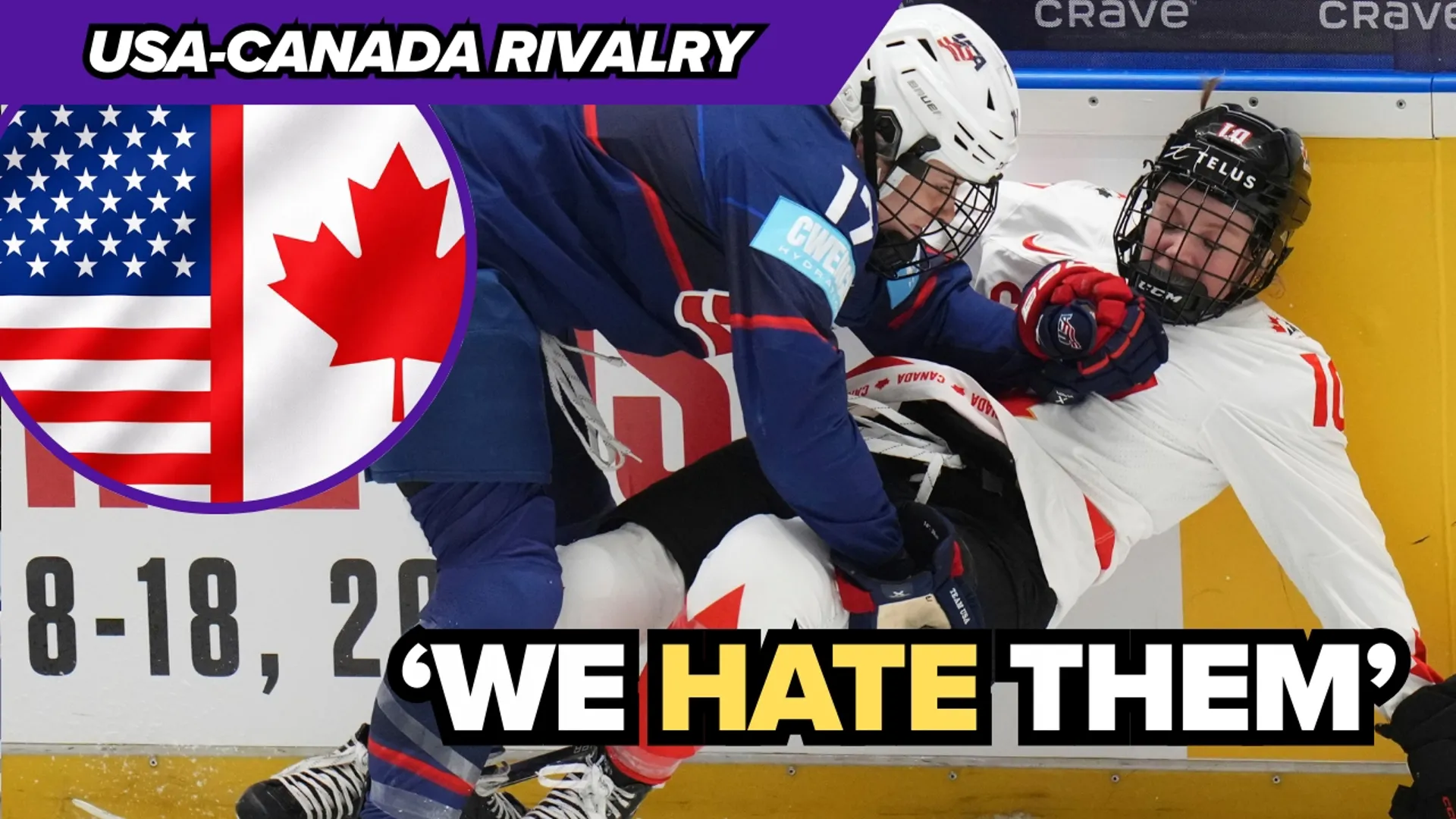
The storied U.S.-Canada hockey rivalry
The bad blood between these two nations runs deep in hockey lore. Canada leads their Olympic head-to-head 12-4 with three ties, including wins in the previous three gold medal meetings in 1920, 2002, and 2010.[2] The U.S. last tasted major success against Canada in the 1996 World Cup of Hockey final, a 5-2 victory featuring Brady Tkachuk’s father, Keith.
Recent encounters have only intensified the feud. In the 2025 Four Nations Face-Off, the Tkachuk brothers—Brady for USA and Matthew for Canada—sparked chaos with three fights in nine seconds at Montreal’s Bell Centre. Canada edged the U.S. 2-1 in overtime in the final, leaving a bitter taste.[1]
Tkachuk reflected on that loss: “We were one shot away last year, and sometimes you got to go through that adversity… I know I don’t want to feel like that ever again.”[1] The Americans have embraced a “gold or bust” mindset, drawing motivation from players who paved the way without Olympic glory.
Hockey’s growth in the U.S. adds fuel. Since NHLers returned in 1998—missing 2018 and 2022—the talent pool has deepened, culminating in the 2025 world championship win, the first in over 90 years. As we explored in our piece on whether the U.S. can beat Canada for men’s gold, the pieces are aligning.
The women’s success underscores the rivalry’s breadth. Team USA claimed their third Olympic gold Thursday, beating Canada 2-1 in overtime, setting up dreams of a clean sweep.[1]
Paths to the gold medal final
Team USA stormed through the tournament undefeated. They topped Group C with wins over Latvia (5-1), Denmark (6-3), Germany (5-1), and Sweden (2-1 OT in quarters), before dismantling Slovakia 6-2 in the semis.[2] Quinn Hughes leads with seven points, showcasing defensive prowess.
Canada’s journey was grittier. After group wins over Czechia (5-0), Switzerland, and France, they needed OT to beat Czechia again in quarters and rallied from 2-0 down to edge Finland 3-2 in semis.[2] Connor McDavid paces the tournament in scoring.
Both teams feature all-NHL rosters, blending veterans and stars. The date—February 22—echoes 1980’s poetic timing. Vincent Trocheck called it “as good as it gets.”[1]
Key players to watch
Standout talent defines this matchup. Here’s a look at pivotal figures:
Team USA highlights:
- Brady Tkachuk: Leads NHL in offensive zone time (49.5%); agitator with brotherly grudge.
- Quinn Hughes: Second in skating distance (215 miles); seven tournament points.
- Tage Thompson: Hardest shots (97.94 mph); high-danger goals leader (20).
- Jake Sanderson: Top D-man speed (24.37 mph max).
- Connor Hellebuyck: Leads Olympics in save % (.947), GAA (1.23).[3]
Team Canada highlights:
- Connor McDavid: NHL speed king (24.61 mph); leads skating distance, high-danger shots.
- Nathan MacKinnon: Top midrange goals (16), shots (110).
- Cale Makar: Power-play dynamo; third in D-man speed.
- Macklin Celebrini: 19-year-old phenom; 95th percentile shot speed.
- Jordan Binnington: Key in past wins vs. USA.[3]
Sidney Crosby remains a game-time decision after skating Saturday.[1] Betting odds heavily favor these two powers, per recent analysis.
Tactical edges and intensity
Physicality looms large, sans fights—automatic ejections apply. USA’s penalty kill is flawless at 15-for-15, per Trocheck.[1] Canada’s power play sizzles at 43.75% (6-for-17), powered by McDavid, MacKinnon, Celebrini, Reinhart, and Makar.[3]
Speed will dictate pace: McDavid’s bursts vs. Sanderson’s defensive rushes. High-danger areas favor USA’s Guentzel and Boldy. Coach Mike Sullivan stresses dictating terms: “You can’t let your guard down.”[2]
The rematch of goalies Hellebuyck and Binnington from Four Nations adds intrigue. USA’s depth from world champs like Keller, Thompson, and Swayman bolsters resilience.
Trocheck anticipates “tight checking… the best.”[1]
Voices from the ice
Tkachuk emphasized the envy: “They’ve been the top dog… we want to be the best.”[1] Matthew Tkachuk called it “the pinnacle of the sport.”[4]
Dylan Larkin: “A battle of the ages.” Makar on Canada’s composure: “There’s never any panic.”[2]
Sullivan lauds his squad as “the best team that I’ve ever been around.” Eichel cherishes the honor.
These words capture the dream at stake—a childhood aspiration for many.
As puck drop nears at 14:10 CET (8:10 a.m. ET), the world watches this best-on-best spectacle. A U.S. win rewrites history, validating hockey’s American surge; Canada victory cements dominance. For more on the preview, check NHL.com’s breakdown.[4] Whichever side prevails, it elevates the rivalry further, inspiring the next generation.
Frequently Asked Questions

Par Mike Jonderson
Mike Jonderson is a passionate hockey analyst and expert in advanced NHL statistics. A former college player and mathematics graduate, he combines his understanding of the game with technical expertise to develop innovative predictive models and contribute to the evolution of modern hockey analytics.