












Cal Foote has officially begun his journey back into professional hockey. The soon-to-be 27-year-old defenseman signed an American Hockey League contract with the Chicago Wolves on December 1, 2025, becoming the fourth of five acquitted players from Canada’s 2018 world junior team to resume his career. This move marks a significant milestone in a saga that has gripped the hockey world since early 2024, when the players were first charged in connection with an incident dating back to London, Ontario, six years prior.
The signing represents more than just another roster move in the minor leagues. It symbolizes the first real step toward normalcy for Foote, whose career was put on ice pending the outcome of a highly publicized trial that ended with all five players being found not guilty in July 2025. While Carter Hart, the goaltender from that team, has already signed with the Vegas Golden Knights and could make his NHL debut as early as Tuesday, Foote’s path takes him through the AHL’s ranks—a familiar proving ground for players seeking to claw their way back to hockey’s highest level.
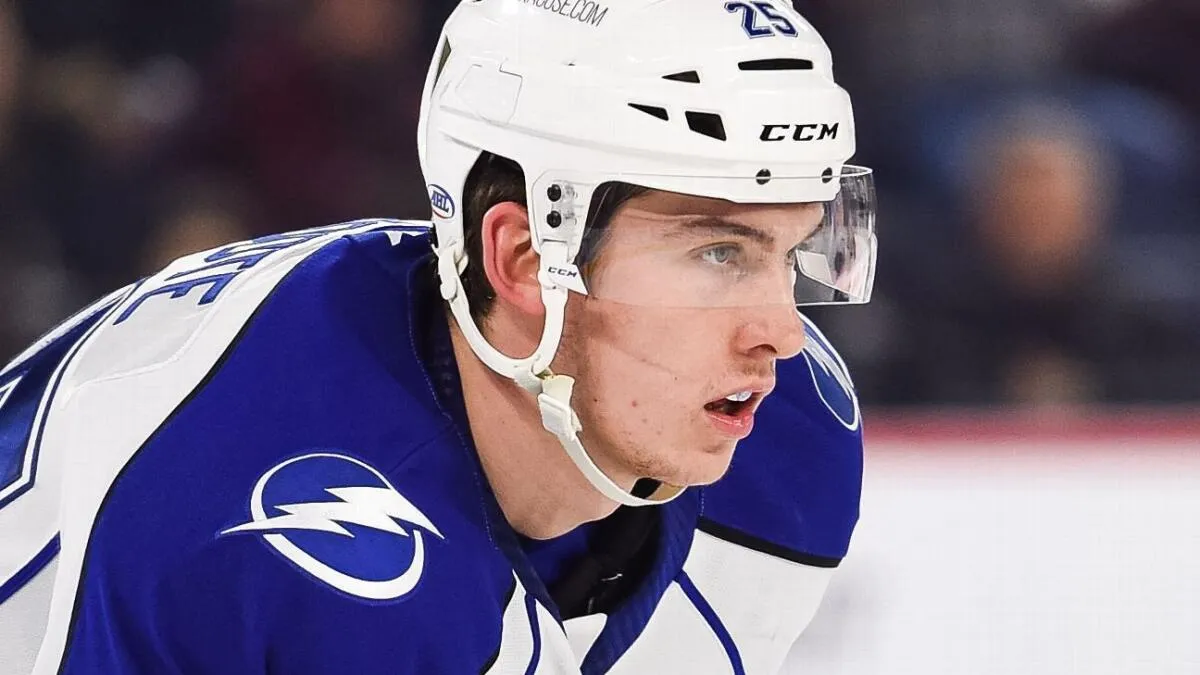
The long road back to the ice
The journey from accused to acquitted to employed has been anything but straightforward for Foote and his former teammates. When police charged the five players in early 2024, all except Alex Formenton were actively playing in the NHL. Foote and forward Michael McLeod were property of the New Jersey Devils, Hart was with the Philadelphia Flyers, and Dillon Dube was skating for the Calgary Flames. The charges sent immediate shockwaves through their respective organizations and the broader hockey community.
That summer, none of the NHL teams extended qualifying offers to their accused players, rendering them restricted free agents without a home. The Devils, Flyers, and Flames effectively severed ties before any trial had taken place, reflecting both the severity of the allegations and the NHL’s cautious approach to public relations disasters. For over a year, these players existed in professional limbo—training on their own, barred from league facilities, and uncertain whether they’d ever play organized hockey again.
The NHL established clear guidelines in September 2025, announcing that the players would become eligible to sign contracts starting October 15 and could return to game action beginning December 1. This structured approach gave teams a framework for potential signings while allowing time for public reaction to the acquittal to settle. The league’s careful timeline demonstrates how it attempted to balance due process with its corporate image, a tightrope walk that continues to generate debate among fans and advocacy groups.
Chicago Wolves provide landing spot
The Chicago Wolves organization officially announced Foote’s signing on Monday, though the team has not disclosed specific terms of the contract. As the primary AHL affiliate of the Carolina Hurricanes, the Wolves offer Foote a legitimate path back to NHL relevance, though that road remains steep and uncertain. For now, simply having a roster spot represents a victory for the young defenseman who has played 121 NHL games across four seasons with the Tampa Bay Lightning and New Jersey Devils.
Foote brings a wealth of experience to the Wolves’ blue line, despite his limited playing time over the past year. The 6-foot-4, 220-pound defenseman has always been valued for his physical presence and defensive reliability, traits that don’t typically erode during time away from competitive play. His NHL résumé includes a Stanley Cup championship with the Lightning in 2021, providing him with invaluable experience in high-pressure situations that could prove beneficial in the AHL’s playoff crucible.
The Wolves are getting a motivated player with something to prove. Foote’s career was ascending before the charges derailed his trajectory, and he’ll likely approach every shift with the intensity of someone who understands how quickly it can all disappear. For Chicago, it’s a low-risk, potentially high-reward signing—if Foote can recapture his NHL form, he becomes a valuable trade chip or call-up candidate. If he struggles, the AHL contract provides the organization flexibility without impacting Carolina’s salary cap.
What the AHL opportunity means
Playing in the AHL allows Foote to reacclimate to professional hockey’s pace and physicality in a slightly less intense spotlight than the NHL. The minor leagues offer a proving ground where he can work off rust, rebuild his confidence, and demonstrate to NHL general managers that he remains a viable NHL talent. Every productive game with the Wolves chips away at the narrative that these players are damaged goods.
The AHL also provides distance from the media storm that will inevitably follow whichever team first gives an acquitted player an NHL roster spot. While Carter Hart may face that scrutiny directly when he debuts for Vegas, Foote can focus purely on his game in the relative quiet of the American Hockey League. This buffer could prove crucial for his mental health and on-ice performance as he attempts to rebuild a career nearly destroyed by allegations he was ultimately cleared of in court.
Fellow acquitted players take different paths
The five members of that 2018 world junior team have scattered across the hockey landscape in their attempts to resume careers diluted by the 18-month saga. Their choices reflect varying levels of opportunity, risk tolerance, and personal circumstances as each navigates this unprecedented return to professional hockey:
Carter Hart – The goaltender landed the most coveted spot, signing with the Vegas Golden Knights in mid-October, mere days after the eligibility window opened. His debut on Tuesday represents the first time an acquitted player will appear in an NHL regular-season game since the charges were filed. The Golden Knights’ decision to sign him speaks to both his established NHL track record and the organization’s belief in second chances.
Michael McLeod – Found not guilty of an additional count of being party to the offense of sexual assault, McLeod chose the KHL route, inking a three-year contract with Avangard Omsk in October. He actually played last season in the Russia-based league with Barys Astana in Kazakhstan, making him the only player to compete professionally during the legal proceedings. His familiarity with international play made this transition more natural.
Alex Formenton – The outlier of the group, Formenton has been playing for HC Ambri-Piotta in the Swiss Hockey League since 2022. The Ottawa Senators declined to re-sign him before any charges were filed, meaning his career trajectory changed well before his teammates’ did. His continued employment in Europe provided a template that McLeod and Dube would later follow.
Dillon Dube – The 27-year-old winger spent the 2024-25 season with Dinamo Minsk in the KHL but has not appeared in any games during the current campaign. His status remains uncertain, making him the only acquitted player without a current professional contract. Dube’s situation highlights how each player’s career prospects have been uniquely affected by the shared ordeal.
What this means for Foote’s NHL future
While the Chicago Wolves contract provides immediate employment, Foote’s ultimate goal remains a return to the NHL. The path isn’t straightforward—NHL teams remain hesitant about the public relations implications of signing any of these players, regardless of their legal exoneration. The league’s decision to allow returns doesn’t obligate its 32 franchises to offer contracts, and many will likely wait to see how Hart’s Vegas experiment plays out before making their own moves.
Foote’s performance in the AHL becomes critically important. If he dominates at that level, it becomes increasingly difficult for NHL teams to ignore his production based on optics alone. Statistical excellence has a way of quieting moral hand-wringing in professional sports, and Foote likely understands that his play must be undeniable. Every point he scores and every solid defensive play he makes chips away at the stigma attached to his name.
The defenseman also faces the challenge of timing. At 27, he’s entering what should be the prime of his career, but he’s lost nearly two full seasons of development and prime earning potential. While younger players have time to rebuild slowly, Foote’s window for establishing himself as a regular NHL contributor is narrowing. This urgency could work in his favor, driving him to maximize every opportunity with the Wolves.
Public perception and locker room dynamics
Beyond the on-ice challenges, Foote must navigate complex social dynamics. Some fans will never accept his return, believing that acquittal doesn’t equal innocence. Social media backlash is inevitable whenever he makes highlight reels or is promoted to the NHL. This psychological burden could weigh heavily on a player already dealing with the trauma of public accusation and trial.
Locker room reception presents another variable. While professional athletes often close ranks around teammates, some players may feel uncomfortable sharing a dressing room with someone accused of sexual assault, regardless of the verdict. The Wolves’ management will need to monitor team chemistry closely, though Foote’s championship experience and presumably contrite approach could help him earn trust from new teammates.
A cautious step forward for hockey
Foote’s signing with the Chicago Wolves represents hockey’s tentative embrace of due process over permanent exile. The sport has historically been criticized for protecting its own at all costs, but this situation flipped that script—teams abandoned players before trials even began. Now, with legal proceedings concluded in acquittal, the slow reintegration suggests a new, more cautious approach to off-ice controversies.
The NHL’s structured timeline demonstrates an attempt to balance competing pressures: the legal system’s determination, fan sentiment, sponsor concerns, and the players’ right to earn a living. Whether this model succeeds depends largely on how these returning players conduct themselves and whether further incidents emerge. For now, Foote’s AHL contract serves as a test case for whether professional hockey can truly separate the courtroom from the locker room.
What it means for the game
The ripple effects of this saga will influence how hockey handles future off-ice controversies. If Foote and his former teammates succeed professionally without further incidents, it may embolden teams to trust legal outcomes over public pressure. If challenges arise—either from protests, sponsor pullbacks, or internal discord—the league may adopt even more restrictive policies.
For now, the focus returns to what happens on the ice. When Foote takes his first shift for the Chicago Wolves, it will mark the culmination of two years of uncertainty, legal battles, and personal turmoil. Whether this represents a true second chance or merely a temporary stop remains to be seen, but for a player whose career was nearly destroyed, simply having a jersey to wear again feels like a victory.
The acquitted defenseman’s journey serves as a reminder that in professional sports, talent and production often outweigh controversy—eventually. How quickly and completely Foote can rediscover his NHL-caliber game will determine whether this AHL contract becomes a footnote in his career or the foundation of a remarkable comeback story.
Frequently Asked Questions

Par Mike Jonderson
Mike Jonderson is a passionate hockey analyst and expert in advanced NHL statistics. A former college player and mathematics graduate, he combines his understanding of the game with technical expertise to develop innovative predictive models and contribute to the evolution of modern hockey analytics.