






The NHL announced that Calgary, Edmonton and Prague will serve as host cities for the World Cup of Hockey returning in February 2028.[1][2] This best-on-best international tournament marks a significant step in the league’s commitment to global competition featuring its top stars. Scotia Place in Calgary, Rogers Place in Edmonton and the O2 Arena in Prague will welcome fans from around the world.
NHL commissioner Gary Bettman highlighted the event’s unique appeal. “There is no international competition in sports that matches the passion, skill, and excitement of hockey’s best-on-best coming together to represent their countries,” he said in a statement.[1] The selection of these venues underscores their proven track record for major events and modern facilities.
Host cities and their roles
Calgary steps into the spotlight with seven games at the brand-new Scotia Place, opening in 2027 as the Calgary Flames’ home.[2] This arena promises state-of-the-art amenities and a vibrant atmosphere. Six round-robin games and one elimination matchup will fill the schedule there.
Edmonton takes center stage for the high-stakes conclusion. Rogers Place, home of the Edmonton Oilers, will host both semifinal games and the championship final.[3] The venue has a storied history with packed crowds during playoff runs. Its central role amplifies the drama of the tournament’s endgame.
Prague adds a European flair at the O2 Arena. Like Calgary, it will host seven games, including six round-robin contests and one elimination game.[4] The Czech capital’s passionate hockey fans will create an electric international vibe. This marks a return to Europe after previous North American-focused events.
Alberta’s dual-city bid beat out competition from 16 finalists earlier narrowed by the NHL.[5] The province’s infrastructure and fan base made it a natural choice. Prague’s inclusion ensures global balance.
These hosts reflect strategic planning. Each city offers accessibility, capacity and hockey heritage. Fans can expect seamless logistics across continents.
Tournament format and key details
The 2028 edition builds on the tournament’s legacy since 1996. Expect an eight-team field similar to past versions, with preliminary rounds leading to playoffs.[6] Games kick off in February, aligning with the NHL’s international calendar.
Round-robin play distributes evenly between Calgary and Prague. Each site’s six group-stage games set the stage for elimination action.[7] The seventh game per site ramps up intensity early.
Edmonton’s triple-header caps the event. Semifinals on consecutive nights lead to the final, mirroring high-pressure NHL playoff formats.
- Calgary: 6 round-robin + 1 elimination
- Prague: 6 round-robin + 1 elimination
- Edmonton: 2 semifinals + 1 final
This structure maximizes excitement. Travel between sites will be manageable for teams and broadcasters.
The NHL and NHLPA’s joint effort ensures player participation. No conflicts with playoffs or Olympics disrupt the lineup.
Historical context and recent momentum
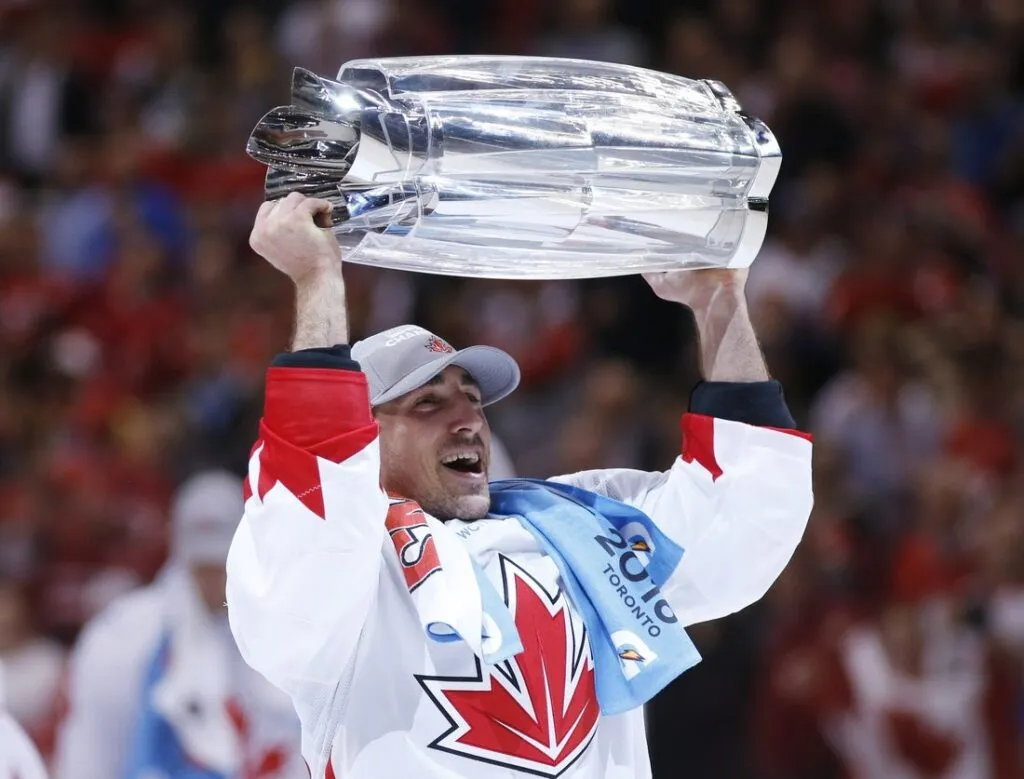
The World Cup replaced the Canada Cup in 1996, with the U.S. claiming the inaugural title. Canada dominated in 2004 and 2016, the last hosting in Toronto.[8] Absences due to Olympic opt-outs and scheduling left a void.
The 4 Nations Face-Off in 2025 reignited fervor. Canada, USA, Sweden and Finland delivered thrilling matchups without Russian participation.
Olympic returns for NHLers paved the way. A biennial international calendar now alternates Olympics and World Cups.[9]
Stars like Connor McDavid and Nathan MacKinnon missed prior Olympics. Now, they gear up for national pride on this stage.
Past tournaments showcased rivalries. Think USA’s 1996 upset or Canada’s back-to-back wins.
This revival fills the best-on-best gap. IIHF Worlds often miss top talent due to playoffs.
Stars and storylines to watch
Quinn Hughes and Cale Makar anchor U.S. defense dreams. Their offensive flair could redefine blue-line play internationally.[1]
Canada boasts McDavid, MacKinnon and Auston Matthews. This trio’s speed and scoring might overwhelm foes.
Czechia gains home boost in Prague. Players like David Pastrnak will shine under national pressure.
Team USA eyes revenge after 2016 semis loss. Depth from NHL rosters promises parity.
Injuries aside, expect full-strength squads. The every-two-years rhythm sustains momentum.
Storylines abound: Alberta rivalry between Calgary and Edmonton fans during group play.
Preparing for a global spectacle
These host cities shine for big events. Rogers Place hosted Stanley Cup Finals; O2 Arena packs for Europe tours.
Calgary’s Scotia Place debuts perfectly timed. Its design caters to hockey’s demands.
Ticket buzz already builds. For details, check the NHL’s official World Cup page.[6]
The announcement caps a process launched in 2025. Bids from 25 cities whittled to these winners. ESPN coverage provides deeper insights.[10]
Fans worldwide anticipate February 2028. This tournament reaffirms hockey’s global heartbeat.
What lies ahead? Medal-round magic in Edmonton could crown a new champion. Prepare for unforgettable national anthems and overtime thrillers.
Frequently Asked Questions

Par Mike Jonderson
Mike Jonderson is a passionate hockey analyst and expert in advanced NHL statistics. A former college player and mathematics graduate, he combines his understanding of the game with technical expertise to develop innovative predictive models and contribute to the evolution of modern hockey analytics.