









Edmonton Oilers captain Connor McDavid has voiced frustration with the NHL’s supplementary discipline system, urging the league to review how it handles suspensions. His comments follow the Department of Player Safety’s (DoPS) decision to suspend Anaheim Ducks defenseman Radko Gudas for just five games after a knee-on-knee hit that caused a season-ending injury to Toronto Maple Leafs star Auston Matthews.[1][2]
McDavid’s call highlights growing discontent among players and fans over inconsistent rulings, especially given Gudas’ history of suspensions. The incident has amplified debates about player safety and whether the current process adequately deters dangerous plays.
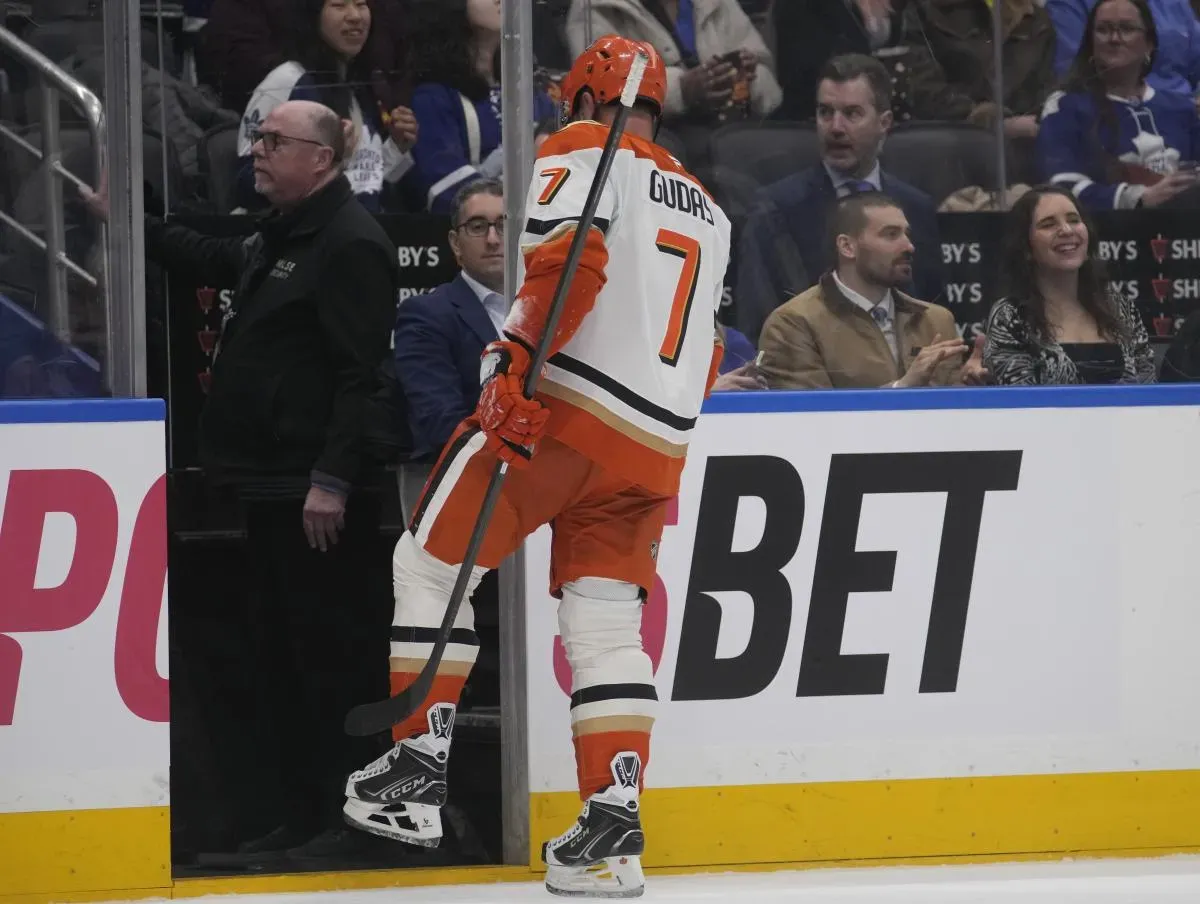
The hit that ended Matthews’ season
The controversial play occurred during a game between the Maple Leafs and Ducks on March 12, 2026, at 15:43 of the second period. Gudas collided with Matthews late in the period, sending Toronto’s captain to the ice in visible pain. Matthews did not return to the game and was later diagnosed with a grade 3 MCL tear and quad contusion.[2]
Gudas received a five-minute major penalty for kneeing and a game misconduct on the spot. The Leafs announced Matthews’ injuries the next day, confirming he would miss the rest of the season as Toronto faces missing the playoffs. Critics immediately pointed to the hit’s severity, arguing it warranted more than an on-ice penalty.
The play drew comparisons to past controversial hits, where intent and injury outcomes heavily influence DoPS reviews. For details on the official suspension announcement, see the NHL’s statement.[2]
This incident underscores ongoing tensions between physical play and safety in the NHL. Gudas claimed it was a legal body check, but video review showed his knee extending directly into Matthews’ leg.
DoPS opts for phone hearing and five-game ban
The DoPS offered Gudas a phone hearing, capping any suspension at five games under CBA rules—in-person hearings allow for longer bans. On March 14, 2026, they handed down the maximum for that format, with Gudas forfeiting $104,166.65 in salary to the Players’ Emergency Assistance Fund.[2]
Many viewed this as lenient given the injury’s impact and Gudas’ track record. The department explained the hit as “forced, dangerous and direct,” but the hearing type limited their options. For a deeper look at the suspension, check this nhlinsight post.
The decision fueled immediate backlash, with questions about why such a significant injury didn’t trigger an in-person review. Phone hearings are standard for less egregious plays, but this case blurred lines.
DoPS has faced similar scrutiny in past seasons, yet the process remains CBA-bound. This ruling exemplifies why players like McDavid are pushing for change.
Strong reactions from the Maple Leafs camp
Matthews’ agent, Judd Moldaver, issued a scathing statement: “In light of the obvious severity of the play, I am very disappointed and shocked that the league would allow for such a ruling. A phone hearing and five games is just laughable and preposterous. While the hearing process is pre-fixed in our CBA, that there was no further discipline is a reckless and ridiculous position for Player Safety. This decision results in a further loss of confidence in the disciplinary process for all players. Players and fans deserve better. The Player Safety Department should be suspended.”[3]
Leafs coach Craig Berube called the hit a “dirty play” and said the punishment “doesn’t seem like enough,” noting Gudas as a repeat offender and the loss of their captain. Forward Matthew Knies echoed that sentiment: “I think the league could’ve done a little bit more seeing as our best player, our captain [won’t] be with us for the rest of the year. That’s a big loss [and] I would’ve loved to see a little bit more.”
The Toronto organization has demanded harsher penalties in similar cases, as covered in this nhlinsight article on Leafs’ response.
These voices reflect broader frustration with perceived leniency toward injurious hits.
McDavid joins the chorus for process review
Speaking on Sunday, McDavid questioned the system’s effectiveness: “If every time there is a suspension everybody complains about it, why don’t we take a look at the process [and] figure out if there’s a better way to make sure that both parties are happy because it seems like there’s a lot of frustration.”
As one of the league’s biggest stars, McDavid’s input carries weight. His comments, reported by TSN, come amid widespread dissatisfaction with DoPS rulings.
McDavid isn’t alone; the Gudas case has reignited calls for transparency and consistency. Players want a system that satisfies all sides without endless debate.
Examining Gudas’ extensive suspension history
Gudas now has multiple suspensions, totaling over 25 games in his career. Here’s a rundown of key ones:
- December 2, 2015: Three games for illegal check to the head of Mika Zibanejad (New York Rangers).[4]
- October 10, 2016: Six games for interfering hit on Austin Czarnik (Boston Bruins) in preseason, causing concussion.[4]
- November 20, 2017: Ten games for slashing Mathieu Perreault (Winnipeg Jets).[4]
- March 13, 2026: Five games for kneeing Auston Matthews.[4]
Prior to this, Gudas had been suspended four times for 21 games, per reports—his physical style has long drawn scrutiny.[5] This latest adds to a pattern of reckless plays.
Gudas’ career PIM total exceeds 1,000, marking him as an enforcer type. Yet repeat offenses raise questions about deterrence.
Broader implications for NHL player safety
The CBA locks in hearing protocols, but McDavid’s audit suggestion could prompt internal reviews. Frustration erodes trust in DoPS, especially with high-profile injuries.
Toronto and Anaheim rematch on March 30, potentially heightening tensions. Leafs’ playoff hopes dim without Matthews.
Historical cases, like lengthy bans for slashes or heads, show inconsistency. A process overhaul might balance physicality and safety.
McDavid’s advocacy signals players want input on discipline. Whether the NHL acts remains to be seen, but the pressure is mounting.
This saga highlights the need for evolution in how the league polices itself. An audit could restore faith, ensuring suspensions match impact and prevent future controversies. Fans and players alike await clearer standards moving forward.
Frequently Asked Questions

Par Mike Jonderson
Mike Jonderson is a passionate hockey analyst and expert in advanced NHL statistics. A former college player and mathematics graduate, he combines his understanding of the game with technical expertise to develop innovative predictive models and contribute to the evolution of modern hockey analytics.