




The New Jersey Devils place Zack MacEwen on injured reserve following a lower-body setback sustained during their overtime victory against the Chicago Blackhawks. The move marks another frustrating chapter in what has been a challenging season for the forward, who had only recently returned to the lineup after missing time with a previous injury. MacEwen’s latest setback comes at an inopportune time for a Devils team already navigating multiple injuries throughout their roster.
In a corresponding move, the Devils recalled forward Nathan Legare from their AHL affiliate, the Utica Comets, to fill the roster spot. The 24-year-old Legare, who impressed during preseason action, will look to provide the physical presence and energy that MacEwen brought to the fourth line before his injury.
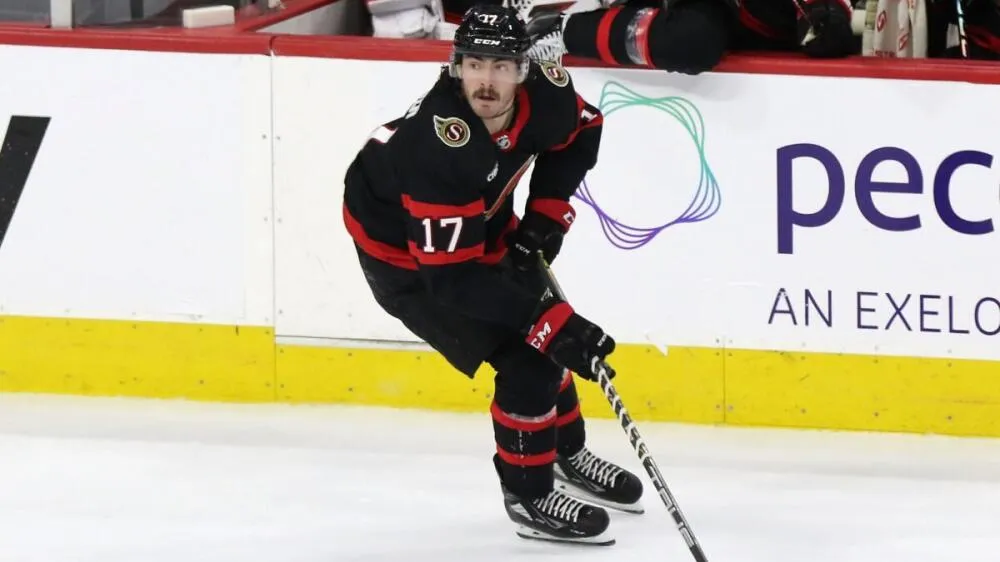
Understanding the New Jersey Devils’ decision to place Zack MacEwen on injured reserve
The decision to place MacEwen on injured reserve wasn’t made lightly by the Devils’ medical staff and coaching team. After sustaining a lower-body injury during the game against Chicago, the forward was unable to complete the contest and left the ice visibly uncomfortable. Given the severity of the injury and the need to ensure proper recovery, the team opted for the IR designation, which requires a minimum seven-day absence from game action.
MacEwen had appeared in just three games since returning from his previous injury, managing four shots on goal, six hits, and one blocked shot during that span. While he didn’t register any points in those appearances, his physical style of play and willingness to engage opponents made him a valued member of the Devils’ bottom-six forward group. The 28-year-old had been working to establish chemistry with his linemates and find his rhythm after the extended layoff.
The timing of this injury is particularly cruel given that MacEwen had only recently worked his way back into game shape. Players who return from extended absences often require several games to regain their conditioning and timing, and MacEwen was showing signs of progress before this latest setback. His absence leaves a noticeable gap in the Devils’ lineup, particularly when it comes to providing physicality and protecting skill players.
According to the official team announcement, the lower-body injury occurred during the hard-fought overtime victory. The Devils managed to secure the two points in that contest, but the cost may prove significant as they navigate the upcoming stretch of their schedule without one of their more physical forwards.
The impact on New Jersey Devils’ forward depth and lineup construction
MacEwen’s absence compounds an already challenging injury situation for head coach Sheldon Keefe and his staff. The Devils have dealt with various injuries throughout the early portion of the season, forcing frequent lineup adjustments and requiring depth players to step into expanded roles. Cody Glass also left the same game with an injury, further depleting the team’s forward options and creating roster management challenges.
The loss of MacEwen’s physical presence is perhaps most significant. Standing 6-foot-4 and weighing 205 pounds, he provides a deterrent factor that few other players on the roster can match. His willingness to drop the gloves when necessary and stand up for teammates makes him a valuable asset, particularly in divisional matchups where emotions run high. Without him in the lineup, the Devils may find opponents more willing to take liberties with their star players.
From a tactical standpoint, Keefe will need to reconfigure his fourth line and potentially adjust his deployment strategies. MacEwen typically filled a role as an energy forward who could provide physical forechecking and wear down opposing defensemen over the course of a game. His absence means other players will need to increase their physical engagement, which could take them out of their natural playing style and comfort zones.
The Devils’ depth chart takes a hit with this move, but the organization has been proactive in maintaining AHL-ready replacements. The Utica Comets have served as an excellent development system, and players like Legare have been waiting for their opportunity to contribute at the NHL level. Still, there’s no denying that replacing an experienced player like MacEwen, who understands his role and executes it consistently, presents challenges.
Nathan Legare’s opportunity with the New Jersey Devils following MacEwen’s injury
Nathan Legare’s recall represents a significant opportunity for the 24-year-old forward to prove he belongs at the NHL level. After an impressive training camp where he posted a goal and two points in three preseason games, Legare earned praise from the coaching staff for his work ethic and physical play. His performance made him one of the final cuts, but he clearly left a strong impression that positioned him as the first call-up when injuries struck.
Through 11 games with Utica this season, Legare has scored one goal and shown the same tenacious style that caught the Devils’ attention during camp. Last season with the Comets, he demonstrated offensive capability by posting 17 goals and 25 points in 69 games, proving he can contribute at the AHL level. He also received a three-game cup of coffee with New Jersey, giving him a taste of what’s required to succeed at hockey’s highest level.
At 6-foot tall and 200 pounds, Legare brings a similar physical dimension to what MacEwen provides, though he may offer slightly more offensive upside. The Quebec native plays a north-south game, using his body to win puck battles along the boards and create space for his linemates. His skating has improved over the past year, allowing him to keep pace with the faster tempo of NHL games.
The Devils organization clearly values Legare’s potential, having kept him close to NHL-ready throughout his development. This recall isn’t just about filling a roster spot—it’s an audition for a more permanent role. If Legare can demonstrate the same intensity and reliability that MacEwen brings while adding some offensive punch, he could find himself in the lineup even after MacEwen returns to health. Competition for roster spots ultimately benefits the team by keeping all players motivated and pushing each other to elevate their games.
Recovery timeline and what’s next for Zack MacEwen’s return to the Devils
While the Devils have not provided a specific timeline for MacEwen’s return, the injured reserve designation means he’ll miss at minimum seven days from the date of placement. Lower-body injuries can vary significantly in severity, ranging from minor muscle strains that heal within a week or two to more significant issues requiring several weeks of rehabilitation. The team’s medical staff will take a cautious approach, especially given MacEwen’s recent return from a previous injury.
The recovery process will likely involve a graduated return-to-play protocol. MacEwen will begin with off-ice conditioning and treatment to address the injury itself, followed by light skating once cleared by medical staff. From there, he’ll progress to more intensive on-ice work, including contact drills and simulated game situations. Only after demonstrating full health and fitness through practice will he be cleared to return to game action.
One concern is the potential for this injury to be related to or aggravated by his previous ailment. When players return from extended absences, their bodies sometimes haven’t fully adapted to the rigors of NHL competition, making them more susceptible to setbacks. The Devils’ medical team will need to ensure that MacEwen is completely healthy before allowing him to return, even if it means a longer absence than initially anticipated.
The Devils’ schedule over the coming weeks will play a role in determining the urgency of MacEwen’s return. If Legare and other depth forwards can adequately fill the void, the team may opt to be extra cautious with their veteran forward. However, if the injury situation worsens or the team struggles without his physical presence, there may be pressure to expedite his return—though player health should always take precedence over short-term roster needs.
Managing the New Jersey Devils’ injury crisis and roster challenges ahead
The Devils find themselves in a familiar but unwelcome position as they manage multiple injuries across their lineup. MacEwen’s placement on injured reserve is just one piece of a larger puzzle that general manager Tom Fitzgerald and his staff must solve. The organization’s depth will be tested as they navigate this challenging stretch, and their ability to maintain competitive performance despite these setbacks could define their season.
Roster management becomes particularly challenging when multiple players occupy injured reserve, as each absence reduces the team’s flexibility and forces difficult decisions about player deployment. The Devils must balance giving opportunities to young players like Legare while ensuring they remain competitive in what promises to be a tight Metropolitan Division race. Every point matters in the NHL’s current playoff format, and injuries cannot be used as an excuse for falling behind in the standings.
The silver lining in these situations is that they create opportunities for organizational depth to shine. Players who might otherwise spend the entire season in the AHL get chances to prove themselves at the NHL level. These experiences can accelerate development and help teams identify which prospects are ready for expanded roles. For the Devils, this period could reveal hidden gems who become regular contributors down the stretch.
Looking ahead, the Devils will need several players to step up in MacEwen’s absence. Veterans will need to provide leadership and stability, while younger players must embrace the increased responsibility. The coaching staff’s ability to adjust systems and strategies to account for personnel changes will be tested. Teams that navigate injury adversity successfully often build resilience and chemistry that serves them well in playoff races and postseason battles.
The New Jersey Devils place Zack MacEwen on injured reserve at a challenging moment, but organizations are ultimately defined by how they respond to adversity. With capable replacements like Nathan Legare ready to contribute and a system designed to develop NHL-ready talent, the Devils have the pieces in place to weather this storm. MacEwen’s focus now shifts to recovery and rehabilitation, with the goal of returning to full health and helping his team push for playoff positioning when cleared to return to action.
Frequently Asked Questions

Par Mike Jonderson
Mike Jonderson is a passionate hockey analyst and expert in advanced NHL statistics. A former college player and mathematics graduate, he combines his understanding of the game with technical expertise to develop innovative predictive models and contribute to the evolution of modern hockey analytics.