














Detroit Red Wings have missed the playoffs in each of the last 10 seasons since their 2015-16 appearance.
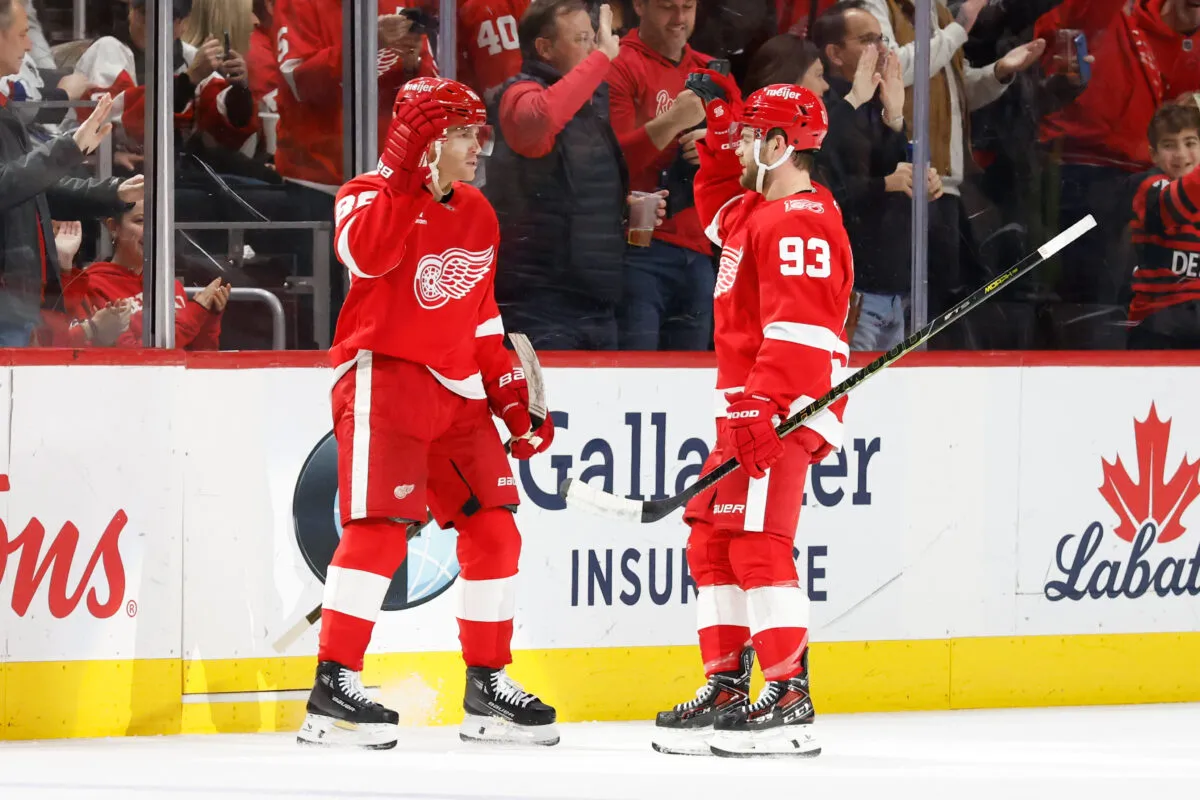
Larkin Request Shifts Offseason Timeline
Steve Yzerman remains general manager with full authority over the June 2026 trade market. Larkin has requested a move to Minnesota, Vegas or Florida according to The Fourth Period reporting. The captain has appeared in more Olympic games than Stanley Cup playoff games during his Detroit tenure. Yzerman prefers a futures package of prospects and draft picks over a talent-for-talent swap. Any deal finalized before the June 26 draft will reset the club’s competitive window by at least two additional seasons.
Detroit finished the 2025-26 season with 92 points, 10 points behind the final playoff spot in the Atlantic. Larkin’s $8.7 million cap hit through 2030-31 becomes movable only if the return accelerates the rebuild rather than delays it. Three teams have already expressed interest while additional clubs monitor the situation through intermediaries. Yzerman’s handling of the asking price will determine whether the return includes first-round picks from 2027 onward or merely mid-round selections.
Ripple Effects on Key Veterans
Alex DeBrincat signed with Detroit to play alongside Larkin and Patrick Kane. He enters the final year of his contract with a 16-team no-trade list. If Larkin departs in a primarily futures-driven deal, DeBrincat’s willingness to remain through another rebuild phase becomes uncertain. Kane’s potential return hinges on the same competitive outlook; a prolonged absence from the playoffs reduces his incentive to re-sign.
The Red Wings would then pivot roster construction around Lucas Raymond and Moritz Seider. Both players have established themselves as core pieces, yet neither has reached a conference final. Without Larkin’s 60-plus point production, the top-six scoring depth drops by at least 25 goals based on 2025-26 regular-season totals. DeBrincat’s 16-team list limits destinations should he request a trade, further complicating any secondary moves Yzerman attempts before training camp.
Prospect Influx Versus Immediate Competitiveness
A Larkin trade that yields multiple first-round picks and NHL-adjacent prospects extends the rebuild into the 2028-29 season at minimum. Buffalo required 14 years and multiple reset cycles to end its drought; Detroit risks repeating that timeline if the return lacks immediate contributors. Florida and Toronto project bounce-back campaigns, widening the Atlantic gap. Ottawa and Montreal have already surpassed Detroit in prospect development and cap flexibility.
Yzerman has signaled openness to a third team to facilitate the assets he values most. Historical precedent shows he waited for the optimal market when trading Matt Duchene out of Colorado. Larkin must approve any destination, limiting leverage. The resulting prospect pool could include players on the cusp of NHL rosters, yet those additions rarely translate to playoff qualification within two seasons. The 2026-27 point total is projected to fall below 85 without a complementary veteran acquisition.
The club’s active offseason plans now hinge on maximizing Larkin’s value while retaining control over the remaining core. Any deal that fails to include at least one top-15 protected pick or a 22-and-under NHL-ready forward prolongs the current cycle.
Frequently Asked Questions
Sources

Par Mike Jonderson
Mike Jonderson is a passionate hockey analyst and expert in advanced NHL statistics. A former college player and mathematics graduate, he combines his understanding of the game with technical expertise to develop innovative predictive models and contribute to the evolution of modern hockey analytics.