

















The 2025-26 NHL season has reshaped the fantasy hockey landscape with emerging superstars, surprising breakouts, and significant injuries to marquee names. As Thanksgiving approaches, managers are either preparing for upcoming drafts or looking to optimize their rosters through trades and waiver wire moves. The top of the fantasy hockey rankings 2025-26 features familiar faces but with some notable shifts that could dramatically impact your championship aspirations.
Understanding these rankings requires more than just memorizing names. The difference between standard category leagues and points-based formats has never been more pronounced, with certain players gaining or losing significant value depending on your league’s scoring system. This comprehensive guide breaks down the elite tier, identifies the most valuable assets at each position, and provides strategic insights to dominate your league whether you’re drafting tomorrow or fine-tuning a roster for the playoff push.
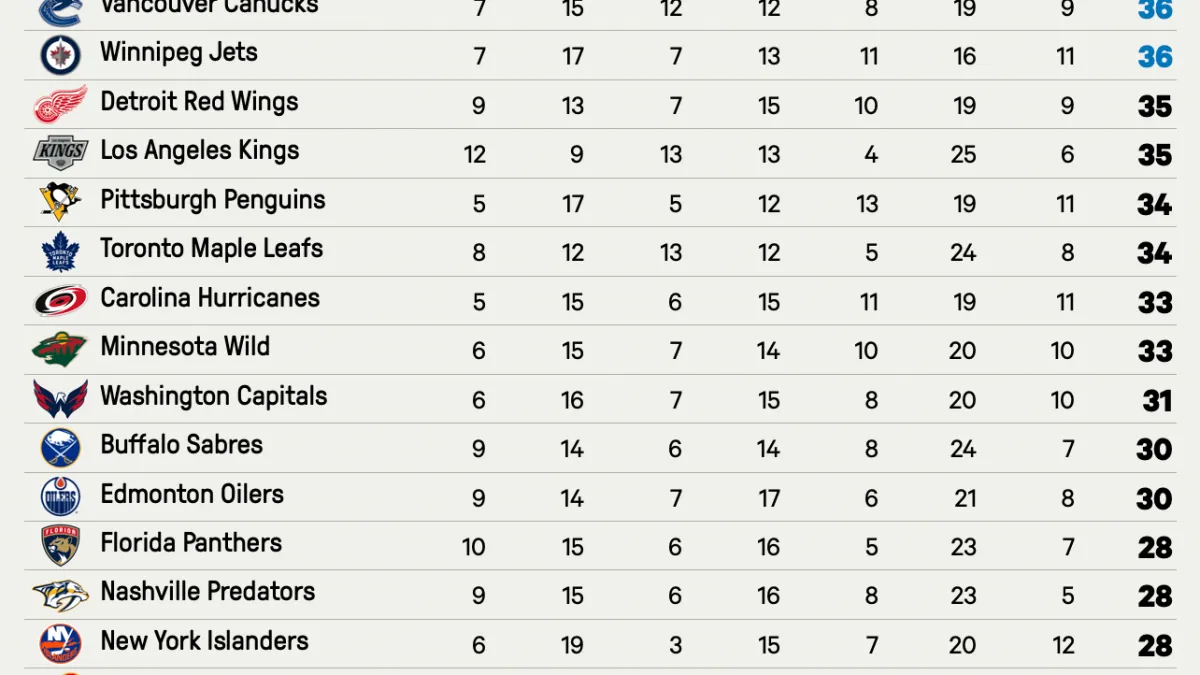
Elite tier superstars in fantasy hockey rankings 2025-26
Nathan MacKinnon sits atop most expert consensus rankings, and for good reason. The Colorado Avalanche center continues to produce at an elite pace across all categories, making him the safest first overall pick in standard formats. His multi-category dominance in goals, assists, power-play points, shots on goal, and even hits gives him a rare floor-ceiling combination that fantasy managers covet. MacKinnon’s ability to stay relatively healthy while playing massive minutes in all situations separates him from the pack.
Connor McDavid presents an interesting debate for the top spot, particularly in points-based leagues. While he ranks eighth in ESPN’s rest-of-season projections, his explosive offensive potential remains unmatched. The Oilers captain’s ability to single-handedly carry categories like assists and power-play points makes him a perennial threat for 100+ point seasons. However, his relative lack of hits and blocked shots compared to MacKinnon creates a gap in standard category leagues that savvy drafters must consider.
Leon Draisaitl rounds out the consensus top three, offering a unique blend of center and wing eligibility in most platforms. His connection with McDavid on Edmonton’s power play provides a reliable floor for offensive production, while his own line-driving ability at even strength showcases his independence as a fantasy asset. The German forward’s durability and consistency over the past five seasons make him arguably the safest investment among the Oilers’ dynamic duo.
The gap between these three and the rest of the field widens when you examine peripheral categories. While players like Nikita Kucherov, Jack Eichel, and Connor Bedard offer elite offensive potential, they lack the multi-category punch that MacKinnon, McDavid, and Draisaitl provide. This tier represents the “can’t-miss” portion of fantasy hockey rankings 2025-26, where draft position matters less than simply securing one of these foundational pieces.
Forward dominance and emerging talent
Matt Boldy’s meteoric rise to ninth overall in ESPN’s rest-of-season rankings exemplifies the changing guard in fantasy hockey. The Minnesota winger has matched Kirill Kaprizov’s production while nearly doubling his peripheral contributions in hits and blocked shots. Boldy’s emergence creates a fascinating dilemma for fantasy managers: pay a premium for the established star in Kaprizov or target his younger, more diversified teammate at a fraction of the cost. This dynamic duo in Minnesota has become must-watch television and must-draft fantasy assets.
Macklin Celebrini’s inclusion in the top ten of many fantasy hockey rankings 2025-26 represents the ultimate test of prospect hype versus reality. The San Jose Sharks rookie has flashed elite skill and immediately stepped into a top-line role, but fantasy managers must balance his long-term upside against the proven production of veterans like David Pastrnak and Jason Robertson. Celebrini’s power-play deployment and shot volume suggest the early returns will justify the draft capital, though manager patience may be required through rookie growing pains.
The forward position runs deeper than ever, with quality options extending well into the middle rounds. Wyatt Johnston’s evolution in Dallas, John Tavares’ resurgence in Toronto, and Brady Tkachuk’s unique category-dominant profile create a second tier of forwards who can anchor championship rosters. Each offers a different path to fantasy value—Johnston provides youthful upside, Tavares offers proven consistency, and Tkachuk delivers rare power-forward peripherals. Understanding these distinctions becomes crucial when constructing a balanced roster.
Injuries to stars like Matthew Tkachuk and Jack Hughes have created temporary value adjustments that alert managers can exploit. While their absence hurts fantasy rosters in the short term, their eventual return could provide playoff-week boosts at discounted acquisition costs. The fantasy hockey rankings 2025-26 must account for both current production and future potential, making injury timelines a critical piece of the puzzle.
Defensemen redefining positional value
Cale Makar stands alone as the only defenseman worthy of first-round consideration in most formats. His offensive production rivals top-tier forwards, while his power-play quarterback role with Colorado ensures consistent point production. Makar’s ability to contribute across all categories, including shots and hits, makes him the rare blueliner who doesn’t require categorical sacrifice. Fantasy managers drafting in the back half of the first round should strongly consider Makar as a positional differentiator.
The next tier of defensemen reveals the depth and diversity available at the position. Quinn Hughes, Zach Werenski, and Miro Heiskanen each offer elite puck-moving ability and power-play mastery, while players like Rasmus Dahlin and Evan Bouchard provide category-specific dominance. The strategic decision between drafting an elite defenseman early or waiting for value later in drafts defines many championship runs. The NHL.com rankings suggest waiting might be wiser, with only Makar appearing in the top twenty.
Rookie defensemen are making unprecedented impacts this season. Lane Hutson in Montreal and Artyom Levshunov in Chicago have immediately stepped into top-pairing roles, providing fantasy managers with cheap access to power-play points and shots on goal. These youthful contributors often provide the best return on investment in fantasy hockey rankings 2025-26, as their ADP remains suppressed despite clear path to significant ice time and offensive opportunity.
Category specialists at defense require careful roster construction to maximize value. Players like Jakob Chychrun and Mike Matheson contribute heavily in hits and blocked shots while providing adequate offensive numbers. Pairing these defensemen with elite offensive options creates a balanced approach that can dominate category-based leagues. The key is identifying which categories your roster needs and targeting the appropriate specialist without reaching too far from projected value.
Goaltending volatility and strategic approach
The 2025-26 goaltending landscape has been turned upside down by injuries and surprising performances. Andrei Vasilevskiy’s return to dominance places him third overall in ESPN’s rest-of-season rankings, a testament to his workload and the Tampa Bay Lightning’s defensive structure. His ability to accumulate wins, saves, and shutouts while maintaining strong ratios makes him a legitimate first-round consideration in formats that heavily weight goaltending.
Logan Thompson’s emergence as the Washington Capitals’ workhorse represents one of the season’s biggest surprises. Ranked fifth overall by ESPN and second among goalies, Thompson has capitalized on a heavy workload and strong team defense to become a fantasy juggernaut. His ADP during draft season likely ranged from the middle to late rounds, rewarding patient managers with elite production. This performance underscores the volatility inherent in goaltending projections and the value of targeting workhorses on competitive teams.
Igor Shesterkin’s presence in the top ten despite the New York Rangers’ early-season struggles highlights the importance of individual talent over team performance. His ability to maintain strong ratios while facing heavy shot volumes creates a safe floor for fantasy managers. The Russian netminder’s draft price likely depressed due to roster turnover concerns, yet his personal excellence has transcended team context.
The injury bug has devastated the goaltending position, with Connor Hellebuyck, Thatcher Demko, and Juuse Saros all missing significant time. Fantasy hockey rankings 2025-26 must account for these absences while also projecting their impact upon return. Managers who invested early picks in these netminders have struggled to stay competitive, while those who implemented the “waiting on goalie” strategy and targeted value plays like Thompson and Jeremy Swayman have thrived.
Breakout candidates and undervalued assets
The 2025-26 rookie class ranks among the deepest in recent memory, with immediate fantasy contributors emerging throughout the draft. Ivan Demidov in Montreal, Matvei Michkov in Philadelphia, and Beckett Sennecke in Anaheim have all shown flashes of elite potential while providing immediate category coverage. Fantasy managers in keeper leagues should prioritize these rookies, while redraft players can target them as high-upside bench stashes.
Sophomore breakouts are defining league championships, with players like Wyatt Johnston, Leo Carlsson, and Logan Cooley taking significant leaps in production. These second-year players often get overlooked in drafts as managers chase bigger names, creating value opportunities for savvy drafters. Their improved deployment, increased confidence, and physical maturation combine to create fantasy monsters who outperform their ADP significantly.
Veteran resurgences provide another path to value, particularly in category leagues. Brad Marchand’s move to Florida has reinvigorated his offensive production while maintaining his elite peripheral contributions. Similarly, John Tavares has found new life in Toronto’s top-six, providing center depth that rivals any team in the league. These veterans often get drafted based on name recognition rather than current role, creating arbitrage opportunities for managers who recognize their renewed situations.
The key to exploiting these breakout candidates lies in understanding usage patterns. Power-play time, line deployment, and even strength ice time tell the real story behind surface-level statistics. Fantasy hockey rankings 2025-26 that incorporate these underlying metrics provide a significant edge over competitors who rely solely on point totals. Tools like Natural Stat Trick and evolving-hockey can illuminate which players are producing efficiently versus those benefiting from unsustainable shooting percentages.
Draft strategy and roster construction essentials
Building a championship roster requires understanding positional scarcity and category balance. The elite center tier runs deep, with quality options available into the middle rounds. This depth suggests targeting wingers and defensemen in early rounds, particularly those who contribute uniquely across multiple categories. The NHL.com top twenty includes just five centers, indicating that loading up on scarce positions early while waiting on centers creates optimal roster construction.
Goalie strategy remains the most divisive topic in fantasy hockey. The “wait on goalie” approach has gained popularity after years of unpredictable performance, yet the early-season success of Vasilevskiy and Thompson suggests elite options still exist. The optimal approach likely involves either selecting one elite netminder in the first five rounds or waiting until the double-digit rounds to stream multiple options. Your strategy should align with your league’s scoring system and roster requirements.
The value of multi-position eligibility cannot be overstated in fantasy hockey rankings 2025-26. Players like Draisaitl, who offers both center and wing eligibility, provide roster flexibility that becomes crucial during bye weeks and injuries. Similarly, defensemen who occasionally slot in at forward create strategic advantages for daily lineup management. Targeting these versatile players, even at a slight premium, often pays dividends over a long season.
Category punting requires careful consideration of your league’s scoring system. In standard Yahoo leagues, attempting to compete in all six categories often leads to mediocrity. Instead, identifying two categories to dominate while remaining competitive in the remaining four creates a clearer path to the playoffs. For example, building around high-volume shooters and hit specialists while streaming goalies can create a sustainable competitive advantage. The key is committing to your strategy early and executing consistently through draft and in-season management.
The fantasy hockey rankings 2025-26 will continue evolving as injuries mount and roles solidify. Staying active on the waiver wire, monitoring line combinations, and understanding schedule strength become increasingly important as the season progresses. Managers who combine strong draft strategy with in-season diligence consistently find themselves competing for championships. The data suggests that rostering players from high-scoring teams, targeting power-play specialists, and maximizing games played provide the clearest path to fantasy glory.
Frequently Asked Questions

Par Mike Jonderson
Mike Jonderson is a passionate hockey analyst and expert in advanced NHL statistics. A former college player and mathematics graduate, he combines his understanding of the game with technical expertise to develop innovative predictive models and contribute to the evolution of modern hockey analytics.