











The Florida Panthers received a wave of optimism this week as star forward Matthew Tkachuk returned to the ice for the first time since hoisting the Stanley Cup in June. However, the organization is maintaining a cautious approach, with head coach Paul Maurice emphasizing that a definitive return to play date remains to be determined.
Tkachuk underwent surgery on August 22 to repair a torn adductor muscle and sports hernia, injuries that plagued him throughout the Panthers’ championship run last season. After months of rehabilitation, the 27-year-old winger laced up his skates twice last week in Fort Lauderdale, marking his first legitimate on-ice activity since Game 6 of the Stanley Cup Final against the Edmonton Oilers.
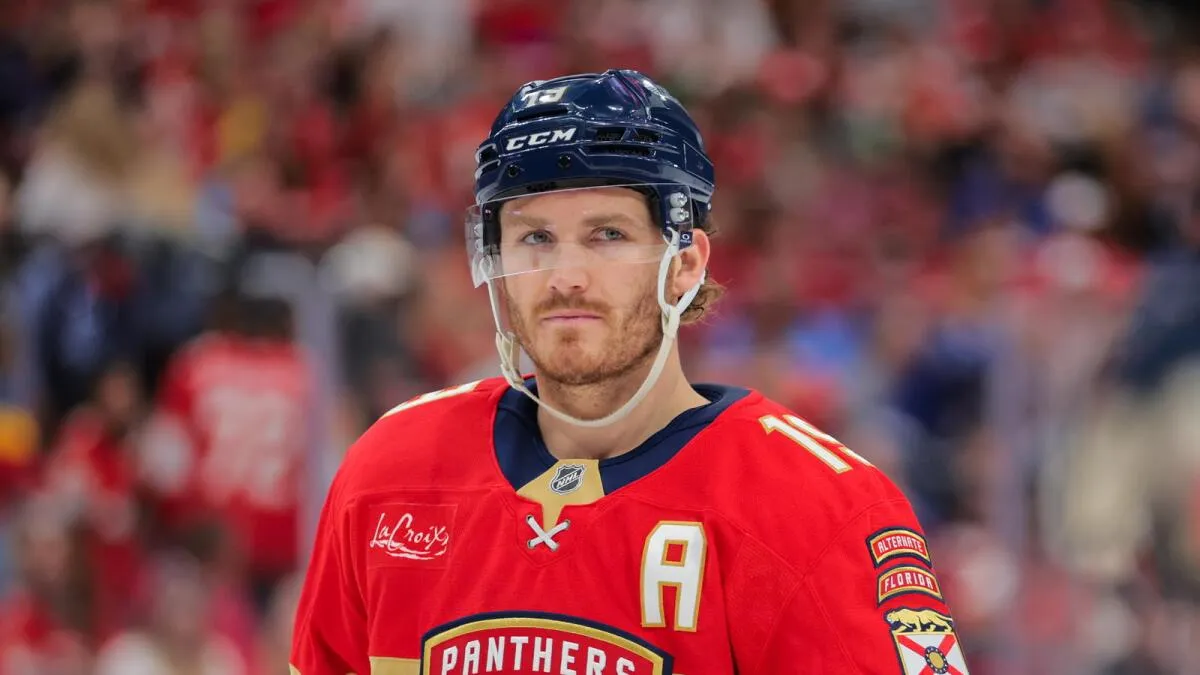
Tkachuk’s recovery progress and monitored return
The recovery process has been methodical and deliberately slow. Speaking on the “Wingmen” podcast with his brother Brady, Tkachuk admitted the experience felt surreal after such an extended absence from the ice. Coach Maurice confirmed that the team is implementing a carefully structured schedule to manage Tkachuk’s workload and prevent setbacks.
“I’m just excited to get out with the boys,” Tkachuk said during the podcast. “I don’t know when that’s going to be, but it’s obviously kind of getting over that hump and sooner rather than later. It’s starting to trend really, really well.”
The Panthers’ medical staff has established specific strength and power benchmarks that Tkachuk must achieve before advancing to the next phase of his rehabilitation. Currently, he alternates between skating days and training days to minimize soreness and inflammation. The team has even withheld his hockey stick during these early sessions, a precautionary measure to prevent the competitive forward from pushing himself too aggressively before his body is ready.
Maurice emphasized the milestone-based approach during a recent press conference. “He hit the ice twice last week before he went back to see the doctor,” Maurice explained. “He is on an on-off schedule; he skates one, then trains one just to keep the soreness out. He will stay on that [schedule] until he hits certain markers where he has enough power and strength.”
The significance of Tkachuk’s absence for Florida
The Panthers have navigated the first quarter of the season without two of their most influential leaders. Captain Aleksander Barkov remains sidelined after tearing his ACL during the first practice of training camp, creating a massive void in the team’s top-line center position. Tkachuk’s absence compounds this challenge, as his combination of physical play, scoring ability, and emotional leadership proved irreplaceable during last season’s playoff run.
During the postseason, Tkachuk amassed 23 points (8 goals, 15 assists) across 23 games despite playing through significant pain. His performance in the Stanley Cup Final alone included seven points against the Oilers, showcasing his ability to elevate his game when it mattered most. The injuries originated during the 4 Nations Face-Off in February, causing him to miss the final 25 regular-season games before he heroically returned for the playoffs.
Florida’s current record stands at 12-9-1, placing them sixth in the competitive Atlantic Division. The team has managed to stay afloat thanks to contributions from remaining veterans like Sam Reinhart, Aaron Ekblad, and Sergei Bobrovsky, but the absence of their emotional catalyst has been palpable. The organization initially projected a December return for Tkachuk, though Maurice has refrained from committing to any specific timeline publicly.
Mapping Tkachuk’s path back to game action
The rehabilitation timeline for sports hernia and adductor repairs typically spans several months, with athletes requiring extensive strengthening of the core and lower body before returning to full contact. Tkachuk described his recovery as a “month to month” process, acknowledging that rushing back could jeopardize both his immediate effectiveness and long-term health.
Several key milestones must occur before Tkachuk can rejoin his teammates:
- Continued monitored skating without pain or setback
- Integration of stick handling and puck work into solo sessions
- Participation in full practice with contact
- Clearance for game action from medical staff
The progression from solo skating to team practices represents a significant hurdle, as the intensity and unpredictability of practice drills test injured areas in ways that controlled skating cannot replicate. Once Tkachuk demonstrates he can handle practice demands without limitation, the team will likely schedule several additional sessions before clearing him for game duty.
The absence of a firm return date has frustrated eager fans but reflects the unpredictable nature of core muscle recovery. Each athlete heals differently, and the Panthers’ training staff is prioritizing caution over speed to ensure Tkachuk’s return is sustainable rather than temporary.
Panthers’ championship aspirations amid adversity
Florida’s pursuit of a third consecutive Stanley Cup faces unprecedented challenges. No NHL franchise has achieved a three-peat since the New York Islanders captured four straight championships from 1980-83. The modern salary cap era makes roster continuity difficult, and the physical toll of deep playoff runs accumulates significantly.
Beyond Barkov and Tkachuk, the Panthers are managing several other significant injuries. Forwards Tomas Nosek and Jonah Gadjovich, defenseman Dmitry Kulikov, and prospect Cole Schwindt are all sidelined with long-term ailments. This injury crisis has forced younger players into larger roles and tested the organization’s depth in ways that championship teams rarely experience in October and November.
Coach Maurice has reframed the adversity as a potential advantage, suggesting that surviving this challenging period could make the team more resilient come playoff time. “The silver lining is, you potentially become bulletproof to injuries in the playoffs if you can figure out how to survive this now,” Maurice noted. He emphasized that the team cannot afford to wait for healthy players to return, stating, “None of these guys are going to be back for five months, so no sense waiting.”
Olympic considerations and future implications
Both Matthew and Brady Tkachuk were among the first six players selected to represent Team USA at the 2026 Winter Olympics in Milan-Cortina, scheduled for February. This international commitment adds another layer of complexity to Matthew’s rehabilitation timeline, as he aims to be not just healthy enough for NHL play but in optimal condition for Olympic competition.
The Winter Classic against the New York Rangers on January 2 at LoanDepot Park presents another target date for Tkachuk’s potential return. To participate in this marquee outdoor game, Tkachuk would need to return to action by late December at the latest, allowing time for several games to readjust to game speed before the special event.
For now, the Panthers and their star forward remain focused on the incremental progress that will eventually lead to his return. As Tkachuk himself stated, the initial skating sessions provided both physical and psychological relief after months of rehabilitation work. “After months of grinding, you’re thinking about that first skate and just hoping you feel good,” he reflected. “Then you feel good and you can build off of that.”
What it means for the championship chase
Florida’s ability to remain competitive without its two superstars will determine their playoff positioning when Tkachuk eventually returns. If the Panthers can maintain contact with the Atlantic Division leaders through December and January, a healthy Tkachuk rejoining the lineup for the stretch run could transform them from a playoff participant into a legitimate championship threat once again.
The organization’s patience with his recovery suggests confidence in the team’s ability to weather the storm. However, every week without Tkachuk increases the pressure on remaining veterans and raises the stakes for his eventual comeback. When he does return, expectations will be enormous—not just for his individual performance, but for his ability to reignite the team’s championship DNA.
The timeline remains fluid, but one thing is certain: Matthew Tkachuk’s return to health represents the single most important variable in Florida’s quest for hockey immortality. The Panthers will take their time ensuring it’s done right, because they know their season—and potentially their legacy—depends on having their emotional leader at full strength when the games matter most.
Frequently Asked Questions

Par Mike Jonderson
Mike Jonderson is a passionate hockey analyst and expert in advanced NHL statistics. A former college player and mathematics graduate, he combines his understanding of the game with technical expertise to develop innovative predictive models and contribute to the evolution of modern hockey analytics.