









The hockey world stood still this past weekend when longtime NHL player-turned-coach Kevin Dineen revealed he has been diagnosed with pancreatic cancer. The 62-year-old posted a heartfelt message on social media during Thanksgiving, sharing his health battle with fans, former teammates, and the broader hockey community. Dineen’s announcement has sparked an outpouring of support from across the sports world, highlighting the profound impact he made during his nearly four decades in professional hockey.
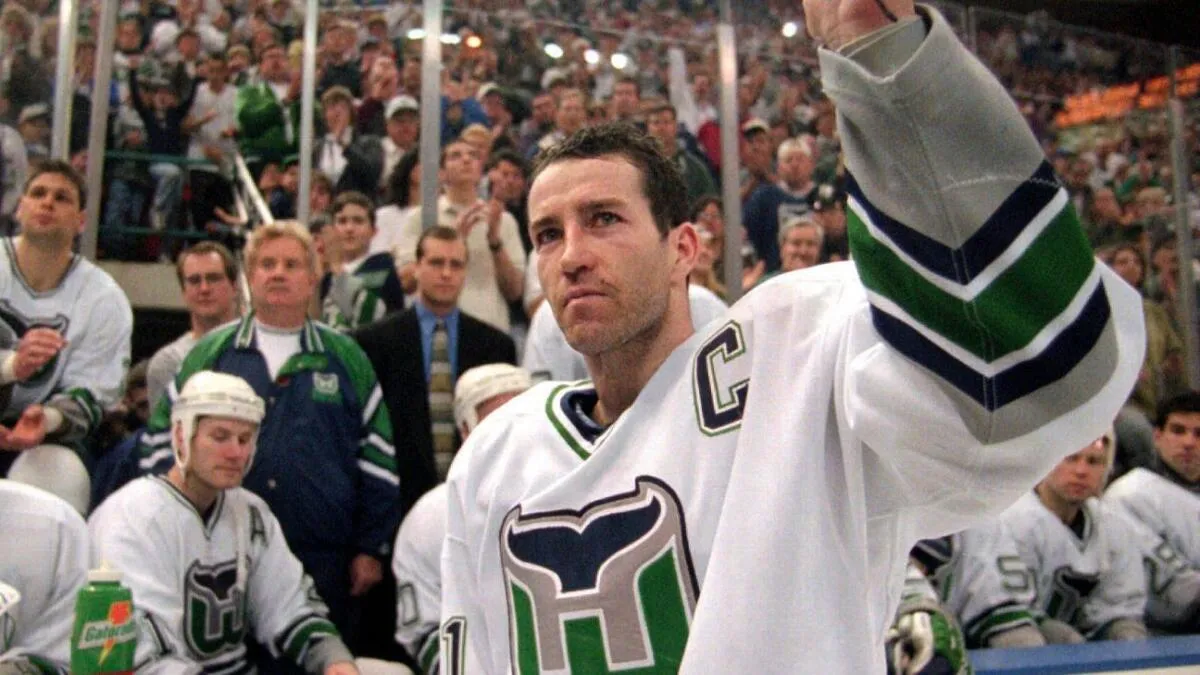
Former NHL player Kevin Dineen pancreatic cancer diagnosis revealed during holiday weekend
Kevin Dineen chose Thanksgiving weekend to publicly share his health battle, posting a message that immediately captured the attention of the hockey world. “This Thanksgiving feels a bit different,” Dineen wrote on social media, establishing a tone of reflection and gratitude even in the face of adversity. The timing of his announcement, during a holiday centered on family and thankfulness, underscored the perspective his diagnosis has brought to his life.
The former player and coach revealed that he received his pancreatic cancer diagnosis several months ago, suggesting he has already been undergoing treatment privately while processing the life-altering news. Rather than sharing specific details about his prognosis or treatment plan, Dineen focused his message on the emotional and psychological aspects of his journey. His approach reflects the stoicism and team-first mentality that characterized his entire hockey career.
What made Dineen’s announcement particularly powerful was its universal message. While rooted in his personal experience, his words extended far beyond his own circumstances. This approach has become a hallmark of Dineen’s public persona—always connecting individual experiences to broader community values. His decision to share his story publicly demonstrates the same leadership qualities that made him a captain and respected coach throughout his career.
A legendary playing career that spanned nearly two decades
Kevin Dineen’s impact on professional hockey began long before his coaching days. As a feisty winger known for his work ethic and physical play, he appeared in over 1,200 regular-season and playoff games across an impressive 18-year career from 1984 to 2002. His journey through the NHL saw him represent four different franchises, each leg of his career adding another chapter to his enduring legacy.
The foundation of Dineen’s professional career was laid during his college years at the University of Denver, where he developed into a promising prospect. The Hartford Whalers recognized his potential, selecting him in the third round of the 1982 NHL draft. This investment would pay tremendous dividends for the franchise, as Dineen evolved into one of the organization’s most beloved players and eventually its captain.
Throughout his playing career, Dineen amassed 355 goals across 1,188 professional games, according to NHL.com. His offensive contributions were matched by his physical presence and leadership qualities, earning him two NHL All-Star selections. These honors validated his reputation as one of the league’s most complete players—a forward who could score goals while playing a tough, defensively responsible game that coaches valued immensely.
From Hartford Whalers captain to NHL All-Star
Dineen’s connection with the Hartford Whalers franchise remains the most celebrated chapter of his playing career. As captain of the team, he embodied the gritty, hardworking identity that Whalers fans cherished. His leadership extended beyond simple point production, though his scoring touch certainly helped—his 355 career goals reflect a consistent offensive threat who could be counted on in crucial moments.
The Whalers’ eventual relocation to Carolina marked a transition period for Dineen, but his value as a veteran leader only increased. His experience and professionalism made him a sought-after player for teams looking to strengthen their locker room and improve their competitive edge. The Philadelphia Flyers, Ottawa Senators, and Columbus Blue Jackets all benefited from his presence during the final years of his career.
What distinguished Dineen from many of his contemporaries was his adaptability. As the NHL evolved during his nearly two-decade career, he successfully adjusted his game to remain effective. His physical style never wavered, but his understanding of systems play and defensive responsibility kept him relevant long after many players from his draft class had retired. This adaptability would serve him well in his second career behind the bench.
Transition to coaching: Olympic gold and Stanley Cup glory
After hanging up his skates in 2002, Dineen briefly explored scouting and management roles before discovering his true calling as a coach. His transition behind the bench proved seamless, as he translated his on-ice intelligence and natural leadership into tactical expertise and player development skills. The coaching world quickly recognized his potential, leading to increasingly prestigious opportunities.
Dineen’s coaching breakthrough came when he was named head coach of the Florida Panthers for the 2011-12 season. During his two-plus seasons with the Panthers, he demonstrated the same passionate approach that defined his playing days. While his tenure with Florida ended in November 2013, it established him as a legitimate NHL bench boss capable of handling the pressures of professional coaching at its highest level.
Perhaps Dineen’s most memorable coaching achievement came in 2014 when he was selected as a late replacement to coach Canada’s women’s national team at the Sochi Winter Olympics. Under his guidance, Canada captured the gold medal in dramatic fashion, cementing Dineen’s legacy as a coach who could excel on the world’s biggest stage. The victory showcased his ability to quickly build trust and implement systems with a new group of players under immense pressure.
The pinnacle of Dineen’s coaching career arrived in 2015 when his name was engraved on the Stanley Cup as an assistant coach with the Chicago Blackhawks. Working alongside some of hockey’s brightest minds, Dineen contributed to a championship organization that exemplified excellence and professionalism. This achievement placed him in elite company—few individuals have both played and coached at such an elite level in hockey.
Hockey community rallies around former NHL player Kevin Dineen pancreatic cancer diagnosis
The response to Dineen’s announcement has been immediate and overwhelming, with former teammates, players he coached, and hockey fans flooding social media with messages of support. This groundswell of encouragement reflects the deep respect Dineen earned throughout his career, both for his professional accomplishments and his personal character. The hockey community has closed ranks around one of its own, demonstrating the same solidarity Dineen preached in his announcement.
Former players from his Hartford days have been particularly vocal, sharing stories of Dineen’s leadership and toughness. Current NHL coaches who worked alongside him have praised his tactical mind and mentorship abilities. Perhaps most touching have been the messages from players he coached at various levels, many crediting Dineen with shaping their careers and personal development.
Dineen’s inspiring message: “No fight is faced alone”
The most powerful element of Dineen’s announcement was his deliberate focus on community and shared struggle. “I wanted to share my news because hockey has taught me that no fight is faced alone,” he wrote, encapsulating decades of locker room wisdom in a single sentence. This sentiment reflects the core values of team sports while extending them to the realm of personal health battles.
Dineen continued his message with direct encouragement for others facing their own challenges: “For anyone out there battling something heavy—whether it’s cancer or another fight entirely—I want you to know you are not alone.” This extension of solidarity beyond his own circumstances demonstrates the leadership mindset that made him a captain and successful coach. Rather than making his announcement solely about his personal struggle, Dineen transformed it into a message of hope for thousands facing similar battles.
The choice to emphasize community over individual struggle reveals much about Dineen’s character. Throughout his career, he was never the most naturally talented player on his teams, but he consistently maximized his potential through hard work, determination, and an understanding that success requires collective effort. These same qualities now define his approach to fighting cancer, as he draws strength from his support network while inspiring others to do the same.
Former teammates have noted that this perspective is classic Dineen—always thinking about the team first, always looking for ways to lift others up even when facing personal challenges. His message serves as a reminder that the lessons learned through sport—resilience, teamwork, and mental fortitude—have applications far beyond the ice.
Dineen’s road ahead and lasting legacy
As Kevin Dineen begins this difficult chapter of his life, he does so with the same determination that characterized his entire hockey journey. While pancreatic cancer presents significant challenges, Dineen approaches his treatment with the support of his family, friends, and the entire hockey community. His decision to go public with his diagnosis ensures that this support network can actively rally around him during the months ahead.
The timing of his announcement, during Thanksgiving, provides a framework for how Dineen is approaching his battle. Rather than focusing solely on the difficulties ahead, he has chosen to emphasize gratitude for his support system and the life he has lived. This positive, forward-looking perspective will serve him well as he navigates treatment and recovery.
Dineen’s legacy in hockey was already secure before this diagnosis. As a player, he exemplified the heart-and-soul contributor that every championship team needs. As a coach, he reached the highest levels of success at both the Olympic and professional levels. But how he handles this latest challenge may well define how he is remembered—not just as an athlete or coach, but as a person who faced adversity with grace, courage, and an unwavering commitment to helping others.
The hockey community will undoubtedly continue to follow Dineen’s journey, offering support and celebrating his progress. His story serves as a powerful reminder that the values we learn through sport—perseverance, teamwork, and mental fortitude—prepare us for life’s most significant challenges. As Dineen wrote in his announcement, no fight is faced alone, and the entire hockey world stands ready to support one of its most respected members through this battle.
The timing also raises important questions about health monitoring for former athletes. While pancreatic cancer isn’t typically linked to athletic activity, awareness of health changes becomes increasingly important as players age. Dineen’s willingness to share details about his diagnosis might encourage other former players to schedule regular check-ups and address concerning symptoms promptly.
Research into pancreatic cancer treatment continues advancing, with new therapies emerging that offer hope where little existed before. Clinical trials exploring immunotherapy, targeted treatments, and early detection methods show promise. Increased awareness often translates to increased research funding, creating a cycle of hope for future patients who will face this diagnosis.
Kevin Dineen’s fight against pancreatic cancer represents more than one man’s battle with a terrible disease. It showcases the enduring strength of hockey’s community, the power of vulnerability, and the importance of using one’s platform to help others. As he faces this challenge, Dineen carries with him the support of teammates, players, coaches, and fans who have witnessed his toughness firsthand.
His message that “no fight is faced alone” will likely become a rallying cry throughout his treatment, reminding everyone touched by cancer that community matters. For a man who spent his life in hockey’s trenches, teaching and embodying resilience, the sport that taught him to never give up now stands with him as he takes on his toughest opponent yet.
Frequently Asked Questions

Par Mike Jonderson
Mike Jonderson is a passionate hockey analyst and expert in advanced NHL statistics. A former college player and mathematics graduate, he combines his understanding of the game with technical expertise to develop innovative predictive models and contribute to the evolution of modern hockey analytics.