NHL commissioner Gary Bettman addressed reporters in Milan, emphasizing the league’s enhanced access to Olympic content compared to past Games. Speaking at a joint news conference with NHL Players’ Association executive director Marty Walsh and International Ice Hockey Federation president Luc Tardif, Bettman highlighted flexibility from the IOC and IIHF on intellectual property and coverage.[1][2]
This marks the NHL’s return to the Olympics after skipping 2018 and missing 2022 due to pandemic issues. Players and fans alike have pushed for best-on-best competition, and now with the 2026 Milan-Cortina Winter Olympics underway, the focus is on visibility during the league’s mid-season pause.
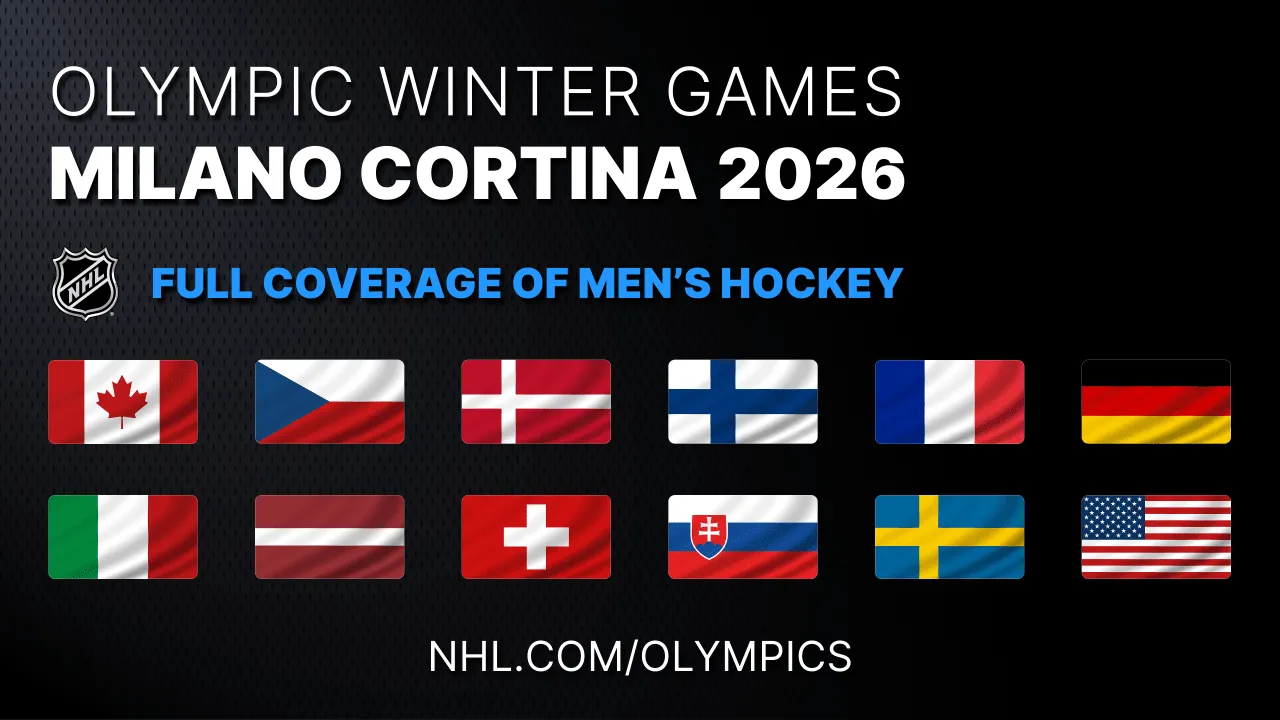
Advancements in media rights and visibility
Bettman noted specific improvements, such as players creating social media content as Olympic athletes and the NHL’s ability to repost it. Shared logo usage also helps maintain the league’s presence.[1]
“I do believe that both the IOC and IIHF have been a tad more flexible in terms of the things that we can do, particularly with respect to intellectual property and how the games are covered so that we don’t completely disappear for a couple of weeks,” Bettman said.
The NHL’s unique position sets it apart from other Olympic sports. Pausing the regular season mid-way imposes significant logistical challenges, a point Bettman stressed has gained more recognition from Olympic organizers.
This flexibility addresses past frustrations, like missing iconic moments such as Sidney Crosby’s golden goal in 2010 or T.J. Oshie’s shootout heroics in 2014. For more on the tournament’s early action, see the 2026 Milan Cortina Olympics men’s hockey standings and schedule.
These changes ensure NHL fans stay connected, even as top stars compete internationally.
Players’ long-standing desire for Olympic return
Marty Walsh, who stepped away from his U.S. Cabinet role to lead the NHLPA, underscored the players’ passion. “Hockey fans and players want to see best on best,” Walsh said.[1]
From his early days at the union, Olympic participation topped players’ agendas. The successful 4 Nations Face-Off last year reinforced that momentum.
Now in Milan for the first time in 12 years, the NHL views this as a priority fulfilled through collective effort. Walsh called it an honor to make it reality.
The sentiment echoes across rosters. For instance, the U.S. team, led by Auston Matthews, enters with gold-medal ambitions and NHL-heavy lineups. Details on their preparations are available in U.S. men’s hockey ready to chase Olympic gold in Milan.
This player-driven push strengthens the league’s international appeal.
Overcoming arena construction hurdles
Bettman once voiced concerns over the Milano Santagiulia Arena’s slow build in 2023. Now, with games underway inside the finished venue, he credits league and union efforts for “consciousness-raising” to meet deadlines.
“We’re here, we’re playing the games and that’s what we’re focused on,” Bettman said. Post-event debriefs will follow if needed.
Tardif, eyeing 2030 in the French Alps, suggested expanding seating capacity given global fan demand. “All of the fans all over the world, they deserve it,” he noted.
These resolutions pave the way for smooth operations, contrasting earlier worries about ice quality and timelines.[3]
The on-time delivery shifts focus back to the ice.
No World Cup discussions amid Olympic focus
A year after announcing a 2028 World Cup of Hockey, Bettman and Walsh avoided details. “Once we get done with the Olympics, there’ll be some announcements,” Bettman said.
Progress continues internally, but timing deems it premature. The IIHF has a framework ready, though European leagues may pause for rosters.
Russia remains barred per IOC rules due to the Ukraine conflict. Bettman said the NHL would align with international standards.
This keeps attention on Milan, building toward a potential every-two-years international cycle. Full details on the participation agreement are here on NHL.com.[4]
Sticking with the current points system
Internationally, wins in regulation earn three points, differing from the NHL’s two-for-win model. No shift is planned.
“We like what we have, and we like the way it plays out over our 82-game season and our playoffs,” Bettman explained. Players haven’t raised it either.
This consistency prioritizes the NHL product. Walsh confirmed no internal push for change.
The decision underscores confidence in the existing format amid Olympic differences.
As Milan unfolds, these developments signal a maturing NHL-Olympics partnership. Enhanced content access keeps the league visible, satisfying players and fans craving elite matchups. Looking to 2030 and a possible World Cup, expect continued evolution, ensuring hockey’s global stage thrives.[1]
Frequently Asked Questions

Par Mike Jonderson
Mike Jonderson is a passionate hockey analyst and expert in advanced NHL statistics. A former college player and mathematics graduate, he combines his understanding of the game with technical expertise to develop innovative predictive models and contribute to the evolution of modern hockey analytics.