Hockey’s colorful vocabulary extends far beyond standard terminology, creating a unique dialect that bonds players, fans, and anyone who spends time around the rink. From the locker room to the ice surface, these hockey slang terms for players define personalities, roles, and characteristics that make the sport’s culture so distinctive. Whether you’re trying to understand what your favorite commentator means or simply want to sound like you belong at the rink, mastering these expressions is essential to truly understanding the game’s social fabric.
Learning hockey slang terms for players isn’t just about vocabulary—it’s about understanding the hierarchy, humor, and unwritten rules that govern hockey culture. These terms have evolved over decades, passed down from generation to generation, and continue to shape how the hockey community communicates about the athletes who make the game great.
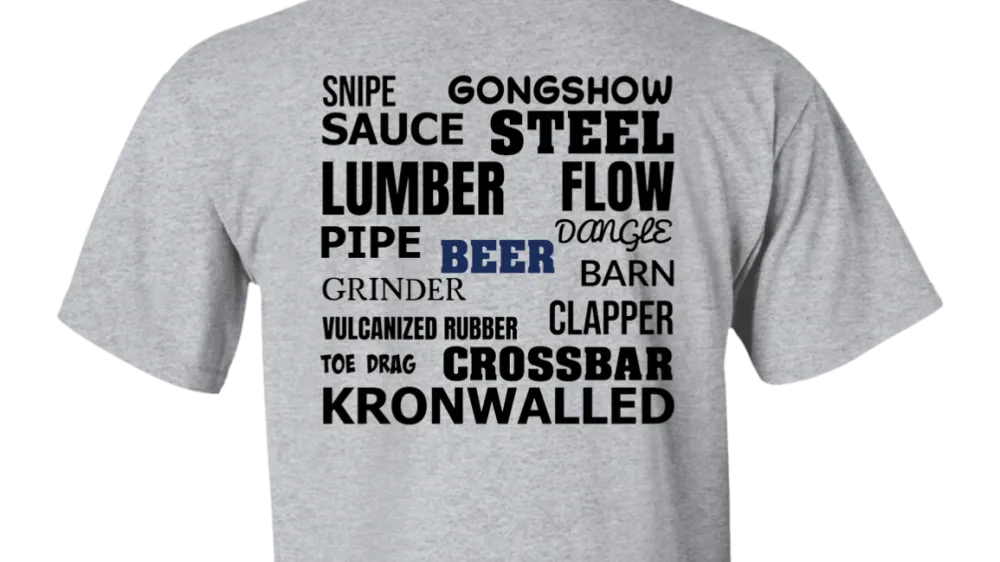
Hockey slang terms for players based on skill level
The most common hockey slang terms for players often revolve around their talent level and contribution to the team. A “beauty” or “beautician” represents the pinnacle of this hierarchy—a player who excels both on and off the ice, typically possessing exceptional skills while maintaining the personality that makes them beloved in the locker room. These players often have the best stories, the most confidence, and usually sport impressive flow (long hair) that flows from beneath their buckets.
On the opposite end of the spectrum sits the “duster,” a player who sees minimal ice time and metaphorically collects dust on the bench. While harsh, the term reflects hockey’s brutally honest culture where playing time must be earned. Similarly, a “plug” refers to a useless player whose contributions are minimal, derived from the removable extension pieces used in composite sticks.
The term “pigeon” describes a player who cannot score independently and relies on teammates to feed them the puck or clean up garbage around the net. Pigeons depend on the work of others, picking up scraps rather than creating their own opportunities. These players might still contribute, but they lack the creativity and skill to generate offense on their own.
A “plumber” takes a different approach entirely. While perhaps not the most skilled player on the roster, plumbers are hard-working athletes who do the dirty work in the corners, battle for loose pucks, and perform the unglamorous tasks that help teams win. Every successful team needs plumbers who are willing to sacrifice their bodies and statistics for the greater good.
“Grinders” share similar characteristics, referring to lesser-skilled players whose primary role involves hitting and agitating opponents. These players compensate for limited offensive ability with physicality and energy, wearing down the opposition through relentless forechecking and physical play.
Hockey slang terms for players with exceptional abilities
When players possess elite skills, hockey slang terms for players become more colorful and celebratory. A player with exceptional “hands” can stickhandle through traffic and dangle (deke) opposing players with ease. These athletes make the difficult look routine, controlling the puck as if it’s attached to their stick by an invisible string.
The ability to “wheel” describes strong skating prowess, referring to players who can fly around the ice with speed and agility. Interestingly, “wheel” also has an off-ice meaning in hockey culture, referring to picking up romantic interests—because apparently if you can skate well, you can do anything well in hockey circles.
Players who consistently deliver “silky” or “dirty” plays earn respect throughout the locker room. These terms describe smooth, impressive occurrences whether it’s a perfectly executed deke, a tape-to-tape pass, or any other moment of hockey brilliance. When something is truly spectacular, it might be called “filthy,” elevating the compliment even further.
A player capable of going “coast to coast” possesses both skill and speed, carrying the puck from their defensive zone all the way down the ice to create scoring chances. These end-to-end rushes showcase individual talent and often result in highlight-reel plays that dominate social media feeds.
The coveted ability to “snipe” separates good shooters from great ones. A sniper can pick corners with precision, placing shots exactly where goalies cannot reach them. Combined with the creativity to “sauce” passes (lifting the puck off the ice to avoid interceptions), these skilled players drive offensive production.
Hockey slang terms for players by position and role
Defensive players have their own set of hockey slang terms that describe their effectiveness and style. A “stay-at-home defenseman” prioritizes defensive responsibility over offensive production, rarely pinching into the offensive zone and focusing on shutting down opposing forwards. While these players might not light up the scoresheet, their defensive reliability is crucial.
Conversely, when defensemen “pinch” at the blue line, they move aggressively into the offensive zone attempting to keep the puck inside and maintain offensive pressure. This risky play can create scoring chances but leaves the team vulnerable to counterattacks if the defenseman gets caught.
The term “pylon” delivers one of hockey’s harshest insults for defensemen—a slow, immobile player who stands still like a traffic pylon while opposing forwards skate around them with ease. No defenseman wants this label attached to their game.
At the forward position, the “grocery stick” describes the player who sits in the middle of the bench between the defensive and offensive sides. This player acts as a separator, much like the stick dividing groceries between customers at a checkout line, and typically sees limited ice time.
“Cherry pickers” employ a controversial strategy, hanging behind the opposing team’s defense hoping for a breakaway pass rather than participating in defensive responsibilities. While occasionally effective, this approach draws criticism for avoiding two-way play.
The “goon” fills a specific and increasingly rare role—a player whose primary talent is fighting to protect teammates. As hockey has evolved to emphasize speed and skill, pure enforcers have largely disappeared from the modern game, though the term remains part of hockey’s lexicon.
Hockey slang terms for players’ physical attributes
Physical appearance generates numerous hockey slang terms for players that have become essential to the sport’s culture. “Flow” and “lettuce” both refer to long hair that flows from beneath helmets, creating a signature hockey look that many players cultivate. The better the flow, the more respect earned in the dressing room—at least according to hockey tradition.
“Lip lettuce” specifies facial hair, particularly mustaches that have become synonymous with hockey culture. The “playoff beard” tradition sees players stop shaving once the postseason begins, believing that maintaining the same routine and appearance will bring good luck as teams progress toward championship aspirations.
Missing “chiclets” (teeth) serve as a badge of honor in hockey circles, demonstrating toughness and sacrifice. Unlike other sports where protecting one’s appearance is paramount, hockey players wear dental damage as proof of their commitment to blocking shots and battling in front of the net.
The “fishbowl” refers to full face shields that offer maximum protection but draw teasing from teammates who prefer the visibility and toughness associated with half-shields or no facial protection. While practical and increasingly common, fishbowls haven’t achieved universal acceptance among players who value tradition over safety.
“Mitts” describe hockey gloves, though the term often extends to a player’s hands in general. Asking someone about their mitts might inquire about their glove equipment or their stickhandling ability, depending on context.
Hockey slang terms for players’ behaviors and actions
Behavioral hockey slang terms for players capture the game’s competitive spirit and cultural norms. To “chirp” means engaging in trash talk with opponents, an art form within hockey that can distract, frustrate, or intimidate the other team. The best chirpers deliver clever, cutting remarks that get under opponents’ skin without crossing lines that would result in penalties.
A “face wash” involves shoving one’s glove into an opponent’s face simply to annoy them, a minor provocation designed to agitate without triggering major retaliation. This move sits in the gray area between acceptable physical play and unsportsmanlike conduct.
The verb “kronwalled” emerged from Detroit Red Wings defenseman Niklas Kronwall’s devastating open-ice hits. When a player gets “kronwalled,” they’ve absorbed a massive, clean hit from a defenseman, often while attempting to carry the puck through the neutral zone. The term immortalizes Kronwall’s signature move in hockey vernacular.
To “turtle” represents the ultimate sign of cowardice in hockey culture—when a player completely covers up during a confrontation to avoid fighting. This defensive posture draws ridicule from opponents and disappointment from teammates who expect everyone to stand up for themselves and each other.
A “Gordie Howe hat trick” honors the legendary player by describing a rare achievement: scoring a goal, recording an assist, and fighting in the same game. This combination of skill and toughness embodies the old-school hockey ideal that Mr. Hockey himself represented throughout his career.
Hockey slang terms for players’ equipment and appearance
Equipment-related hockey slang terms for players demonstrate how even the tools of the game inspire unique vocabulary. A “bucket” simply means helmet, though calling it anything but a bucket might identify you as someone unfamiliar with hockey culture. Players talk about their buckets the way other athletes discuss any piece of essential equipment.
“Lumber” and “twig” both refer to hockey sticks, terms derived from when sticks were manufactured entirely from wood. Despite modern composite construction, these traditional names persist, connecting today’s players with hockey’s history.
A “sweater” means jersey in hockey terminology, another holdover from earlier eras when players wore knitted wool garments rather than today’s high-tech athletic jerseys. Respecting your sweater—and the number, name, and logo it carries—represents respecting the team and opportunity you’ve been given.
The term “pillows” describes goaltender leg pads, referencing their substantial padding and bulk. As goalie equipment has grown larger over the decades, the comparison to oversized cushions has become increasingly apt.
When equipment goes flying after a massive hit, the result is called a “yard sale”—stick, helmet, and gloves scattered across the ice like items at a suburban driveway sale. These spectacular collisions demonstrate the game’s physical intensity while creating memorable moments that highlight both the hitter’s power and the victim’s misfortune.
Understanding hockey slang terms for players transforms how you experience the game, opening access to a rich subculture built over generations. These expressions aren’t just words—they’re the language through which hockey communicates its values of toughness, skill, humor, and camaraderie. From beauties with silky mitts who can wheel and dangle to plumbers who grind in the corners, each term captures something essential about what makes hockey unique.
As the sport continues evolving, new slang emerges while classic expressions endure, passed from veterans to rookies in locker rooms worldwide. Whether you’re watching from the stands, playing on outdoor rinks, or following along on broadcasts, knowing these terms connects you more deeply to hockey’s distinctive culture. The next time you hear someone describe a player as a pigeon who got kronwalled before turtling, you’ll know exactly what happened—and you’ll be speaking the same language as everyone else who truly understands the beautiful chaos of hockey.

Par Mike Jonderson
Mike Jonderson is a passionate hockey analyst and expert in advanced NHL statistics. A former college player and mathematics graduate, he combines his understanding of the game with technical expertise to develop innovative predictive models and contribute to the evolution of modern hockey analytics.