Elliotte Friedman recently questioned whether Detroit Red Wings general manager Steve Yzerman will finally unleash aggressive moves this summer to push the team toward contention.[1] Speaking on Sirius XM NHL Network Radio, Friedman highlighted Yzerman’s frustration after another playoff miss, despite deadline additions like David Perron and Justin Faulk. The Wings collapsed late in the 2025-26 season, sitting in third place in their division before fading, prompting self-criticism from players and management alike.
Friedman noted Yzerman’s reluctance to pursue short-term deals without extension commitments, using the past Quinn Hughes pursuit as an example. With ample cap space projected at over $30 million heading into the 2026-27 season under a $104 million ceiling, the Wings have financial flexibility.[2][3] The question remains: will Yzerman break from his principles to make splashy trades or signings?
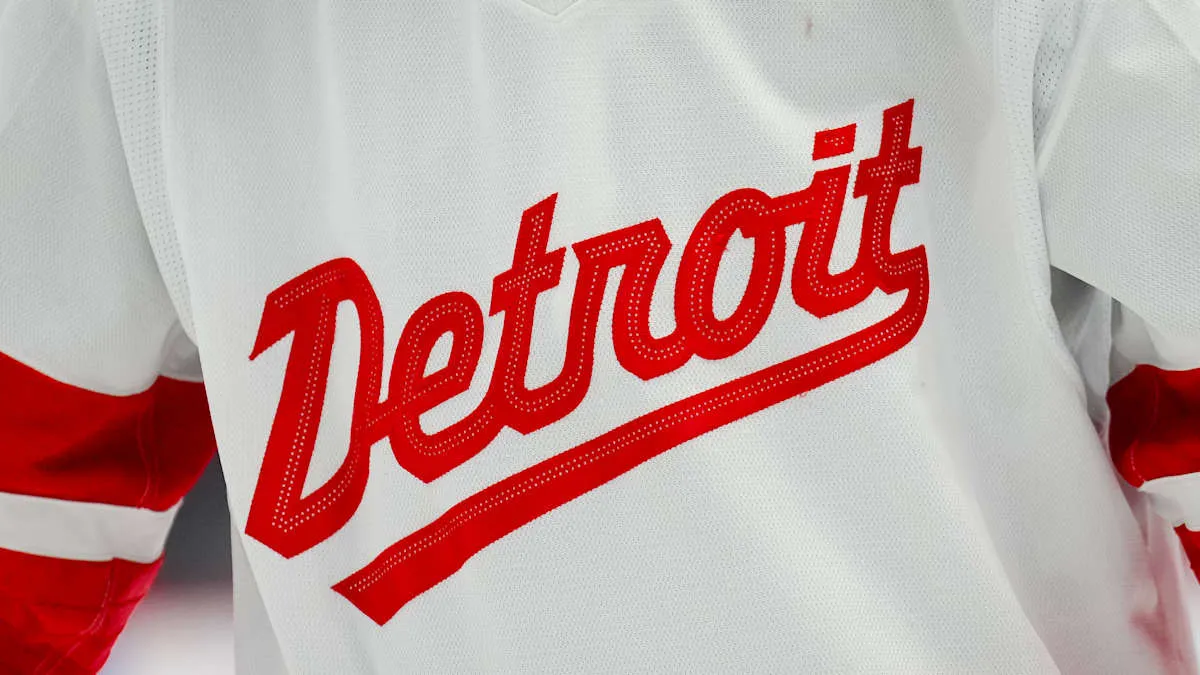
Elliotte Friedman’s take on Yzerman’s offseason aggression
Friedman emphasized Yzerman’s careful approach during a recent radio appearance. “The biggest thing for him is, how bold does he want to get?” Friedman said, pointing to past opportunities for big deals that fell through due to lack of term.[1] He referenced the Wings’ interest in Quinn Hughes, where extension talks stalled the process.
The insider observed Yzerman’s visible anger at season’s end. “I could tell he was seething,” Friedman shared. Last year, inaction drew player backlash; this year, moves like acquiring Faulk and Perron weren’t enough.[4]
Friedman believes Yzerman has the assets for major swings. “He has the ability to do big things,” he added, but only if long-term fits align. The Wings’ prospect pool and cap room provide leverage.
This hesitation stems from Yzerman’s patient rebuild philosophy, dubbed the “Yzerplan.” Yet, repeated near-misses test that patience.
Detroit also celebrated a PWHL expansion franchise, signaling hockey growth in the city amid NHL struggles.
Yzerman’s deadline push and resulting frustrations
Yzerman showed uncharacteristic aggression at the 2026 trade deadline. He added veteran forward David Perron and defenseman Justin Faulk to bolster playoff chances. “We’re prepared to make that move for the right player,” Yzerman said post-deadline, stressing value without overpaying for rentals.[4]
Perron brought competitiveness and puck skills, while Faulk solidified the blue line. Yzerman praised their fits: “Acquiring a guy that’s played in the top four… solidifies our D corps.”[4] These cost-controlled deals recouped value, like flipping a prospect for a pick.
Despite the urgency—“There’s urgency every Deadline to try to accomplish what your goals are”—the Wings faltered. A late collapse exposed depth issues, even with these additions.[5]
Players admitted the roster’s limitations: “We were in third place, so we could see our team wasn’t that good.” This stung Yzerman, fueling offseason resolve.
The deadline shift from “Steve Mild-zerman” earned praise but raised expectations for summer boldness.
Evaluating the roster: Core pieces and trade candidates
The Wings boast a solid young core for 2026-27. Moritz Seider anchors defense with 60 points, while Lucas Raymond (76 points) and Alex DeBrincat (40 goals) drive offense. Dylan Larkin remains the top center at age 30, despite five-on-five concerns.[6]
Simon Edvinsson emerges as a top-pair talent, needing a new deal. These players form the foundation Yzerman won’t move.
Potential keepers include Marco Kasper for second-line center duties, rookie Emmitt Finnie, and goalie John Gibson as the clear starter. Veterans like Andrew Copp, Ben Chiarot, and Patrick Kane could return for leadership.
Trade bait exists in the bottom six. J.T. Compher ($5.1M AAV) and Michael Rasmussen ($3.2M) underwhelmed. Pending UFAs James van Riemsdyk, Perron, and Cam Talbot are movable amid prospect rises like Nate Cossa.
Key needs: top-line left wing for Larkin-Raymond, bottom-six scoring, and center depth. Offense lagged at 2.12 goals per 60 at even strength.[7]
Strategies to contend: Cap flexibility and bold paths
With $32 million in projected space, Yzerman can target free agents or trades.[2] Priorities include extending DeBrincat and remaking the bottom six.
Trades may involve prospects for established NHLers, ditching youth for wins now. Targets: scoring wingers or defensive upgrades.
Free agency offers limited top talent, pushing toward deals with term-committed players. Yzerman’s philosophy favors long-haul fits.
Organizational questions loom: coaching tweaks for even-strength play? Leadership overhaul beyond Larkin?
Yzerman must balance patience with aggression. A franchise review could elevate him or add voices like Shawn Horcoff.
The Wings’ window cracks open with youth peaking. Boldness here defines the rebuild’s success.
Friedman’s curiosity captures the moment: will Yzerman shatter principles for playoffs? With cap room and talent, Detroit eyes contention. Failure risks deeper questions on direction. The hockey city awaits answers this summer.
Frequently Asked Questions

Par Mike Jonderson
Mike Jonderson is a passionate hockey analyst and expert in advanced NHL statistics. A former college player and mathematics graduate, he combines his understanding of the game with technical expertise to develop innovative predictive models and contribute to the evolution of modern hockey analytics.