The International Olympic Committee (IOC) has announced it no longer recommends restrictions on Belarusian athletes and teams participating in international competitions. This decision marks a significant shift from earlier measures imposed due to Belarus’s support for Russia’s invasion of Ukraine.[1]
Previously, Belarusian athletes competed as Individual Neutral Athletes (AINs) in events like the Paris 2024 Olympics and Milano Cortina 2026 Winter Olympics. The change comes as qualification for the LA28 Olympics and 2028 Winter Youth Olympics approaches this summer.
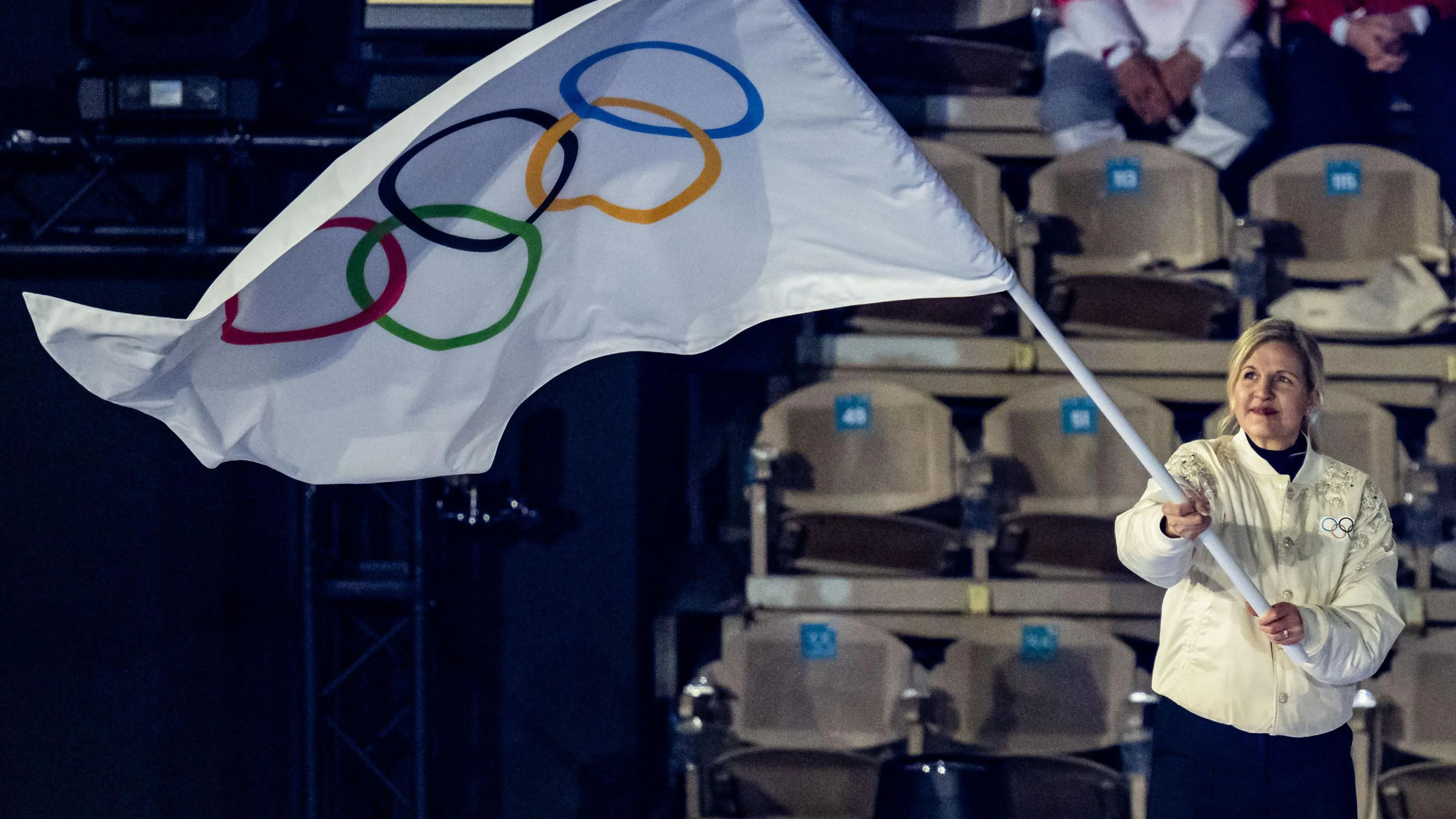
Background on the original restrictions
The IOC first recommended no participation for Russian and Belarusian athletes in February 2022, citing Belarus’s role in the Ukraine conflict. This led to suspensions across many sports federations.
Belarusian athletes faced strict conditions, including competing without national flags, anthems, or team events. They had to prove no active support for the war.
Over time, individual neutrals were allowed in select events. No major incidents occurred during Paris 2024 or Milano Cortina 2026.[1]
The National Olympic Committee of Belarus remained in good standing, unlike Russia’s suspended committee. This distinction paved the way for the recent review.
Geopolitical tensions persisted, but the IOC emphasized athletes’ rights over government actions.
IOC’s reasoning and key statements
The IOC Executive Board highlighted its mission to maintain a global sporting platform amid rising conflicts. “The IOC continues to navigate the ever-increasing complex realities… it must uphold its mission to preserve a values-based and truly global sporting platform,” the statement read.[1]
In late 2025, the IOC reaffirmed athletes’ right to compete free from political interference. Participation should not be limited by governments’ war involvement.
Belarusian passport holders have competed safely as AINs since 2023 recommendations. The board lifted those conditions specifically for Belarus.
Russia remains excluded due to ongoing ROC suspension and anti-doping concerns under WADA review.
Implications for future Olympic events
Qualification for LA28 starts soon, allowing Belarusians to compete under their flag. This could boost their medal chances without neutral status.
The Dolomiti Valtellina 2028 Winter Youth Olympics will also see unrestricted Belarusian youth teams.
Federations must now decide independently, but IOC guidance carries weight. Many may follow suit quickly.
For teams, this opens doors previously closed, though safety vetting might linger in some sports.
IIHF’s stance on Belarus and Russia in hockey
The International Ice Hockey Federation (IIHF) maintains suspensions on Russian and Belarusian teams for 2026-27 due to security risks. National and club teams stay out.[2][3]
Youth teams could return in 2027-28 if risks decline. IIHF president Luc Tardif expressed hope for reintegration, saying it would signal “the world will be a little bit better.”
Tardif noted IIHF follows IOC recommendations. At the Milano Cortina 2026 Olympics, he pushed for Belarus and Russia’s return.
Despite IOC changes, IIHF prioritizes tournament safety. No changes for the current season.
- IIHF Council risk assessment deems conditions unsafe.
- Youth reintegration possible next cycle.
- Follows IOC but acts independently on security.
Belarusian talent in the NHL
Eight Belarusian players featured in the NHL this season: Aliaksei Protas, Ilya Protas, Yegor Sharangovich, Artyom Levshunov, Ilya Solovyov, Vladislav Kolyachonok, Nikita Tolopilo, and Aleksei Kolosov.
These players highlight Belarus’s hockey depth despite national team bans. Sharangovich led with strong production for Calgary.
Levshunov, a top prospect, debuted impressively with Chicago. Their success underscores individual paths amid geopolitical hurdles.
As restrictions lift, more Belarusians may pursue Olympic dreams under their flag.
What this means moving forward
The IOC’s move prioritizes athletes over politics, potentially unifying sports further. Belarusians gain full access, contrasting Russia’s ongoing exclusion.
Hockey federations like IIHF may evolve slowly, balancing safety and inclusion. Watch for qualification impacts on LA28.
Ultimately, this fosters hope in sport’s role amid global instability. Belarusian athletes now compete freely, embodying the Olympic spirit.[1]
For the latest, check the IOC’s official announcement and IIHF updates.
Frequently Asked Questions

Par Mike Jonderson
Mike Jonderson is a passionate hockey analyst and expert in advanced NHL statistics. A former college player and mathematics graduate, he combines his understanding of the game with technical expertise to develop innovative predictive models and contribute to the evolution of modern hockey analytics.