















January marks a pivotal turning point in the fantasy hockey calendar. As teams pass the halfway mark of the regular season, managers must navigate an increasingly complex landscape of injuries, schedule imbalances, and emerging trade opportunities. The decisions you make this month often separate playoff contenders from pretenders, transforming a mediocre roster into a championship juggernaut through strategic maneuvering rather than sheer luck.
The NHL schedule in January creates unique advantages for savvy managers who understand how to exploit lighter game nights. While most fantasy competitors focus solely on big names and recent performances, the real edge comes from analyzing which teams play when others don’t. This scheduling nuance allows you to maximize roster utilization during a period when every point becomes critical in tight league standings.
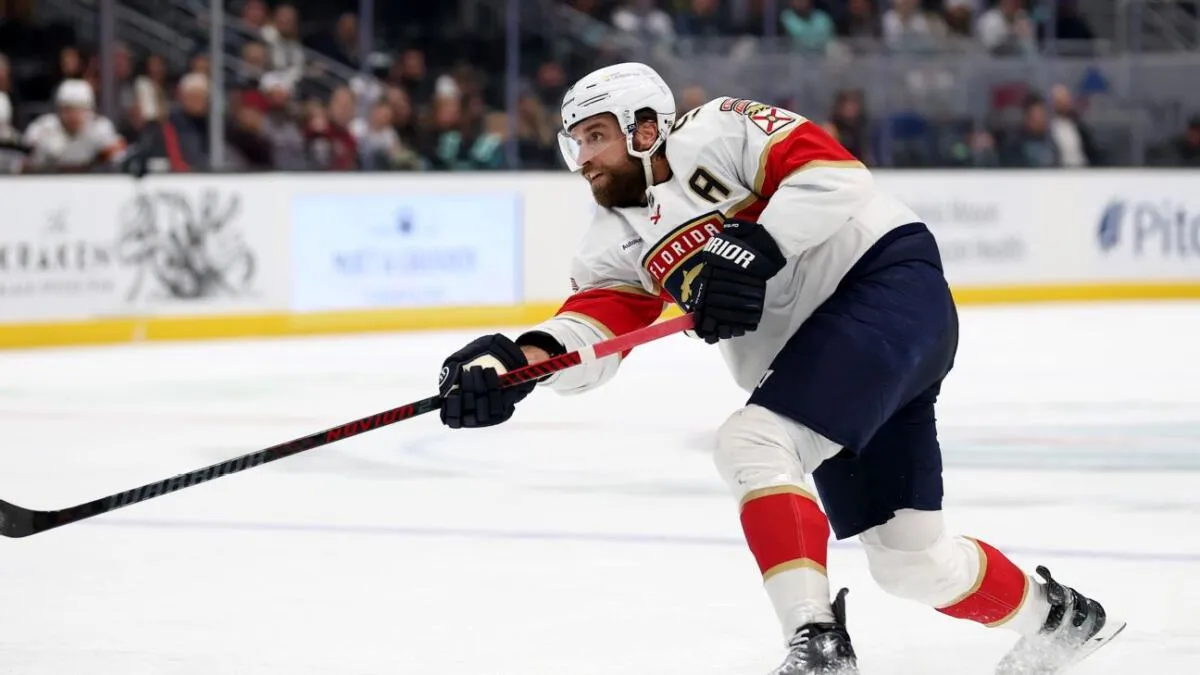
Schedule hacking: Your January fantasy hockey lineup strategy advantage
The NHL schedule in January is notoriously unbalanced, creating golden opportunities for managers who pay attention to game density. Teams like the Florida Panthers, Vancouver Canucks, and Chicago Blackhawks are slated to compete on seven “slow” nights through January 31st—dates when fewer than six games are scheduled. The Los Angeles Kings, Utah Hockey Club, and Pittsburgh Penguins follow closely with six such advantageous dates.
Why slow nights matter for fantasy production
When most of the league sits idle, players from active teams receive disproportionate fantasy attention. Every goal, assist, save, and blocked shot carries more weight because fewer competitors are accumulating stats simultaneously. This mathematical reality transforms moderately productive players into potential difference-makers. A defenseman who blocks three shots on a five-game night might barely move your category needle, but those same three blocks on a two-game night could swing your entire matchup.
The benefits compound when you stream multiple players from these schedule-favored teams. Imagine stacking Tyler Bertuzzi from Chicago with Aaron Ekblad from Florida and Karel Vejmelka from Utah across three different slow nights. You’re essentially guaranteeing fantasy-relevant ice time while your opponents’ stars sit at home, creating a cumulative advantage that becomes insurmountable over a full week.
Target teams and streaming windows
Florida’s schedule creates particular value for their overlooked players. Aaron Ekblad, rostered in only 50.8% of ESPN leagues, has rebounded with 20 points through 39 contests while anchoring the Panthers’ top power play unit. The former first-overall pick from 2014 blocks shots and throws hits at rates that make him valuable even when the offense isn’t flowing. His availability in half of all leagues represents a market inefficiency that schedule hacking exploits perfectly.
Vancouver’s injury situation has opened doors for under-the-radar contributors. Tyler Myers has seen his ice time spike significantly, now quarterbacking the Canucks’ top power play in Quinn Hughes’ absence. The veteran defender’s five shots and 26 minutes of ice time in a recent shootout victory showcased his elevated role, making him an ideal streaming candidate for deeper leagues during Vancouver’s numerous slow nights.
Waiver wire gems for your January fantasy hockey lineup strategy
January demands aggressive waiver wire management as injuries mount and roles solidify. The players who emerge this month often maintain their value through the fantasy playoffs, making early identification critical. The December fantasy hockey lineup hacks that served you well need refinement for January’s unique challenges.
Forwards climbing the depth chart
Chicago’s Tyler Bertuzzi has found chemistry with Connor Bedard, posting four goals and two assists over his past six contests. His 31 penalty minutes during that span add category juice for banger leagues, while his 2021-22 season with 30 goals reminds us of his ceiling. Playing on a line with Bedard during Chicago’s seven slow nights creates a multiplier effect that streaming managers crave.
Utah’s Logan Cooley has been virtually unstoppable since late November, centering a scoring line with Dylan Guenther and accumulating 22 points in 19 contests. His 11 power-play points during that stretch rival elite company—only Tampa Bay’s Nikita Kucherov has more. At 70.5% rostered, Cooley remains available in nearly 30% of leagues, an oversight that won’t last much longer as his 2.2 fantasy points per game average continues climbing.
Pittsburgh’s Michael Bunting operates in the shadows of Sidney Crosby and Evgeni Malkin, but his recent production demands attention. Four goals and an assist in his past four games, including three power-play points, showcase his elevated role. The Penguins’ six slow nights in January give Bunting a platform to outperform his 41.7% roster rate, particularly in deeper formats where every roster spot must contribute.
Defensemen with expanded roles
Noah Hanifin in Vegas has become a must-add following Shea Theodore’s month-long absence. Hanifin’s five assists, four on the power play, across four recent games demonstrate his quarterback capabilities. The 24:39 average ice time and 13 shots during that stretch reflect the trust Vegas’ coaching staff places in him. At 51% rostered on Yahoo, Hanifin represents the rare defenseman who can single-handedly swing power-play categories.
Seattle’s power-play situation creates opportunity for Ryker Evans, who becomes the de facto No. 1 attacking defenseman with Brandon Montour sidelined until mid-January and Vince Dunn’s status uncertain. While the Kraken’s offense ranks among the league’s weaker units, their power play remains above-average, and Evans will quarterback a group that includes players with 33 combined power-play points. His 1% roster rate makes him essentially free, perfect for streaming during Seattle’s favorable schedule spots.
Trade considerations for January fantasy hockey success
The fantasy trade deadline looms in many leagues this month, forcing managers to assess their roster construction honestly. January represents your last opportunity to address category deficiencies before the stretch run, making it a critical period for buy-low and sell-high maneuvers. Understanding player value fluctuations becomes paramount as teams adjust to their playoff positioning.
Identifying buy-low candidates
Buy-low targets emerge when perception diverges from reality. A player who recently returned from injury but hasn’t regained his scoring touch might frustrate his current manager enough to become available at a discount. Seth Jones, back after missing 16 games with a foot injury, fits this profile perfectly. Available in 25% of ESPN leagues, Jones shoots, blocks shots, and contributes on the power play at rates that should rebound as his conditioning improves.
The key is targeting players with strong underlying metrics but weak surface stats. A forward generating shots and chances but suffering from poor shooting percentage regression represents ideal buy-low material. Similarly, defensemen with high ice time and power-play usage but low point totals signal impending positive regression. These players’ current managers see only the disappointing production, while you see the opportunity for second-half breakout.
Sell-high opportunities and deadline positioning
Conversely, sell-high candidates emerge when unsustainable production masks underlying concerns. A player riding a hot streak with inflated shooting percentages or unsustainable power-play conversion rates can fetch premium returns. January allows you to swap fleeting value for enduring assets, particularly when targeting managers desperate to make up ground in specific categories.
The approaching NHL trade deadline also impacts fantasy value. Players on teams expected to sell might lose ice time or linemates, while those on contenders gain stability. Factor these expectations into your negotiations, positioning your roster for the final months. The Fantasy Hockey December Schedule Hacks: Maximize Your Roster During the Busiest Month insights about roster management extend perfectly to January’s trade landscape.
Managing injuries and rest in your January fantasy hockey lineup strategy
Injury management becomes increasingly complex as the NHL season progresses. January often sees star players miss time with nagging injuries that teams manage cautiously, creating roster holes that require creative solutions. The fantasy manager who maintains flexibility through roster spots and injury slots gains significant advantage.
Streaming through injuries
Daily lineup management requires vigilance in January. Morning skate updates and game-time decisions can leave you scrambling for replacements, particularly on light-game nights when alternatives are scarce. Building a bench with multi-position eligibility allows you to pivot quickly when stars sit out unexpectedly. Players like Quinton Byfield, eligible at center and wing, provide roster flexibility that proves invaluable during injury-plagued stretches.
Streaming goaltenders becomes especially profitable in January. With teams managing starter workloads ahead of playoffs, backup goalies see increased action, particularly during back-to-back situations. Karel Vejmelka’s 25 fantasy points in December, averaging 3.6 per game, demonstrated how Utah’s schedule creates streaming value even when the team’s overall performance wavers. His 18% roster rate means he’s available in most leagues when you need a spot start.
Monitoring rest patterns
Elite teams with established playoff positions increasingly rest stars in January, particularly during back-to-back scenarios. The Los Angeles Kings, firmly in playoff contention, may give veterans like Anze Kopitar or Drew Doughty maintenance days. Anticipating these rest patterns allows you to bench your studs proactively rather than watching them collect zeroes while locked in your lineup.
Backup players who fill these rest spots often deliver surprising value. When a star sits, his replacement frequently plays with high-end linemates and receives power-play time, creating temporary but significant fantasy relevance. Identifying these understudies before they become widely known represents a sustainable edge throughout January and beyond.
Category-specific strategies for January dominance
Generic roster construction fails in January as category races crystallize. The fantasy manager who tailors their approach to specific category needs, whether head-to-head or rotisserie format, gains decisive advantages. This month demands specialization over general production.
Power play and peripheral categories
Power-play points become increasingly scarce as penalty calls decrease league-wide in the second half. Securing players on elite power-play units now pays dividends when your competitors scramble for replacements later. Florida’s top unit, Vancouver’s resurgent group, and Utah’s emerging special teams all offer access to power-play production through widely available players.
Peripheral categories require similar targeted approaches. If you trail in hits and blocks, targeting defensemen like Aaron Ekblad or Tyler Myers addresses multiple needs simultaneously. These defensemen play heavy minutes on nights when their teams represent primary fantasy options, amplifying their category contributions when they matter most.
Goaltender management and ratios
Goaltender categories demand careful attention in January as starters become harder to predict. Teams increasingly split goalie workloads, making the “probable starter” designation less reliable. The solution involves rostering goalies from schedule-favored teams and accepting that quality starts matter more than quantity.
Darcy Kuemper’s recent performance illustrates this principle perfectly. Ranking among the league’s top fantasy goalies in December alongside names like Linus Ullmark and Connor Hellebuyck, Kuemper delivers elite ratios while playing for a winning Kings team. His 29.7% roster rate reflects market hesitation that schedule optimization can exploit, particularly on Los Angeles’ six slow nights this month.
Final thoughts on your January fantasy hockey lineup strategy
January rewards the prepared and punishes the passive. The schedule imbalances that define early winter hockey create windows of opportunity that close rapidly once identified. Players recommended today at sub-50% roster rates will be universally owned by February, making immediate action critical.
Success requires balancing short-term streaming with long-term roster construction. While exploiting slow nights generates weekly wins, your championship hopes depend on building a foundation that lasts through March and April. Use January’s schedule advantages to secure playoff positioning, then leverage that stability to acquire difference-makers for the postseason push.
The fantasy hockey landscape shifts dramatically during this midpoint month. Managers who embrace aggressive waiver wire tactics, schedule optimization, and strategic trading position themselves for sustained success. Your league championship won’t be won in January, but it can certainly be lost through inaction when opportunity knocks.
Stay vigilant, stay active, and most importantly, stay ahead of the schedule. The teams and players highlighted here represent starting points for your research, not finishing lines for your roster. Combine these insights with your league’s specific scoring system, category needs, and competitive landscape to craft a January strategy that transforms your fantasy season from hopeful to dominant.
Frequently Asked Questions

Par Mike Jonderson
Mike Jonderson is a passionate hockey analyst and expert in advanced NHL statistics. A former college player and mathematics graduate, he combines his understanding of the game with technical expertise to develop innovative predictive models and contribute to the evolution of modern hockey analytics.