












The Minnesota Wild took a significant step forward in the 2025-26 season, finishing third in the Central Division with a 46-24-12 record and advancing past the first round of the Stanley Cup playoffs for the first time in over a decade.[1][2] They dispatched the Dallas Stars in Round 1, thanks in large part to the impact of newly acquired superstar defenseman Quinn Hughes, before falling to the Colorado Avalanche in five games of the second round.[3] While the loss exposed some vulnerabilities, general manager Bill Guerin has built a deep, balanced roster anchored by Kirill Kaprizov and a strong blue line.
This offseason provides an opportunity to address those gaps and position the Wild as legitimate Cup threats by 2027. With a rising salary cap and few glaring holes, Minnesota is poised for continued growth in a brutal Central Division.
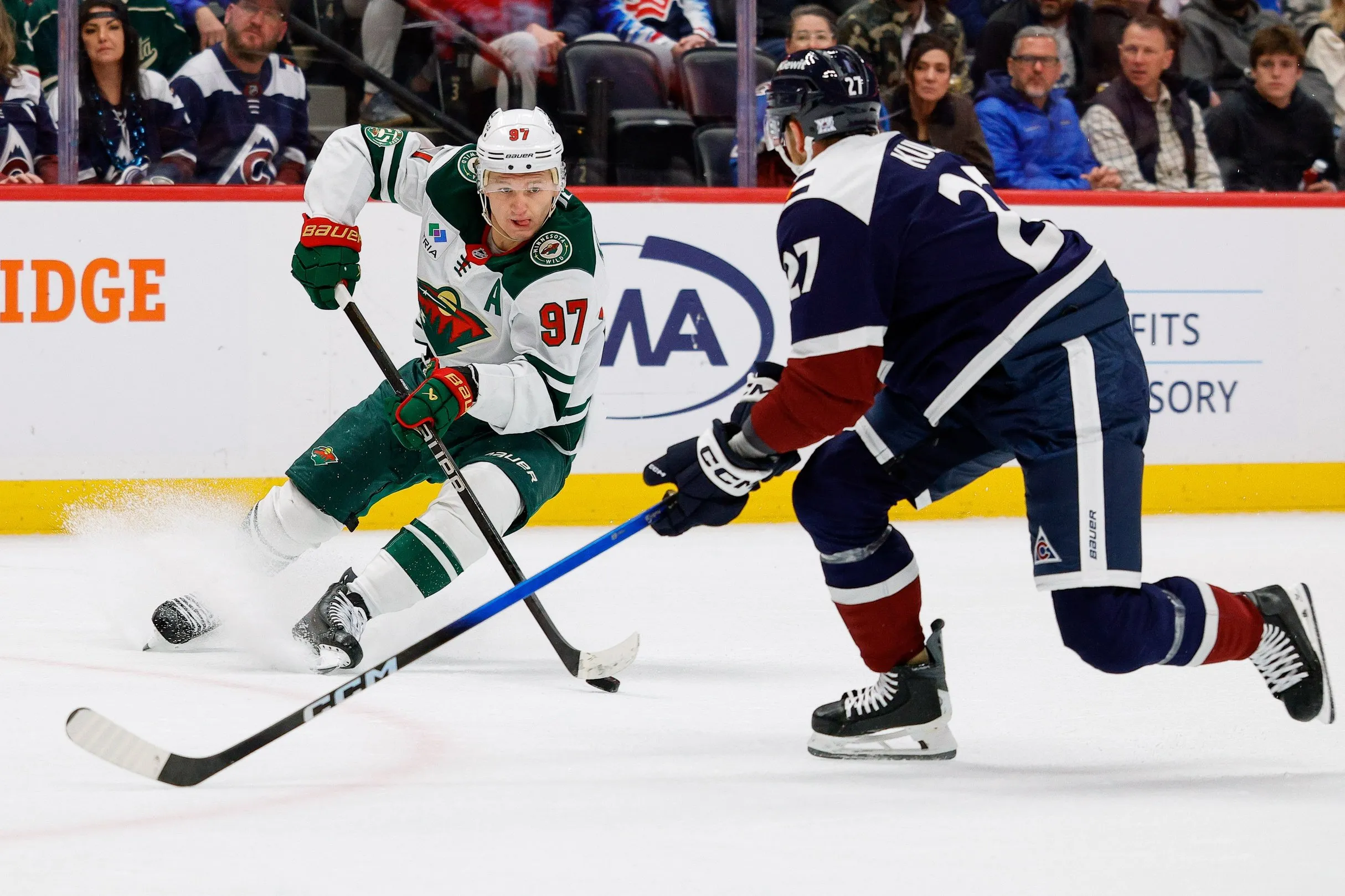
Building on playoff momentum
The Wild’s regular-season success stemmed from elite defense and timely scoring. They allowed the fourth-fewest goals in the league, showcasing the impact of Hughes after his blockbuster trade from Vancouver in December 2025.[4] Pairing him with Brock Faber and Jared Spurgeon created one of the NHL’s top defensive cores.
In the playoffs, Quinn Hughes powered the team past the Stars, scoring crucial goals in the series-clinching Game 5.[5] Quinn Hughes powers Minnesota Wild past Dallas Stars. His transition to Minnesota has been seamless, elevating the power play and transition game.
However, the second-round collapse against Colorado highlighted inconsistencies. The Avalanche scored 24 goals in five games, exposing breakdowns despite the star-studded defense.
Goaltending from Jesper Wallstedt and Filip Gustavsson posted an .859 save percentage in the series—a mark below expectations even against the league’s top offense.[6] Game 5 epitomized the frustration: up 3-0 after the first period, only to surrender three straight before Brett Kulak’s overtime winner.
Key strengths carrying into 2027
Kirill Kaprizov remains the offensive engine, with his elite scoring and compete level driving the top line. Matt Boldy emerged as a playoff performer, nearly willing the team to a Game 5 miracle against Colorado, as detailed in our preview Will Matt Boldy keep the Minnesota Wild’s season alive?.
The forward depth, including Ryan Hartman and Mats Zuccarello, provides secondary scoring that wore down Dallas. Danila Yurov and other young prospects add upside for the 2026-27 season.
On defense, Hughes headlines a group projected to remain elite. At 27, he’s locked in through 2026-27 on his current deal, with UFA status looming in summer 2027.[7] Check the full 2026-27 cap table here.
Rookie goalie Wallstedt’s potential is exciting, but tandem reliability will be crucial. Improvements here could push save percentages above .910 league-wide.
Offseason priorities and cap flexibility
Guerin earned a finalist nod for GM of the Year, second to Colorado’s Chris MacFarland, validating his vision. Few holes mean targeted tweaks rather than overhauls.
Hughes’ next contract will be pricey, but projected cap increases to $95 million or more ease the burden. Retaining him alongside Kaprizov and Boldy keeps the core intact.
Free agency targets could include a veteran shutdown defender or third-line winger for grit. Trades for picks or prospects bolster depth without disrupting balance.
Youth infusion from Yurov, Hunter Haight, and others accelerates contention. NHL.com’s playoff central highlighted Kirill’s “ultra competitor” drive—expect more in 2026-27.
Navigating a stacked Central Division
Colorado remains the benchmark, with their playoff dominance signaling multi-year threats. Dallas and the rising Utah Mammoth loom large, making Round 2 escapes tougher.
The Wild haven’t advanced past the second round since 2002-03, but this core changes that narrative. Puck luck and health could vault them to the Conference Final.
Guerin’s steady hand positions Minnesota well. As Bill Guerin noted post-trade, “We’re building something special here.”
Steps to true contender status
Refining defensive structure and goaltending will address playoff leaks. A .900+ team save percentage neutralizes elite offenses like Colorado’s.
Power-play efficiency, already boosted by Hughes, needs consistency. Special teams were a factor in the Avalanche loss.
Health management for aging vets like Spurgeon (37 in 2026-27) is key. Depth players stepping up, as Boldy did, sustains runs.
By 2027, with cap space and experience, the Wild could challenge for the Cup. The process continues, but the foundation is solid—what it means for fans is hope for a parade soon.
Frequently Asked Questions

Par Mike Jonderson
Mike Jonderson is a passionate hockey analyst and expert in advanced NHL statistics. A former college player and mathematics graduate, he combines his understanding of the game with technical expertise to develop innovative predictive models and contribute to the evolution of modern hockey analytics.