






The Minnesota Wild have emerged as a consistent playoff contender in recent years, building a reputation for resilience and strategic depth. With a roster that balances veteran leadership and emerging talent, the franchise finds itself at a critical juncture where maintaining momentum through winning streaks can define their season trajectory. The challenge lies not just in securing victories, but in implementing sustainable approaches that keep the team performing at peak levels game after game.
Success in the NHL demands more than individual brilliance—it requires a coordinated effort across all aspects of the game. From goaltending stability to special teams execution, from defensive structure to offensive creativity, every element must synchronize. As the Wild navigate through the demanding schedule of an 82-game season, understanding and executing the right strategies becomes paramount to sustaining success and avoiding the prolonged slumps that can derail championship aspirations.
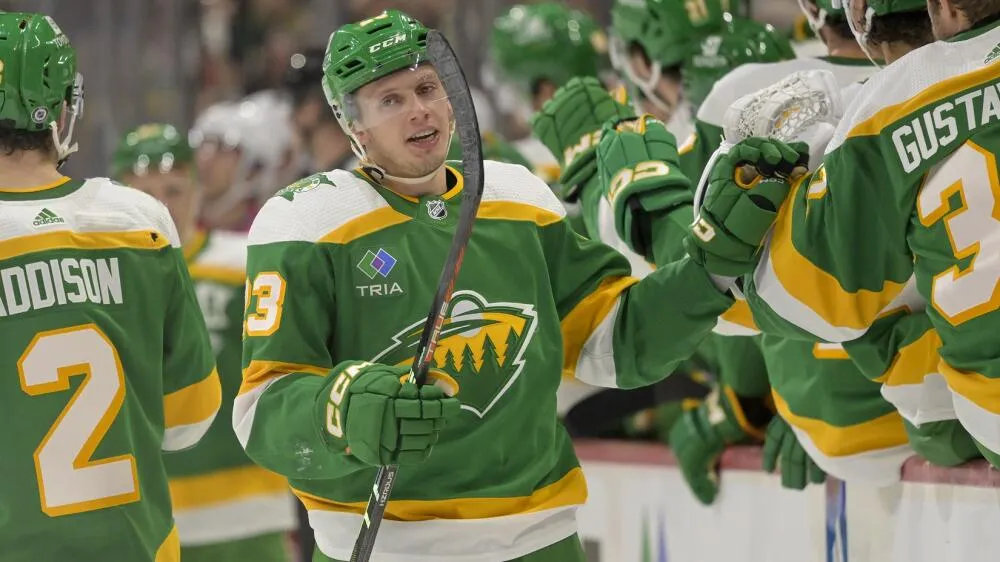
Building offensive momentum through line chemistry and Minnesota Wild strategies to maintain a winning streak
The Wild’s offensive structure hinges on maximizing the talents of their elite scorers while distributing production throughout the lineup. Kirill Kaprizov, fresh off signing his record eight-year, $136 million contract extension, serves as the cornerstone of Minnesota’s attack. His ability to create scoring chances from seemingly impossible situations demands that opponents allocate significant defensive resources to contain him, which opens opportunities for linemates.
Matt Boldy represents the emerging second wave of offensive firepower. After posting 73 points last season—albeit with just 27 goals—the 23-year-old is positioned for a significant leap forward. Pairing Boldy with either Joel Eriksson Ek or the developing Marco Rossi creates dynamic combinations that opponents must respect. The chemistry between these players develops through consistent ice time together, allowing them to anticipate movements and exploit defensive breakdowns.
Vladimir Tarasenko’s addition to the roster provides veteran scoring depth that was previously missing. While no longer the six-time 30-goal scorer who terrorized opponents during his prime in St. Louis, Tarasenko brings playoff experience and offensive instincts that complement Minnesota’s younger players. Head coach John Hynes made a personal visit to Tarasenko’s Florida home during the offseason, demonstrating organizational commitment that has translated into on-ice comfort. Playing Tarasenko on his preferred right wing alongside Boldy creates a formidable second-line threat that prevents opponents from focusing exclusively on shutting down Kaprizov.
Depth scoring remains critical for sustaining success beyond the top lines. Players like Vinnie Hinostroza have stepped into expanded roles, bringing work ethic and veteran presence to the fourth line. His physical play—seven hits through early games—sets a tone that younger players like Danila Yurov can emulate. Similarly, Yakov Trenin’s transformation from a struggling player last season to an impactful third-liner demonstrates how proper deployment and offseason preparation can unlock hidden potential. His league-leading 28 hits early in the 2025-26 season exemplify the grinding style that wears down opponents over the course of long winning streaks.
The Minnesota Wild balance negatives and positives through elite even-strength play and goaltending depth, which provides a foundation for consistent offensive production. When forechecking pressure forces turnovers, transition opportunities materialize that allow skill players to operate in space. This systematic approach to generating offense ensures that scoring chances don’t rely solely on individual heroics.
Maintaining offensive consistency requires strategic line deployment. Hynes must balance giving his top players sufficient ice time to dominate games while keeping them fresh for critical moments. During winning streaks, the temptation exists to over-rely on proven scorers, but sustainable success demands contribution from all four lines. Spreading minutes prevents fatigue and maintains intensity throughout 60-minute performances.
Defensive structure and Minnesota Wild strategies to maintain a winning streak through systematic play
Minnesota’s defensive identity centers on team structure rather than individual brilliance. The system emphasizes gap control, forcing opponents to the outside while protecting high-danger areas near the crease. This approach requires disciplined positioning from all five skaters, with forwards backchecking aggressively to support defensemen under pressure. The Wild’s success often correlates directly with their commitment to these defensive principles, particularly during winning streaks when attention to detail reaches its peak.
Jonas Brodin, despite dealing with injuries, anchors the defensive corps with his positional awareness and ability to neutralize opposing top lines. His partnership with whichever defenseman occupies the top pairing creates a shutdown unit that allows other defensive pairings to match up favorably. This cascading effect throughout the lineup prevents mismatches that opponents could exploit during critical moments.
The emergence of 19-year-old Zeev Buium adds a different dimension to Minnesota’s blue line. While still adapting physically to the professional game, Buium’s vision and playmaking ability provide offensive creativity from the back end. His role on the power play as a quarterback demonstrates confidence in his hockey IQ, even as he continues developing the defensive aspects of his game. Integrating young defensemen without compromising defensive integrity requires careful management of their ice time and matchups.
Shot blocking represents a tangible commitment to team-first defense. While not always reflected in traditional statistics, the willingness to sacrifice body position to prevent shots on goal can shift momentum during games. Players like Trenin have added blocked shots to their defensive repertoire, complementing their physical presence along the boards. This multi-faceted approach to defense creates layers of protection that frustrate opponents and fuel offensive transitions.
Neutral zone control serves as the bridge between defense and offense. By clogging passing lanes and forcing turnovers in the neutral zone, the Wild can transition directly into offensive rushes without allowing opponents to establish their forecheck. This chess match in the middle third of the ice often determines possession time and scoring chance distribution. During winning streaks, Minnesota excels at controlling this area, limiting high-quality scoring opportunities against while generating chances in transition.
Defensive zone faceoffs demand special attention as a critical component of limiting opponent chances. Winning draws allows teams to immediately clear pressure and change personnel if needed. The loss of Nico Sturm to back issues hurts Minnesota’s faceoff capabilities, particularly on the penalty kill where winning defensive zone draws can kill valuable seconds. Developing reliable faceoff options throughout the roster prevents over-reliance on any single center.
Goaltending excellence as the foundation of Minnesota Wild strategies to maintain a winning streak
Elite goaltending provides the safety net that allows teams to play with confidence and take calculated offensive risks. The Wild’s tandem of Filip Gustavsson and Marc-Andre Fleury offers complementary styles that can adapt to different opponent strategies and game situations. Gustavsson describes his approach as defensively active without chasing pucks unnecessarily, preferring a blocking style that maximizes coverage and minimizes scrambling. This patient technique works particularly well behind Minnesota’s structured defensive system.
Fleury’s legendary career and continued effectiveness at an advanced age provide mentorship that extends beyond his own performances. His work with Gustavsson and developing prospect Jesper Wallstedt creates an environment where younger goaltenders can learn proper habits and mental approaches. Fleury’s experience in high-pressure situations—including multiple Stanley Cup runs—offers invaluable guidance when playoff intensity arrives. His ability to remain effective while managing a reduced workload demonstrates smart organizational planning that keeps both goaltenders sharp.
Wallstedt’s development represents the future of Minnesota’s goaltending. His memorable first start of the 2025-26 season showcased both his technical ability and mental fortitude. After helping the team build a 3-0 lead against Los Angeles, Wallstedt faced adversity when the Kings scored three consecutive goals to force overtime. Rather than crumbling under pressure, the rookie maintained composure through overtime and then stopped every shooter he faced in the shootout to secure victory. This mental toughness suggests readiness for expanded responsibilities as his career progresses.
Strategic goaltender rotation during winning streaks requires careful management to balance riding the hot hand with keeping both netminders engaged. Playing the same goaltender for extended stretches risks fatigue and diminished performance, while excessive rotation can disrupt rhythm. Hynes must read his goaltenders’ physical and mental states, making deployment decisions that maximize performance while preparing for the inevitable challenging nights when save percentages alone won’t determine outcomes.
Goaltending consistency provides defensive players confidence to play aggressively without fearing that minor mistakes will result in goals against. When netminders consistently make the saves they should while occasionally stealing games with spectacular performances, teams develop an identity as difficult to score against. This reputation influences opponents’ approaches, often leading to forcing plays rather than executing patiently—precisely the mistakes that structured teams like Minnesota capitalize on.
The relationship between goaltending and team defense creates a symbiotic dynamic where each element enhances the other. Strong positional goaltending allows defensemen to take away passing options without worrying about unscreened shots beating their goaltender. Conversely, effective defensive zone coverage reduces the high-danger chances that challenge even elite goaltenders. During winning streaks, this coordination reaches optimal levels where the entire defensive structure functions as a unified barrier.
Special teams mastery and Minnesota Wild strategies to maintain a winning streak through critical situations
Power play effectiveness often determines the difference between winning and losing streaks. Minnesota’s power play struggled in previous seasons, ranking in the bottom half of the league despite possessing skilled offensive players. Recent analysis suggests improvements are imminent, particularly with Buium’s addition as a power play quarterback. His vision and passing ability create opportunities for shooters like Kaprizov and Boldy to operate in high-percentage areas.
Successful power plays balance patience with aggression, maintaining offensive zone possession while hunting for premium scoring chances. Quick puck movement prevents penalty killing units from establishing dominant positions, creating seams that skilled passers can exploit. Minnesota must avoid the stagnant puck movement that plagued previous power play units, instead utilizing motion and deception to manufacture openings. Establishing a consistent shooting mentality also creates rebound opportunities and prevents opponents from cheating toward passing lanes.
The penalty kill ranked 30th in the league during the 2024-25 season—an alarming statistic for a team with playoff aspirations. Improvement in this area represents perhaps the most critical strategic adjustment for maintaining winning streaks. Successful penalty killing begins with faceoff wins that allow immediate clearing attempts, reducing sustained pressure. The loss of Sturm’s faceoff reliability hurts this aspect, demanding that other centers elevate their performance in the circle.
Aggressive penalty killing that challenges entries and forces turnovers aligns with Minnesota’s identity better than passive box formations. By pressuring puck carriers in the neutral zone, the Wild can disrupt set plays and create shorthanded breakaway opportunities. This approach requires excellent conditioning and coordination, as mistimed challenges create odd-man advantages for opponent power plays.
Personnel selection for penalty killing units must balance defensive responsibility with offensive threat. Including players who can create shorthanded chances forces power play units to maintain defensive awareness rather than committing entirely to offense. This subtle psychological pressure can influence opponent decision-making, leading to tentative play that reduces power play efficiency.
Special teams success compounds over the course of winning streaks as confidence builds and units develop chemistry. Power play goals create momentum shifts that energize home crowds and demoralize opponents, while penalty kills that neutralize opponent advantages demonstrate team resilience. The cumulative effect of winning special teams battles throughout a winning streak often proves more significant than the individual goals scored or prevented.
Mental approach and consistency in Minnesota Wild strategies to maintain a winning streak
Psychological resilience separates teams that sustain winning streaks from those that achieve isolated victories. The Wild must develop a mentality that treats each game as an independent challenge rather than assuming success based on recent results. Complacency represents the greatest threat during winning streaks, as players unconsciously reduce preparation intensity or assume victories will come naturally. Hynes must constantly reinforce process-oriented thinking that emphasizes execution over outcomes.
Building positive habits during winning streaks creates muscle memory that persists when adversity arrives. When teams consistently execute proper defensive zone coverage, strong neutral zone play, and efficient offensive zone possession during victories, these behaviors become automatic responses during challenging games. The cumulative effect of quality repetitions during winning streaks pays dividends throughout the season as these patterns become ingrained in team identity.
Managing player ice time during demanding stretches prevents physical and mental fatigue that undermines performance. While star players naturally receive significant minutes, strategic deployment of depth players keeps the roster fresh and engaged. Players who see reduced ice time during winning streaks must maintain their preparation and readiness, understanding that their contributions become critical when circumstances change.
Video review and analytics provide objective feedback that prevents subjective assessments from distorting reality. During winning streaks, teams might overlook defensive breakdowns or unsustainable shooting percentages that artificially inflate results. Honest evaluation of underlying performance metrics helps coaching staffs identify areas requiring improvement before they manifest as losses. This proactive approach maintains championship-level standards regardless of short-term results.
Leadership from veteran players establishes accountability standards that younger players must meet. Marcus Foligno’s physical presence and willingness to stand up for teammates sets expectations for team-first behavior. When leaders consistently model proper preparation, compete level, and attention to detail, those standards permeate throughout the roster. This cultural foundation proves invaluable during challenging moments when character determines outcomes.
The relationship between confidence and performance creates a delicate balance during winning streaks. Appropriate confidence in abilities and systems allows players to execute without hesitation, playing instinctively rather than overthinking situations. However, overconfidence breeds careless mistakes and reduced effort that opponents exploit. Maintaining this balance requires constant communication between coaching staff and players, ensuring that individual and collective mindsets remain properly calibrated for sustained success.
The Minnesota Wild possess the talent and organizational structure necessary for sustained excellence. Their strategies for maintaining winning streaks encompass every aspect of team performance—from offensive creativity through line chemistry and depth scoring to defensive structure that limits high-danger chances. Goaltending excellence provides the foundation upon which aggressive play can flourish, while special teams improvements transform previously exploitable weaknesses into competitive advantages. Perhaps most importantly, the mental approach that emphasizes process over results and maintains consistent standards creates the cultural foundation for championship contention.
As the season progresses, Minnesota’s ability to implement these strategies will determine whether they merely make the playoffs or establish themselves as legitimate Stanley Cup contenders. The pieces are in place—veteran leadership, emerging young talent, coaching expertise, and organizational commitment. Now comes the challenging work of converting potential into sustained performance, transforming individual strengths into collective dominance that defines championship-caliber teams. For a franchise seeking its first playoff series victory in years, the strategies evident in their even-strength play and defensive structure offer reasons for optimism that this season might finally deliver the breakthrough that fans have long anticipated.

Par Mike Jonderson
Mike Jonderson is a passionate hockey analyst and expert in advanced NHL statistics. A former college player and mathematics graduate, he combines his understanding of the game with technical expertise to develop innovative predictive models and contribute to the evolution of modern hockey analytics.