












Every morning during the NHL season brings a flood of information that can dramatically alter the landscape of that evening’s matchups. Coaches make critical decisions about player availability, goaltending rotations, and line combinations that ripple through fantasy hockey leagues and betting markets. Understanding how to interpret and act on NHL daily projected lineups starting goalies injury updates separates casual fans from serious analysts who consistently gain edges in their respective pursuits.
The modern hockey ecosystem demands constant vigilance. Player status can shift from “questionable” to “confirmed” within hours, while a starting goalie’s sudden illness might transform a favorable matchup into a precarious gamble. This comprehensive guide examines the mechanics behind lineup projections, the strategic implications of injury reports, and how savvy enthusiasts leverage this information for competitive advantage.
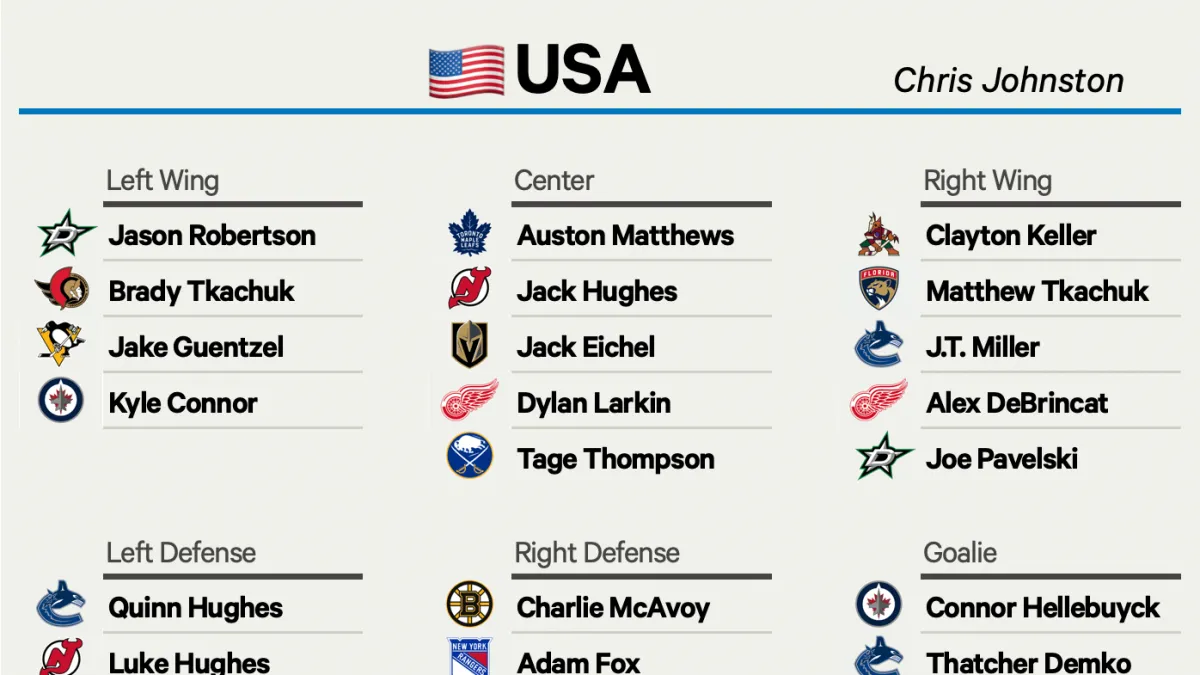
How NHL daily projected lineups shape competitive strategy
Projected lineups serve as the foundation for pre-game analysis across multiple domains. Hockey writers and data analysts compile these projections through direct communication with team correspondents, morning skate observations, and historical coaching patterns. The process begins early each game day, often before players even arrive at the rink, as journalists synthesize information from previous games, practice patterns, and emerging injury situations.
The Blackhawks’ recent situation illustrates this dynamic perfectly. Following a 3-2 loss to Seattle, Chicago entered their next game without morning skate availability, forcing analysts to rely on post-game comments and injury reports. Andre Burakovsky’s absence after taking a hit from Ryan Lindgren required immediate lineup adjustments, while the decision between Arvid Soderblom and Spencer Knight in net remained fluid until pre-game confirmation. These scenarios play out across the league daily, with teams like Buffalo balancing the return of Jason Zucker from illness against Michael Kesselring’s lower-body injury and Jiri Kulich’s serious blood clot issue.
Line combination chemistry represents another critical factor within daily projections. Coaches frequently shuffle forward lines and defensive pairs to spark offensive production or address defensive deficiencies. The Minnesota Wild’s deployment of Kirill Kaprizov with Danila Yurov and Mats Zuccarello creates a high-skill trio that analysts must evaluate against opposing defensive structures. Similarly, a defensive pair like Jonas Brodin and Brock Faber against a physical forechecking team presents different fantasy and betting implications than a matchup against a speed-oriented squad.
Understanding injury updates and roster management protocols
The NHL’s injury reporting system directly impacts how teams construct their nightly rosters. Once a player moves to injured reserve, they must sit out a minimum of seven calendar days while remaining eligible to practice with teammates. This rule creates strategic flexibility for general managers managing salary cap constraints and roster limits. The seven-day requirement allows teams to test replacement players without committing to long-term roster moves.
Recent injury patterns reveal the physical toll of professional hockey. The Pittsburgh Penguins currently navigate one of the league’s most challenging situations, with 10 players on injured reserve including Tristan Jarry (lower body), Rickard Rakell (hand surgery), and multiple forwards dealing with upper-body issues. When Noel Acciari suffered an upper-body injury requiring a minimum three-week absence, the cascading effect forced coach Mike Sullivan to recall Sam Poulin from Wilkes-Barre/Scranton for his season debut, altering the Penguins’ fourth-line identity and penalty-killing units.
Injury severity classifications carry specific meanings within NHL daily projected lineups starting goalies injury updates. “Day-to-day” designations offer minimal certainty, often resulting in game-time decisions that frustrate fantasy managers and bettors alike. “Week-to-week” provides slightly more clarity, while long-term injured reserve creates predictable absence timelines. The Boston Bruins demonstrate this spectrum perfectly: Charlie McAvoy’s facial surgery came with a clear December 14 timeline, whereas Elias Lindholm’s lower-body injury allowed him to travel with the team despite injured reserve designation, suggesting imminent activation.
Starting goaltender decisions and their ripple effects
Goaltending rotations represent the single most impactful element within daily lineup information. A confirmed starter influences betting spreads by 20-30 points in moneyline markets and significantly shifts over/under totals. Elite netminders like Andrei Vasilevskiy, Connor Hellebuyck, and Igor Shesterkin command such respect that their presence alone can flip underdogs into favorites, while their absence creates opportunities for contrarian value plays.
The strategic considerations behind starting goalie selections extend beyond simple rest patterns. Back-to-back game scenarios almost guarantee rotation, with modern coaches rarely deploying the same goalie in consecutive nights. This reality stems from understanding workload management across an 82-game season, where top starters typically appear in 50-60 games rather than the legendary 502 consecutive starts Glenn Hall achieved decades ago. When the Minnesota Wild play consecutive nights, expect Filip Gustavsson and Jesper Wallstedt to split duties based on matchup difficulty and recent performance trends.
Recent performance metrics heavily influence these decisions. A goaltender riding a hot streak with save percentages above .930 over their last five games often earns the crease even against superior opponents. Conversely, a struggling netminder might cede starts to a backup despite theoretical “right” to play based on salary or reputation. Defensive strength in front of the goalie matters equally—a porous defense can sink even elite goaltenders, while stout team defense elevates average netminders into fantasy-relevant options.
Tactical advantages through information timing
Success with NHL daily projected lineups starting goalies injury updates depends heavily on when you access information. The optimal window typically opens 90 minutes before puck drop when teams submit official rosters to league officials. However, valuable intelligence emerges throughout the day, from morning skate participation levels to coaches’ pre-game press conferences. Sharp fantasy players set alarms reminding them to check for 4pm PST updates when West Coast teams announce decisions, while East Coast morning skates provide early indicators for evening games.
Information asymmetry creates market inefficiencies that diligent analysts exploit. When the Buffalo Sabres placed Mason Geertsen on waivers to activate Jason Zucker from injured reserve, attentive observers gained hours of advance notice before mainstream outlets reported the transaction. This lag time allows for strategic roster moves in daily fantasy contests or timely bets before odds adjust to reflect the strengthened lineup.
Beat reporters remain the most reliable sources for accurate projections. Local journalists who travel with teams understand coaching tendencies, recognize practice line rushes that signal upcoming changes, and maintain relationships with equipment staff who notice which goalie takes the game-day net during morning skates. Following these specialists on social media provides an information edge unavailable through aggregate sites.
Integrating multiple data streams for comprehensive analysis
Effective synthesis requires blending lineup information with contextual factors. Line combinations matter only when considered alongside opposing matchups, special teams usage, and recent ice-time trends. A third-line center seeing increased power-play deployment due to injuries to top-six forwards suddenly carries enhanced fantasy value despite peripheral even-strength role. Similarly, a defenseman elevated to the top pairing gains exposure to stronger offensive linemates and more favorable zone starts.
The Chicago Blackhawks’ forward deployment showcases this complexity. Connor Bedard anchoring the top line with Ryan Greene and Tyler Bertuzzi creates obvious fantasy appeal, but the second line’s Oliver Moore, Frank Nazar, and Ilya Mikheyev combination might face softer competition, potentially generating better real-world scoring chances despite lower name recognition. Understanding these nuances requires tracking not just who plays, but where, when, and against whom they skate.
For fantasy hockey managers, this analysis extends to peripheral categories beyond goals and assists. Hits, blocked shots, and faceoff wins all depend on lineup context. A grinder like Marcus Foligno moving onto Minnesota’s third line with Yakov Trenin and Vinnie Hinostroza suggests increased physical deployment against opposing depth lines, creating value in multicategory leagues even without strong offensive projection.
Navigating uncertainty in daily projections
Despite best efforts, uncertainty inevitably clouds NHL daily projected lineups starting goalies injury updates. Game-time decisions frustrate even the most diligent researchers when coaches withhold information for competitive advantage. The Boston Bruins’ handling of Elias Lindholm’s lower-body injury exemplifies this—traveling with the team while remaining on injured reserve created speculation about potential activation that lasted until pre-game warmups.
Responsible analysts build contingency plans for these scenarios. Identifying the “next man up” becomes crucial when stars carry questionable tags. If Kirill Kaprizov can’t suit up for Minnesota, Marcus Johansson likely slides into his top-line spot, creating value at lower salary cap hits or betting odds. Similarly, backup goalies thrust into starting roles due to late-breaking injury news often provide contrarian leverage in tournament formats where ownership percentages remain low.
Developing a systematic approach to processing information prevents emotional decisions. Create checklists verifying multiple sources, cross-reference injury timelines with practice participation, and track coaches’ historical tendencies in similar situations. When the Pittsburgh Penguins announced Tristan Jarry’s three-week absence, analysts who immediately evaluated backup Arturs Silovs’ previous performances, defensive support metrics, and upcoming schedule strength gained clearer perspective than those reacting emotionally to losing an elite starter.
What this means for your daily hockey strategy
The landscape of NHL daily projected lineups starting goalies injury updates continues evolving as teams become more sophisticated in managing information flow. Success requires adapting to compressed timelines, recognizing that social media often breaks news before traditional outlets, and maintaining flexibility when late changes disrupt carefully laid plans. The most profitable approach involves treating projections as living documents rather than static facts, constantly reassessing as new data emerges throughout game days.
Building reliable information pipelines separates winning players from the pack. Subscribe to beat writer notifications, follow equipment managers’ subtle social media clues, and engage with community-driven platforms where sharp enthusiasts share observations from morning skates. When the Buffalo Sabres ruled out Zach Benson on game day while confirming Jason Zucker’s availability, connected followers received this crucial intelligence from local radio reports before national aggregation sites processed the information.
The future of lineup analysis points toward integration with advanced metrics. Projecting not just who plays, but how their specific skill sets match opponent weaknesses, represents the next frontier. Teams increasingly use these models internally, but public-facing analysts who incorporate shot quality data, microstats, and deployment patterns alongside traditional lineup information gain persistent competitive advantages that compound over the course of an 82-game season.
Mastering NHL daily projected lineups starting goalies injury updates transforms you from passive fan to active strategist. The information asymmetries that exist between insiders and the public create constant opportunities for those willing to invest time and develop systematic approaches. Whether managing fantasy rosters, placing informed wagers, or simply seeking deeper engagement with the sport, treating lineup intelligence as the valuable commodity it represents elevates your hockey experience to professional levels of analysis and enjoyment.
Frequently Asked Questions

Par Mike Jonderson
Mike Jonderson is a passionate hockey analyst and expert in advanced NHL statistics. A former college player and mathematics graduate, he combines his understanding of the game with technical expertise to develop innovative predictive models and contribute to the evolution of modern hockey analytics.