





The NHL has recently cracked down on teams violating Rule 9.6, which mandates helmet use during pre-game warmups for specific players. Deputy commissioner Bill Daly confirmed the league is sending warnings to clubs after multiple incidents where players took the ice without protective headgear. The rule specifically targets players who entered the league beginning with the 2019-2020 season, creating a “grandfather clause” that exempts veteran players. This renewed enforcement has sparked discussions about player safety, tradition, and the line between ritual and regulation.
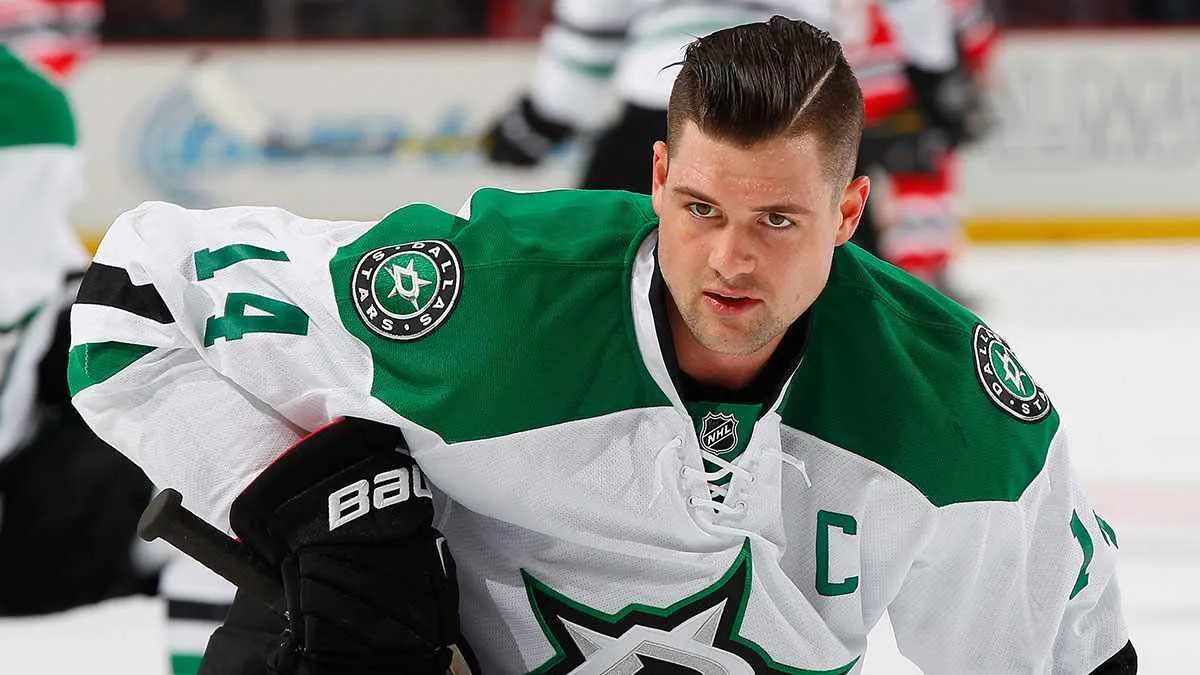
Understanding the NHL helmet mandate during pre-game warmups for players entering 2019-2020 or later
Rule 9.6 of the NHL rulebook states: “It is mandatory for all players who entered the NHL beginning with the 2019-2020 season or later to wear their helmet during pre-game warm-up. To be clear, all players who entered the League prior to the 2019-2020 season and who are currently playing are exempt from this mandate.” This carefully worded regulation creates a clear dividing line between generations of players.
The rule was officially implemented before the 2023-24 season, though it was announced in November 2022. It mirrors the approach taken with visor requirements, where players who entered the league after 2013 must wear facial protection. The helmet mandate specifically prohibits the common practice of rookies taking their first NHL warmup lap without headgear—a tradition that has been part of hockey culture for decades.
The “grandfather clause” represents a compromise between eliminating an outdated ritual and respecting veteran players’ autonomy. Those who debuted before the 2019-2020 threshold can legally skate bare-headed, while younger players cannot. This two-tiered system has created confusion among fans and sometimes even players about who’s required to wear helmets and who isn’t.
Recent violations that prompted league action
The Ottawa Senators started the trend on November 26, 2025, when they faced the Vegas Golden Knights. The team had lost six straight games in Vegas and decided at a team dinner the night before to ditch their helmets to change their luck. Defenseman Jake Sanderson explained during a TV interview: “It was just a little discussion over a team dinner last night. We’ll see if it happens in the future.” Shane Pinto told TSN it was “pretty cool to do,” and the Senators won 4-3 in a shootout.
The San Jose Sharks followed suit two days later in the same building, also trying to break a losing streak against the Golden Knights. Forward Will Smith described the decision more casually: “It was a team decision. It was Saturday night in Vegas, so all the guys were pretty easy to sell on it.” The Sharks’ luck didn’t improve, as they lost 4-3 to their division rival. Their goaltender Yaroslav Askarov still wore his helmet, as goaltenders always do.
The New Jersey Devils took a different approach on December 2, 2025, trading helmets for caps during warmups before their game against the Columbus Blue Jackets. This gesture honored defenseman Brenden Dillon’s 1,000th NHL game, with hats reading “1,000 Dilly” replacing their usual headgear. The Devils won 5-3, but the celebration violated the same rule.
The tradition behind the controversy
The practice of skating without helmets in warmups traces back to multiple hockey traditions. The most well-known is the “rookie lap,” where a player making his NHL debut is sent onto the ice alone for his first warmup. Veterans tell him to skate a lap or two before they join him, and sometimes the rookie does so without a helmet as part of his initiation into the league.
This tradition has been slowly fading as player safety concerns have taken priority. Florida Panthers, for example, established their own team rule requiring helmets in warmups even before the league-wide mandate. The rookie lap has become increasingly rare, with many teams modifying it to include helmets or abandoning it altogether.
Another aspect of the tradition involves veteran players who simply prefer the feel and look of skating without helmets. For players who entered the league before 2019, this remains legal. These veterans often describe it as a way to feel more comfortable and connected to the game before donning full equipment for puck drop. The grandfather clause preserves this privilege for a shrinking group of players.
Why player safety drove this rule change
The NHL’s competition committee pushed for this mandate after several near-misses and actual injuries during warmups. While pre-game skates might seem low-risk, players shoot pucks at high speeds, and accidents can happen quickly. Alex Edler’s recent experience highlighted the danger when he took a puck to the face during warmups while not wearing a visor, forcing him to miss the subsequent game.
Warmups involve 20 players on the ice simultaneously, all moving in different directions while taking shots, making passes, and preparing for the game. Pucks can deflect off posts, crossbars, or other equipment at unpredictable angles. A helmetless player focused on his own routine might not see an errant puck until it’s too late.
The league’s concern intensified when it noticed younger players, particularly rookies, participating in helmetless warmups more frequently. The 2019-2020 cutoff ensures that as the game transitions to a younger generation, those players will have grown up with stricter safety standards from their earliest NHL moments.
League enforcement and what comes next
Bill Daly stated the league is sending a “reminder to all Clubs as to the applicable rules as they apply to the use of helmets in warm-up.” While he didn’t specify what penalties might follow continued violations, the NHL has several options. The league could fine teams, fine individual players, or even assess delay-of-game penalties if players aren’t ready for puck drop due to equipment issues.
Historical precedent suggests the NHL prefers education over punishment initially. When the visor rule was implemented, the league spent significant time ensuring teams understood the requirements before issuing fines. The current “reminder” approach follows this pattern.
However, repeated violations could escalate consequences. Teams might face financial penalties, or coaches could be held accountable for their players’ equipment choices. The NHL Players’ Association will likely play a role in how strictly the rule gets enforced, representing the affected players’ interests.
Key takeaways about the mandate
- Who must wear helmets: All players who entered the NHL in 2019-2020 or later, with no exceptions for rookies or special occasions
- Who is exempt: Players who debuted before the 2019-2020 season, regardless of their current age or experience level
- When it applies: During all pre-game warmups, including milestone celebrations and good-luck rituals
- Why it exists: Player safety concerns, particularly for younger players who might feel pressured to participate in risky traditions
The future of pre-game traditions
As the NHL continues prioritizing player safety, we can expect more traditions to evolve or disappear. The rookie lap, already modified in many organizations, will likely become a helmet-only affair league-wide. Veterans with pre-game superstitions involving bare-headed skating will age out of the league, and the practice will fade naturally.
Teams will need to find new ways to celebrate milestones and break slumps that don’t involve safety violations. The Devils’ hat idea was creative but ultimately non-compliant; future celebrations might involve special helmet decals, jersey modifications, or other visible tributes that maintain safety standards.
This rule represents the NHL’s recognition that traditions, while important, shouldn’t compromise player wellbeing. As younger players enter a league with stricter safety culture, what seems controversial in 2025 will likely be standard practice within a few seasons. The grandfather clause ensures a smooth transition rather than an abrupt cultural shift.
The helmet mandate during pre-game warmups for players entering 2019-2020 or later balances respect for hockey’s heritage with modern safety expectations. While recent violations have brought attention to the rule, they also demonstrate the league’s commitment to enforcing it consistently across all teams and situations.
Frequently Asked Questions

Par Mike Jonderson
Mike Jonderson is a passionate hockey analyst and expert in advanced NHL statistics. A former college player and mathematics graduate, he combines his understanding of the game with technical expertise to develop innovative predictive models and contribute to the evolution of modern hockey analytics.