








The wave of helmetless warmups sweeping through the NHL has triggered a strong response from league headquarters. Deputy commissioner Bill Daly confirmed that teams will receive a formal reminder about Rule 9.6, a regulation that specifically requires helmet use during pre-game warmups for players who entered the league in the 2019-2020 season or later. This clarification comes after multiple teams, including the Ottawa Senators, San Jose Sharks, and New Jersey Devils, abandoned their helmets in recent games—a trend that combines superstition, team bonding, and a nod to hockey’s old-school culture.
The rule itself is straightforward yet precisely targeted. It states: “It is mandatory for all players who entered the NHL beginning with the 2019-2020 season or later to wear their helmet during pre-game warm-up. To be clear, all players who entered the League prior to the 2019-2020 season and who are currently playing are exempt from this mandate.” This grandfather clause mirrors previous NHL safety initiatives, such as the visor requirement, which allowed veteran players to maintain their preferences while mandating protection for newcomers.
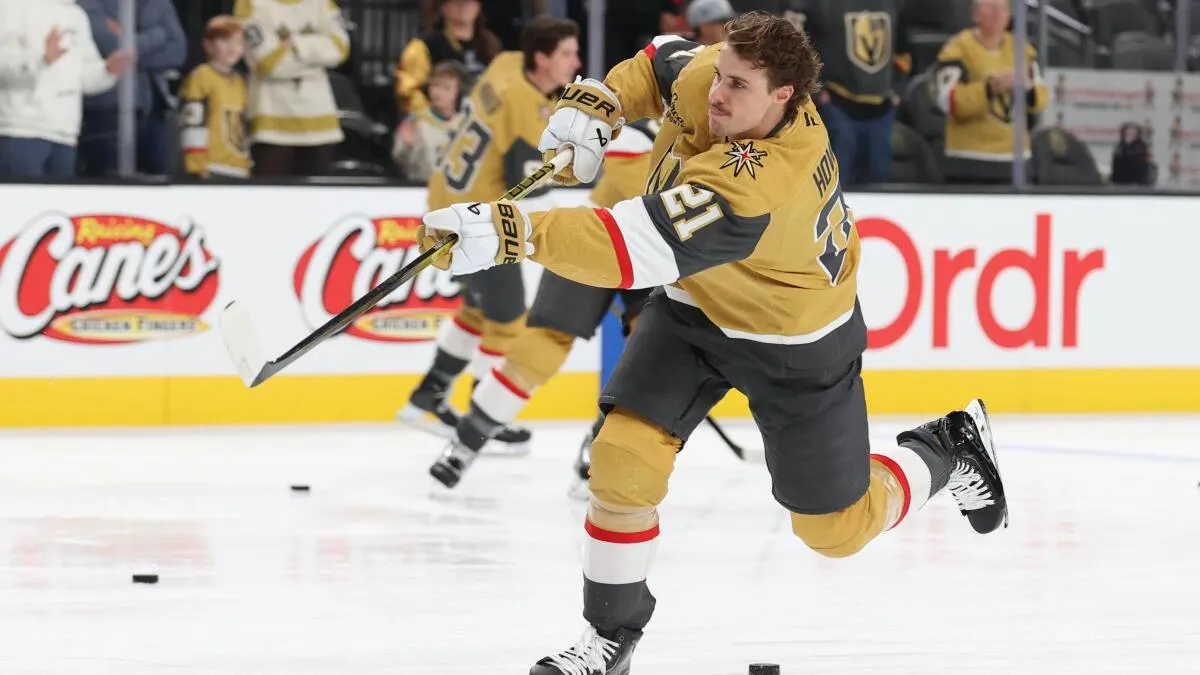
Understanding NHL helmet mandatory warmups Rule 9.6 for players entering the league in 2019-2020 season
The origins of Rule 9.6 trace back to the 2022-2023 season, when the league officially codified helmet requirements for warmups. While the NHL had long encouraged helmet use, the rule change established clear enforcement standards. Player safety concerns drove the decision, particularly regarding high-speed collisions during seemingly low-intensity skate sessions. Research shows that even at moderate speeds, head impacts against the ice or boards can cause significant trauma without proper protection.
The 2019-2020 cutoff date creates a clean dividing line. Players like Connor Bedard, Trevor Zegras, and Mason McTavish, who debuted after this threshold, must keep their helmets secured during warmups. Meanwhile, veterans such as Alexander Ovechkin, Sidney Crosby, and Anže Kopitar, already established in the league by 2019, retain the option to skate helmetless. This bifurcated approach attempts to balance tradition with progressive safety standards.
What sparked the recent enforcement push
The Senators pioneered this season’s trend when they faced Vegas on November 26. Following a dinner discussion, the team collectively decided to skate without helmets, hoping to reverse their fortunes at T-Mobile Arena. The gamble worked—they secured a 4-3 shootout victory, breaking a six-game losing streak in Vegas. Forward Shane Pinto described the experience as “pretty cool to do,” highlighting the psychological boost the gesture provided.
The Sharks followed suit three days later in the same building, though with less success, falling 4-3 to the Golden Knights. Their motivation was less superstitious and more atmospheric. “It was Saturday night in Vegas,” forward Will Smith explained. “All the guys were pretty easy to sell on it.” Goaltender Alex Nedeljkovic echoed this sentiment, emphasizing the fun, swagger-filled vibe of skating with “the hair flowing.”
New Jersey’s case added a ceremonial element. On December 2, Devils players wore hats instead of helmets to honor defenseman Brenden Dillon’s 1,000th NHL game. The hats read “1,000 Dilly,” creating a memorable visual that celebrated the milestone while technically violating league policy. This blend of tradition, superstition, and ceremony forced the NHL’s hand in issuing a league-wide reminder.
The grandfather clause explained
The exemption for pre-2019 veterans reflects the NHL’s pragmatic approach to cultural change. When the league mandated visors in 2013, it allowed established players to maintain their habits while requiring facial protection for all new entrants. This strategy minimizes resistance from the players’ association and acknowledges that veteran athletes have developed personal routines over years of professional play.
However, this approach creates visible distinctions. During warmups, fans can immediately identify which players joined the league before or after 2019 based solely on headgear. Some veterans embrace the helmetless look as a badge of experience, while younger players occasionally voice frustration over the restriction. The rule effectively institutionalizes a two-tier system where age and tenure determine personal equipment freedom.
Enforcement challenges and league response
The NHL faces a delicate enforcement challenge. The league memo serves as the first formal step, but questions remain about potential penalties for future violations. Historically, the NHL has avoided harsh sanctions for warmup infractions, preferring education and peer pressure. However, repeated defiance could trigger fines against teams or individual players.
Deputy commissioner Daly’s statement emphasized clarification over punishment. The league wants compliance, not confrontation. Yet the trend’s rapid spread—from Ottawa to San Jose to New Jersey within a week—suggests teams see minimal risk in testing boundaries. The NHL must balance its safety mandate against the locker room chemistry and morale benefits teams derive from these shared rituals.
Impact on team culture and player safety
For younger teams, helmetless warmups offer a rare moment of rebellion and unity. The shared experience of defying a rule—especially one with visible loopholes—can strengthen bonds during a grueling 82-game season. It becomes a story, a memory, and a rallying point. The Senators’ victory reinforced the superstition, giving players tangible proof that their ritual worked.
From a safety perspective, the risk appears minimal. Warmup collisions are rare, and players maintain awareness of their surroundings. Yet the NHL’s concern is justified. A single accident involving an unprotected player could trigger litigation, insurance disputes, and public relations fallout. The league argues that consistent helmet use during all on-ice activities establishes proper habits and reduces cumulative risk, however small the immediate threat.
How teams are adapting
Some organizations have embraced creative workarounds. The Devils’ hat tribute demonstrated how teams can honor tradition while technically complying with the spirit of the rule. Other franchises may develop similar ceremonial approaches, though the league will likely scrutinize any attempts to exploit loopholes.
For players subject to the mandate, reactions are mixed. Some accept it as modern professional hockey’s reality, while others view it as an infringement on personal freedom. The NHL Players’ Association has remained relatively quiet, suggesting internal consensus that the safety benefits outweigh the minor inconvenience. However, as more teams push boundaries, the union may need to clarify its stance.
What it means for the 2025-2026 season
The helmet controversy reflects broader tensions between hockey’s rugged heritage and its evolving safety culture. As concussion research advances and insurance costs rise, the NHL faces increasing pressure to demonstrate due diligence in player protection. Rule 9.6 represents one small but symbolic piece of this larger shift.
For the remainder of the season, expect most teams to comply with the memo. However, playoff superstitions or milestone celebrations could trigger additional incidents. The league’s response pattern—reminder first, potential penalties later—suggests flexibility as long as violations remain isolated and don’t create competitive advantages.
Young fans who grew up with mandatory helmets at all levels may view this debate as quaint. To them, skating without head protection seems reckless, not rebellious. Yet for veterans and traditionalists, these small rituals connect contemporary hockey to its roots—a time when players were gladiators, not corporate athletes.
The NHL helmet mandatory warmups Rule 9.6 for players entering the league in the 2019-2020 season will continue generating discussion as teams navigate the line between camaraderie and compliance. The grandfather clause ensures this is a self-resolving issue—as veteran players retire, the helmetless warmup will naturally phase out. Until then, the occasional act of defiance serves as a reminder that hockey’s soul still values tradition, even as its policies prioritize protection.
Frequently Asked Questions

Par Mike Jonderson
Mike Jonderson is a passionate hockey analyst and expert in advanced NHL statistics. A former college player and mathematics graduate, he combines his understanding of the game with technical expertise to develop innovative predictive models and contribute to the evolution of modern hockey analytics.