






The 2026 NHL offseason is shaping up to be more active on the trade front than many expected. With the salary cap rising significantly and a thin pool of unrestricted free agents, teams are already exploring options through the trade market. Analysts believe this could lead to increased movement around the draft and leading into free agency on July 1.
Dave Pagnotta of The Fourth Period recently discussed these dynamics on Sirius XM NHL Network Radio. He noted that last year’s excitement around the Noah Dobson trade quickly fizzled into a quiet period until the season started. This year feels different due to varying levels of urgency across the league.
Teams looking to compete immediately may have no choice but to pursue trades since big-name free agents are scarce. Others are open to moving pieces for young assets, capitalizing on what could be a very shallow free agent market. This setup is pushing clubs toward creative solutions rather than waiting for July 1.
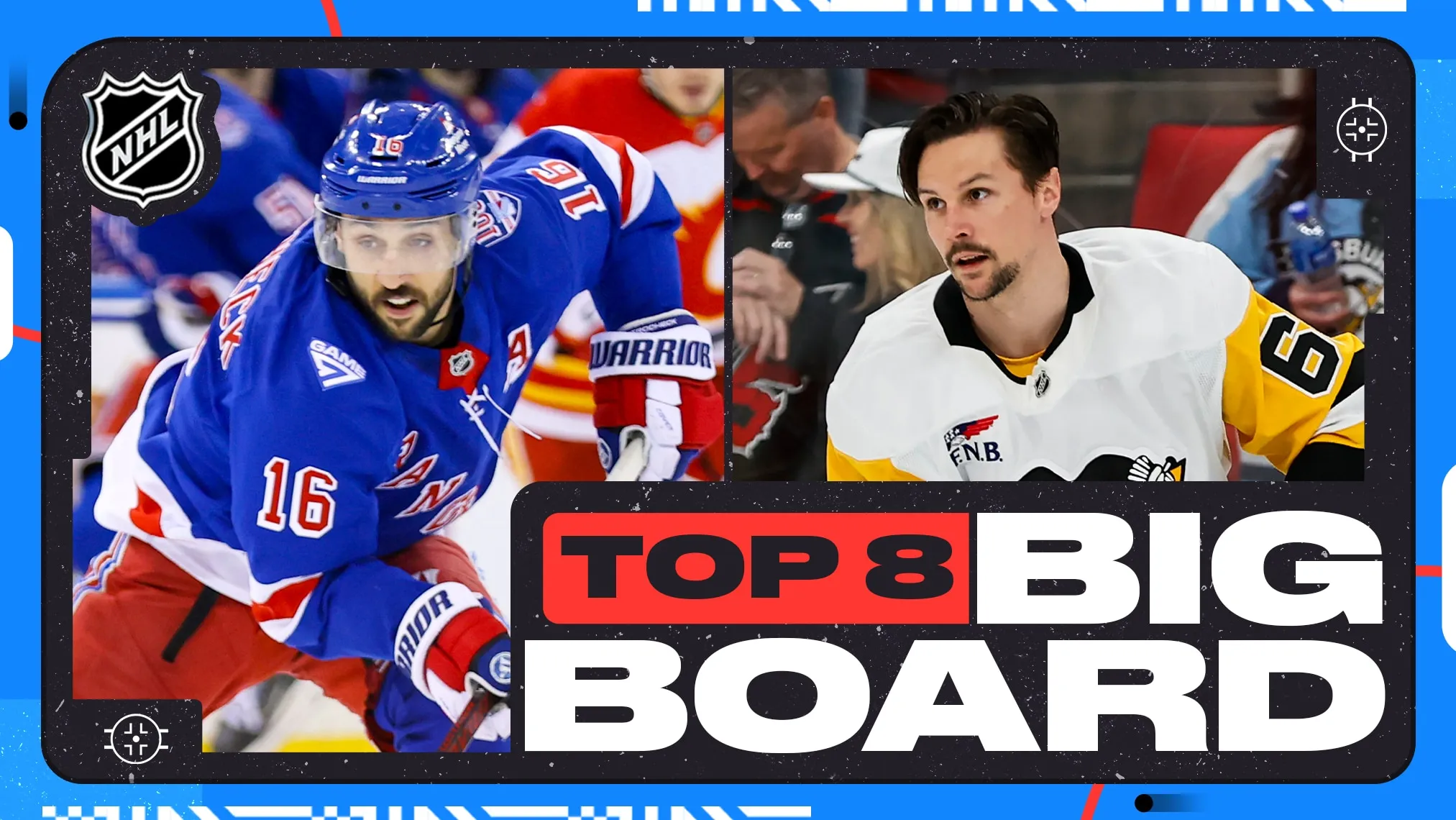
Team urgency and free agent limitations fueling trade talks
Several organizations sense the need to act sooner rather than later. Contenders without clear free agency targets are turning to the trade route to bolster their rosters. At the same time, rebuilding or retooling teams see value in shedding salary and acquiring prospects while the market remains thin.
Alex Tuch currently stands as the top unrestricted free agent prize available on July 1. However, there is growing chatter about a possible deal keeping him in Buffalo with the Sabres. If he stays put, that removes a major target and forces interested teams to look elsewhere through trades instead.
This shift could elevate names like Jordan Kyrou and Alexis Lafreniere into the trade conversation. Clubs that had planned to chase Tuch in free agency may now pivot to the market for comparable talent, creating ripple effects throughout the league.
Injury concerns are also playing a role. Owen Tippett’s playoff injury has raised questions about his recovery timeline and whether Philadelphia might explore different directions this summer. Goaltending situations around the league are adding another layer of complexity as teams evaluate their options.
Emerging names and potential movement around the draft
Interest is beginning to percolate around several high-profile players. Connor Hellebuyck has drawn curiosity from multiple clubs, signaling that goaltending could become a focal point of discussions. These early signals suggest the so-called silly season might start gaining steam ahead of the usual timeline.
Charlie Coyle’s recent six-year extension with Columbus has already reshaped some expectations. With that piece locked in, attention is turning to other available assets and how they might fit into broader roster plans.
The overall sense is that the thin free agent class is compelling teams to get creative now. What once felt like a quiet summer could turn into one filled with meaningful transactions if the current momentum continues.
What this means for the 2026 offseason landscape
Related analysis on potential rangers and carlson trade tiers highlights how certain clubs are already ranking their trade targets. This kind of preparation could accelerate deals as teams finalize their strategies before the draft.
The combination of cap flexibility and limited free agent options is creating a perfect environment for trades. Teams willing to make bold moves now may gain an edge over those waiting for July 1.
Overall, the 2026 offseason appears poised for more activity than last year. With urgency building and the free agent market offering fewer big splashes, the trade route is becoming the primary path for roster improvement. Fans should prepare for a livelier period of movement leading into the new season.
Frequently Asked Questions

Par Mike Jonderson
Mike Jonderson is a passionate hockey analyst and expert in advanced NHL statistics. A former college player and mathematics graduate, he combines his understanding of the game with technical expertise to develop innovative predictive models and contribute to the evolution of modern hockey analytics.