Using the final 2025–26 standings, a 1-through-8 Eastern Conference bracket would have sent the Carolina Hurricanes against the Pittsburgh Penguins in round one instead of the Penguins meeting the Philadelphia Flyers.
Bettman’s data-driven defense of divisional play
NHL commissioner Gary Bettman told NHL Network in June 2026 that the current format has generated statistically closer games and more six- and seven-game series than any 1-through-8 alternative since its 2013 introduction. Bettman cited internal league metrics showing longer competitive series across sixteen different historical formats.
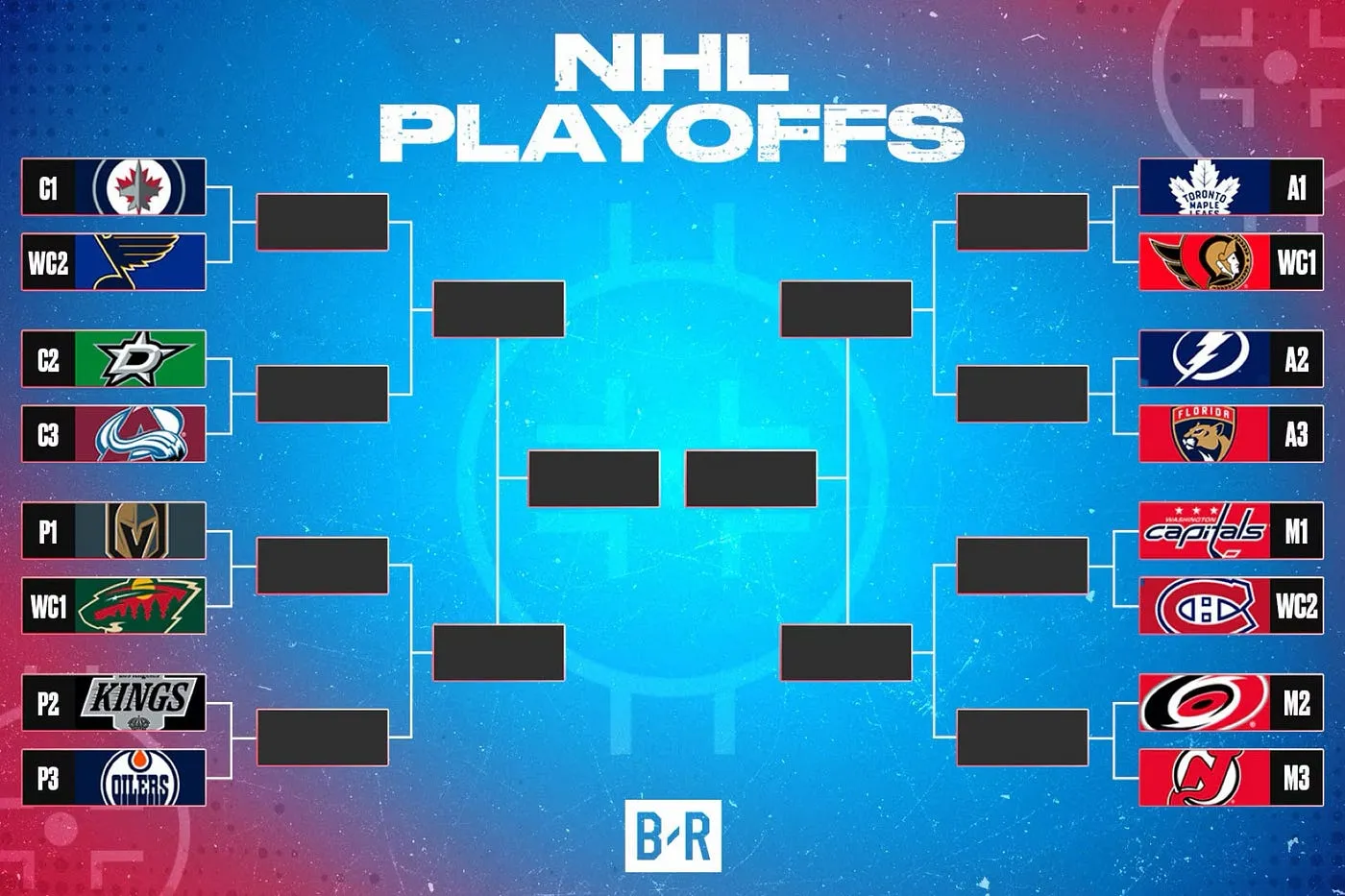
The existing structure seeds the top three teams from each division plus two wild cards per conference. In 2025–26 this produced multiple intra-division first-round pairings that Bettman argues heighten local interest and protect smaller-market clubs from early elimination by conference powers.
Players including Cale Makar publicly stated in September 2025 that the league should revert to pure conference seeding. Bettman countered that owner and GM feedback remains divided and that no change will occur without broad club consensus.
League data presented at the 2026 GM meetings showed the divisional format kept playoff-race drama alive deeper into March and April than a straight 1-8 model would have allowed.
The 3-2-1-0 points debate and regulation wins
The PWHL has awarded three points for regulation wins and two for overtime or shootout wins since its 2024 launch. NHL GMs discussed the same 3-2-1-0 system at their April 2026 meetings but rejected it after reviewing standings simulations.
Under the current 2-1-0 system a team earns two points for any win and one for an overtime or shootout loss. Bettman stated in April 2026 that the loser point keeps more teams mathematically alive, sustaining television ratings through the final weeks.
Advocates of 3-2-1-0 argue it would reduce the value of shootout victories and push coaches to play more aggressively in tied games after regulation. Bettman’s office replied that the tighter standings produced by the existing system maximize overall league revenue.
Simulations using 2025–26 results showed that adopting 3-2-1-0 would have widened the gap between the top eight and the rest of each conference by an average of 4.7 points.
Goalie-interference penalty and review incentives
The two-minute minor for unsuccessful goalie-interference challenges remains in place after the 2026 postseason. The rule was introduced to deter frivolous coach challenges on a highly subjective call.
Automatic situation-room reviews in the final minute and overtime already shield teams from the penalty in the most critical moments. GMs voted to retain the sanction at their March 2026 meetings, citing a measurable drop in unsuccessful challenges since its adoption.
Critics contend the penalty discourages legitimate reviews of borderline goals. Bettman’s administration maintains that video review exists to correct obvious errors, not to re-officiate every play.
No numerical data on challenge frequency before versus after the rule was released publicly, but the league reported fewer than one coach-initiated goalie-interference challenge per game on average during the 2025–26 regular season.
Bettman’s June 2026 insistence that the current format produces more six- and seven-game series than 1-through-8 sets the stage for the same bracket to return unchanged in 2027.
Frequently Asked Questions
Sources

Par Mike Jonderson
Mike Jonderson is a passionate hockey analyst and expert in advanced NHL statistics. A former college player and mathematics graduate, he combines his understanding of the game with technical expertise to develop innovative predictive models and contribute to the evolution of modern hockey analytics.