


















The 2025-26 NHL season promises intense battles for playoff positioning as several franchises face critical junctures in their competitive cycles. With the salary cap continuing to constrain roster construction and the league’s middle class growing stronger, identifying which teams might struggle to secure postseason berths requires examining roster turnover, prospect pipelines, and systemic challenges. While forecasting this far ahead carries inherent uncertainty, organizational trends and pending personnel decisions provide clear indicators about which clubs could be watching playoff hockey from home next spring.
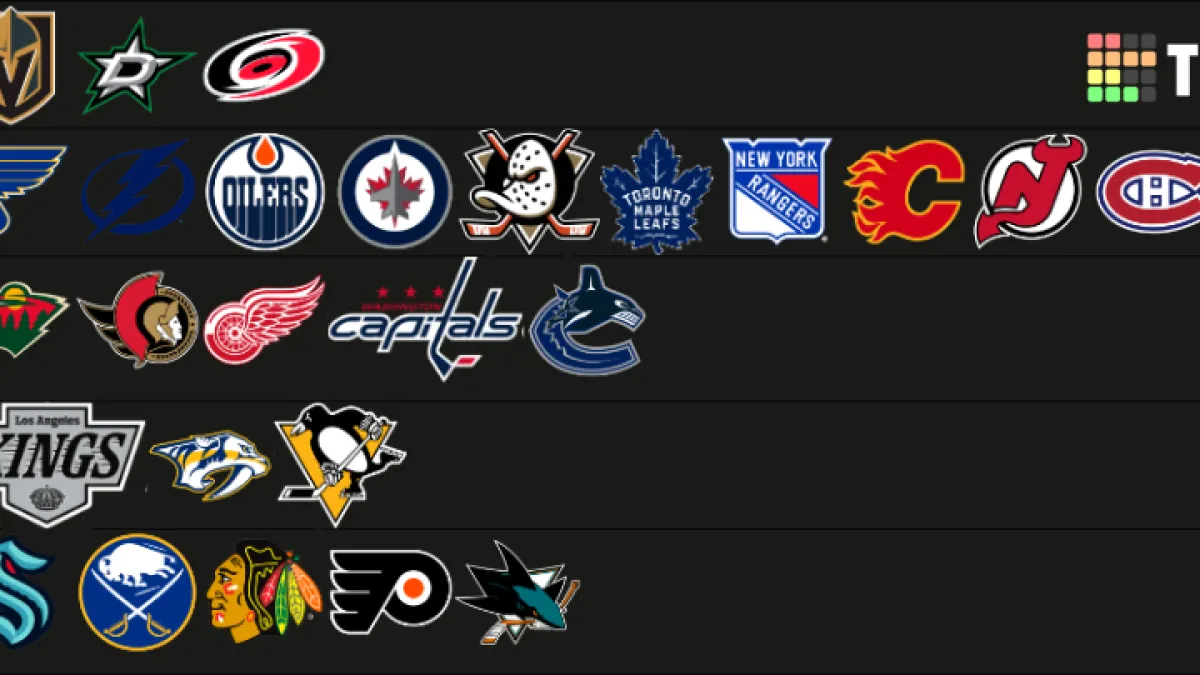
Teams in the Eastern Conference at Risk for the 2025-26 Playoffs
Atlantic Division Challengers
The Atlantic Division continues to house some of the league’s most powerful clubs, creating a significant barrier for teams lacking elite talent. Detroit finds itself in a precarious position despite years of rebuilding. The Red Wings have accumulated quality prospects like Simon Edvinsson and Marco Kasper, but their transition to impact NHLers hasn’t been seamless. Steve Yzerman’s patient approach may need acceleration as veterans like Dylan Larkin enter their prime years. The club’s goaltending situation remains unresolved, with neither Alex Lyon nor Ville Husso establishing themselves as reliable playoff-caliber starters.
Ottawa represents another fascinating case study in the Atlantic. The Senators have invested heavily in their young core, committing substantial cap space to Tim Stützle, Brady Tkachuk, and Jake Sanderson. However, the supporting cast questions loom large. Their defensive depth appears suspect beyond the top pairing, and the organization has struggled to find consistent secondary scoring. If prospects like Ridly Greig don’t take significant steps forward, the Senators could find themselves squeezed out by division rivals with more balanced rosters.
Metropolitan Division Uncertainties
The Metropolitan Division’s middle tier has become notoriously difficult to navigate, with Philadelphia emerging as a team facing genuine playoff jeopardy. The Flyers surprised many with their competitive 2023-24 campaign, but underlying metrics suggested overachievement. Their forward group lacks high-end offensive talent beyond Travis Konecny, and the blue line’s reliance on aging veterans like Travis Sanheim creates sustainability concerns. The organization’s goaltending pipeline shows promise but isn’t ready to provide elite netminding at the NHL level.
Columbus enters the 2025-26 season with renewed hope following recent high draft picks, but hope doesn’t guarantee postseason appearances. The Blue Jackets must see significant development from their defensive prospects, including Denton Mateychuk and David Jiricek, to compensate for a forward group that remains thin on game-breakers. Johnny Gaudreau’s contract runs through 2029, but his supporting cast needs substantial upgrades for Columbus to compete in the brutal Metropolitan playoff race.
Western Conference Teams Facing Playoff Uncertainty in 2025-26
Central Division Pressure Points
Chicago’s rebuild continues to generate excitement around Connor Bedard’s generational talent, but surrounding him with complementary pieces remains a work in progress. The Blackhawks have methodically stockpiled draft capital and prospects, yet the 2025-26 season may arrive too soon for many of these assets to mature into playoff-caliber contributors. Seth Jones’ massive contract becomes increasingly burdensome as he ages, limiting roster flexibility. The Central Division features legitimate powerhouses in Colorado, Dallas, and Winnipeg, leaving little margin for error for developing teams.
Arizona’s relocation to Utah has provided the organization with stability, but the on-ice product faces significant challenges for playoff contention. The franchise has assembled an intriguing collection of young talent, including Logan Cooley and Dylan Guenther, but the depth throughout the lineup raises concerns. The Western Conference’s competitive balance means that weakness at any position can be ruthlessly exploited, and Utah’s defensive corps and goaltending remain question marks against elite competition.
Pacific Division Wildcard Battles
Vancouver’s 2023-24 division title run masked some underlying vulnerabilities that could manifest in 2025-26. The Canucks face a salary cap crunch as they attempt to re-sign key contributors, with Elias Pettersson already commanding a substantial cap hit. Depth players who provided value during their surprise season may prove too expensive to retain. Thatcher Demko’s health history adds another layer of risk to a team that relied heavily on elite goaltending to mask defensive deficiencies.
Edmonton, despite having Connor McDavid and Leon Draisaitl, isn’t immune to playoff risk. The cap constraints created by their superstars’ salaries have forced difficult decisions throughout the roster. The Oilers’ defensive improvements under Kris Knoblauch showed promise, but maintaining that level while managing the bottom six and depth defense positions becomes increasingly challenging. If Stuart Skinner regresses or the injury bug strikes their top forwards, Edmonton could find themselves in a dogfight for Pacific positioning.
Critical Factors Determining Playoff Fate for At-Risk Teams
Goaltending Stability and Performance Variability
Goaltending represents the single most volatile element impacting playoff probabilities for borderline teams. Organizations like Detroit and Vancouver have demonstrated how a single elite season from a netminder can vault a mediocre roster into contention, but sustainability remains elusive. The difference between a .910 and .920 save percentage over 50 games can translate to 8-10 additional points in the standings—essentially the margin between wildcard participation and early vacations.
Teams relying on aging goaltenders face compounded risk. Philadelphia’s Carter Hart situation demonstrates how quickly circumstances change, while Columbus’s carousel of veterans provides little long-term certainty. Conversely, franchises betting on unproven prospects must accept significant downside risk. The 2025-26 season will likely see several at-risk teams’ fates determined entirely by whether their goaltending performance meets, exceeds, or falls short of expectations.
Youth Development Timelines and Roster Construction
The pressure to accelerate rebuilds creates tension between organic prospect development and immediate competitive needs. Chicago’s situation exemplifies this challenge perfectly. While Connor Bedard justifies optimism, surrounding him with teenagers risks both his development and the team’s competitiveness. The Blackhawks must decide whether to protect their young star by adding veteran support or embrace a longer timeline that might sacrifice playoff chances in 2025-26.
Teams like Ottawa and Detroit find themselves in developmental purgatory, where their prospects aren’t busts but aren’t developing into stars either. This middle ground proves particularly dangerous for playoff aspirations, as it prevents both high lottery odds and legitimate postseason contention. The 2025-26 season may force several organizations to confront difficult truths about their prospect pipeline’s actual quality versus pre-draft projections.
Statistical Indicators and Historical Precedents for Borderline Teams
Point Thresholds and Conference Parity Analysis
Recent seasons have established clear benchmarks for playoff qualification in each conference. The Eastern Conference wildcard threshold has consistently required 92-95 points, while the Western Conference demands 90-93 points for postseason entry. This narrow margin means that teams projected to finish with 85-90 points entering the season face genuine risk of missing the cut.
Historical data reveals that teams finishing between 10th and 15th in their conference one year have approximately a 40% chance of improving to playoff position the following season. However, this improvement rarely exceeds 10-12 additional points, suggesting that truly rebuilding franchises need multiple seasons to bridge the gap. Philadelphia’s 2023-24 performance, where they finished just outside the wildcard despite exceeding expectations, illustrates how difficult this jump proves in practice.
Advanced Metrics and Sustainability Concerns
Teams like the Flyers and Canucks posted respectable point totals despite concerning underlying numbers in 2023-24. Philadelphia’s 5-on-5 shot share and expected goals percentage ranked in the bottom third of the league, while Vancouver benefited from historically high shooting percentages that statistical models predict will regress toward the mean. These indicators serve as warning signs for sustainability entering 2025-26.
Organizations with strong prospect pipelines but poor current rosters face a different analytical challenge. Chicago’s expected goals metrics for 2023-24 were among the league’s worst, but their youth movement provides legitimate reasons for improvement. The key question becomes whether that improvement happens quickly enough to matter for playoff contention or whether another season of development patience proves necessary.
Strategic Implications for Franchises at the Crossroads
The 2025-26 season represents a critical evaluation point for several organizations caught between competing timelines. Ottawa’s management faces pressure to justify their substantial financial commitments to a young core that hasn’t delivered postseason hockey. Another April spent watching other teams compete could trigger significant organizational changes, from coaching staff to front office personnel.
For Chicago and Utah, the season offers an opportunity to establish new identities while managing expectations. The Blackhawks must balance Bedard’s competitive drive with long-term roster building, while Utah’s relocation honeymoon period eventually requires on-ice results to maintain momentum. Both franchises would benefit from transparent communication about their timelines, though market pressures often demand immediate success.
The salary cap’s continued stagnation relative to revenue growth exacerbates challenges for teams lacking cost-controlled star players. Clubs like Detroit and Philadelphia, with multiple large contracts on their books, lack the flexibility to address roster holes through free agency. This reality forces difficult trade decisions that can either accelerate timelines or set franchises back years if prospects are moved for short-term fixes.
What This Means for the 2025-26 Playoff Race
The convergence of these factors suggests the 2025-26 playoff chase will be among the most competitive in recent memory, with legitimate postseason aspirations from 20-22 teams creating inevitable disappointment for several franchises. The Eastern Conference appears particularly unforgiving, where established powers like Tampa Bay, Toronto, and Carolina have created a ceiling that proves difficult for developing teams to crack.
For fans of the identified at-risk teams, hope isn’t misplaced. The NHL’s parity means unexpected contenders emerge annually, and several clubs on this list possess the foundational pieces necessary for surprise runs. However, objective analysis suggests these teams face longer odds than their marketing departments might suggest, requiring multiple variables to break perfectly for playoff participation to materialize.
Ultimately, the 2025-26 season will likely reinforce the importance of goaltending stability, cost-controlled young talent, and depth throughout the lineup. Organizations that have neglected these areas face difficult truths about their competitive timelines, while those that have built methodically may reap rewards sooner than projected. The teams that recognize their true position within this hierarchy and act accordingly—whether through patience or aggressive retooling—will position themselves best for sustainable success beyond a single playoff chase.
Frequently Asked Questions

Par Mike Jonderson
Mike Jonderson is a passionate hockey analyst and expert in advanced NHL statistics. A former college player and mathematics graduate, he combines his understanding of the game with technical expertise to develop innovative predictive models and contribute to the evolution of modern hockey analytics.