














The NHL rumor mill never stops churning, and as teams navigate the early portion of the 2025-26 season, front offices across the league are already evaluating their rosters and exploring potential moves. From contract extension negotiations to early trade discussions involving established veterans, the landscape is taking shape for what could be an active trade season ahead. While some teams are standing pat with their core pieces, others are quietly making calls and testing the waters on players who could shift the balance of power in both conferences.
With several high-profile players entering contract years and teams assessing their championship windows, the rumor mill has intensified in recent weeks. General managers are weighing difficult decisions between extending valuable contributors or capitalizing on their trade value, while contending teams scout potential additions that could put them over the top. The early season has already provided clarity on which franchises might be buyers or sellers as the March trade deadline approaches, creating a dynamic marketplace for player movement.
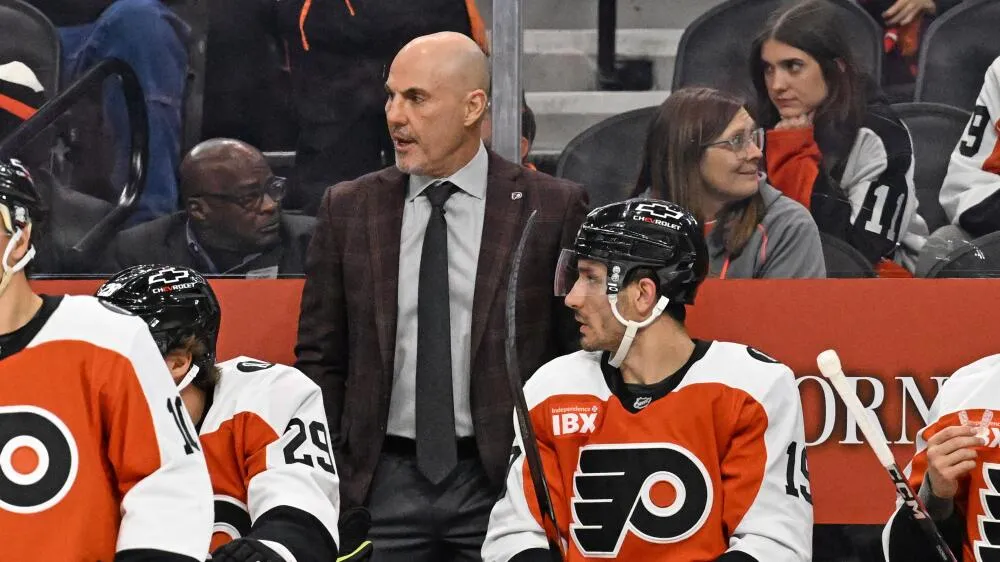
Latest NHL trade rumors involving Pavel Zacha and the Boston Bruins
The Boston Bruins find themselves at a crossroads with center Pavel Zacha, whose name has circulated in trade discussions throughout the offseason and into the regular season. According to Pierre LeBrun’s reporting on TSN, the Vancouver Canucks reached out to the Bruins during the summer months expressing interest in the 28-year-old center. The Canucks’ interest reflects their ongoing search for depth down the middle, particularly as they look to bolster their playoff chances in a competitive Pacific Division.
However, the Bruins appear reluctant to part with Zacha without receiving significant value in return. NHL insider Elliotte Friedman noted during an appearance on the Fan Hockey Show that Boston holds a strong negotiating position. “I think the Bruins are in a strong position here—they don’t really need to make a move. The price is high, and [Don] Sweeney is happy to keep him. Nothing’s likely to happen unless a team meets that target,” Friedman explained.
The situation becomes more complex when considering Boston’s long-term plans for Zacha. LeBrun reported that the Bruins view the Czech forward as a long-term fit within their organizational structure, suggesting that an extension might be more likely than a trade. “What I’m being told in terms of the Bruins is they view Zacha as a long term fit; don’t be surprised if they try to extend him,” LeBrun stated. With Zacha signed through the 2026-27 season, the Bruins have time to make this decision without rushing into a trade that doesn’t meet their expectations.
Additional reporting from James Murphy indicates that the Calgary Flames also showed interest in Zacha during the offseason, while the Edmonton Oilers could potentially be a good fit if they decide to pursue him. Murphy’s sources suggest that if the Bruins were to entertain offers from Vancouver, their asking price could include young defenseman Victor Mancini, though such a deal remains speculative at this stage.
The Bruins have reportedly communicated to their players that they haven’t given up on this season, which further supports the notion that they’re not looking to sell off assets unless the return is substantial. Should Boston’s season deteriorate and they find themselves out of playoff contention by midseason, Zacha would undoubtedly draw significant interest from contending teams seeking center depth. For now, the Bruins appear content to hold onto a valuable two-way center who provides versatility in their lineup.
Nazem Kadri trade speculation remains premature for Calgary Flames
Despite mounting speculation about Nazem Kadri’s future with the Calgary Flames, insiders suggest that any serious trade discussions involving the veteran center are premature at this stage of the season. The Flames’ disappointing start has naturally led to questions about whether they’ll pivot toward a rebuild or retool, but according to Darren Dreger’s reporting, the organization isn’t anywhere near making such a dramatic decision regarding one of their highest-paid players.
Kadri, who carries a $7 million annual cap hit through the 2027-28 season, has been linked to multiple Canadian teams including the Montreal Canadiens, Vancouver Canucks, and Toronto Maple Leafs. These connections make sense from both a hockey and marketing perspective, as Kadri’s profile and experience would appeal to franchises looking to add veteran leadership and offensive punch down the middle. The 35-year-old center brings Stanley Cup-winning pedigree and a competitive edge that playoff-bound teams covet.
However, the reality of Kadri’s situation is more nuanced than simple trade speculation suggests. “The reality is that Kadri loves Calgary, and unless the Flames decide their roster needs reconstruction, a trade isn’t likely at this stage,” Dreger noted. This sentiment underscores the fact that Kadri has established roots in Calgary and isn’t pushing for a change of scenery, which gives the Flames leverage in any potential negotiations.
LeBrun added context to the Montreal connection during an appearance on TSN OverDrive, revealing that the Canadiens have done their due diligence on potential center additions. “The Habs…my understanding is they’ve gone through the entire league in their preparations internally and have a list of what centers could potentially pop up ahead of the March 6 deadline; yes Kadri is one of those names,” LeBrun reported. This suggests that while teams are monitoring the situation, no active negotiations are currently underway.
The Flames face no immediate pressure to move Kadri, especially considering his contract runs for two more seasons beyond this campaign. If Calgary continues to struggle and falls out of playoff contention by the Christmas roster freeze, the calculus could change. At that point, management might seriously consider exploring trade options, though Kadri’s 13-team no-trade clause provides him with significant control over any potential destination. The organization can afford to be patient, waiting until next summer if necessary to find the right deal rather than accepting a subpar return during the season.
For teams interested in acquiring Kadri, his age and contract might require the Flames to retain salary or accept a package that includes futures rather than immediate help. The situation bears watching as the season progresses, particularly if Calgary doesn’t show significant improvement in the standings over the next two months.
Logan Cooley secures massive extension with Utah Mammoth
In one of the most significant signings of the young season, the Utah Mammoth locked down their franchise center for the long haul, announcing that Logan Cooley has signed an eight-year contract extension worth $80 million. The deal, which carries a $10 million annual average value, represents a substantial commitment to the 23-year-old forward who emerged as a cornerstone piece for the organization in his early NHL seasons.
The contract structure reveals interesting details about how the Mammoth approached negotiations. According to Pierre LeBrun, the deal is heavily front-loaded but notably does not include any signing bonus money—all salary. The first year of the extension pays Cooley $13 million, with a total of $35 million coming in the first three years of the deal. This front-loading provides Cooley with significant financial security early while potentially offering the team some flexibility in the later years.
This agreement marks the third-highest contract coming out of an entry-level deal in NHL history, placing Cooley in elite company among young players who’ve secured massive paydays early in their careers. The extension comes after Cooley reportedly turned down an eight-year offer at $9.6 million per season at the start of October, holding out for an additional $400,000 annually—a difference of $3.2 million over the life of the contract.
The Mammoth’s willingness to meet Cooley’s demands reflects their organizational belief that he represents a foundational piece around which they can build a contender. As a versatile center with strong two-way capabilities, Cooley provides the kind of impact that teams desperately seek down the middle of the ice. His ability to drive play at both ends of the rink made him an obvious priority for Utah’s front office, which moved quickly to secure his services through his prime years.
This signing also provides certainty for the Mammoth as they continue to establish their identity as a franchise. Locking up core players to long-term deals allows the organization to plan more effectively around their roster structure and salary cap allocation. For those following NHL trade deadline 2025 predictions, Utah’s commitment to Cooley signals they’re building for sustained success rather than considering any short-term roster upheaval involving their young stars.
Edmonton Oilers roster decisions and potential trades ahead
The Edmonton Oilers made an unusual lineup decision on Tuesday when they deployed an 11-forward, 7-defenseman configuration against the Utah Mammoth, raising questions about potential roster moves on the horizon. The team chose to sit Noah Philp, who had performed adequately in recent games, while inserting Troy Stecher into the lineup as an extra defenseman. This unconventional deployment has sparked speculation about the Oilers’ plans as they prepare for the return of injured players.
Ryan Rishaug of the Got Yer’ Back podcast theorized that this lineup arrangement might represent the Oilers giving certain players a final evaluation before making roster decisions. With Alec Regula reportedly nearing a return from injury and Zach Hyman getting close to resuming play, the Oilers will soon need to make corresponding roster moves to accommodate these returning players. If Stecher faces demotion to the minors or potential trade, Edmonton may want to give him a fair opportunity to showcase his abilities before finalizing any decisions about his future with the organization.
The decision to scratch Philp carries its own implications for the Oilers’ roster construction. Rob Brown expressed skepticism about whether Philp ultimately makes the team when everyone returns to full health, suggesting that the young forward might be squeezed out as more established players reclaim their roster spots. This reality reflects the difficult choices facing Edmonton’s management as they balance immediate competitive needs with long-term player development.
The Oilers’ cap situation adds another layer of complexity to these roster decisions. With limited financial flexibility, Edmonton must carefully manage their roster composition to ensure they maximize value while staying compliant with salary cap regulations. The potential movement of players like Stecher or Philp might not necessarily be performance-based but rather dictated by the mathematical realities of roster and cap management.
Teams around the league are undoubtedly monitoring Edmonton’s situation, as players who become available could fill depth needs for other organizations. Stecher, as a veteran defenseman with playoff experience, would likely draw interest from teams seeking defensive depth. Similarly, Philp’s potential availability might appeal to rebuilding teams looking to add young players with upside. For more context on how teams navigate these complex roster situations, examining NHL rumors around contract negotiations and roster moves provides valuable perspective on the league-wide dynamics.
Other notable NHL trade rumors and signings to monitor
Beyond the high-profile situations involving Zacha, Kadri, and Cooley, several other storylines are developing across the league that merit attention as the season progresses. The Carolina Hurricanes continue to position themselves as aggressive players in the trade market, with general manager Eric Tulsky showing a willingness to pursue blockbuster moves that could elevate the franchise’s championship aspirations.
According to reporting from Michael Russo in The Athletic, league sources indicate that the Hurricanes reached out to the Minnesota Wild expressing interest in Kirill Kaprizov before he signed his eight-year extension. This proactive approach demonstrates Carolina’s philosophy of pursuing elite talent whenever opportunities arise. With over $9 million in current cap space that will accrue to more than $36 million by the March 6 trade deadline, the Hurricanes possess the financial flexibility to make a significant addition.
The Hurricanes’ aggressive approach isn’t surprising given their recent history. Last January, they acquired Mikko Rantanen in a blockbuster deal, though they ultimately moved him to the Dallas Stars six weeks later when contract extension negotiations stalled. Carolina also made a run at Mitch Marner at the trade deadline, demonstrating their willingness to pursue top-tier talent. Tulsky has shown he won’t let cap space sit unused if he identifies a trade target that fits the team’s championship timeline.
Goaltending remains another area where the Hurricanes are frequently mentioned in trade speculation, though Tulsky has stated that doesn’t necessarily reflect dissatisfaction with their current tandem of Frederik Andersen and Pyotr Kochetkov. However, teams often upgrade between the pipes during playoff pushes, and Carolina’s financial resources make them a potential player in any goaltending market that develops.
Looking across the broader landscape, the Bleacher Report NHL Trade Block Big Board for October 2025 highlighted several notable names who could be available as the season progresses, including Sidney Crosby, Quinn Hughes, and Erik Karlsson. While these situations remain fluid and dependent on team performance, they represent the kind of potential game-changers that can reshape the playoff picture if they become legitimately available.
As the 2025-26 NHL season unfolds, the trade and signing landscape continues to evolve with each passing week. The situations surrounding Pavel Zacha, Nazem Kadri, and Edmonton’s roster decisions illustrate the complex calculations that general managers must navigate when balancing short-term competitiveness against long-term organizational building. Logan Cooley’s massive extension with Utah demonstrates how teams are prioritizing locking up young core players early, even at premium prices, to provide roster stability and certainty.
The coming months will reveal which teams emerge as legitimate buyers or sellers, with the Christmas roster freeze serving as a natural checkpoint for organizations to assess their playoff trajectories. Teams like Carolina with significant cap flexibility and aggressive front offices will likely remain active, while struggling franchises may pivot toward retooling or rebuilding depending on their standings. As always, the NHL trade and signing market provides drama, speculation, and the potential for franchise-altering moves that can shift the balance of power throughout the league.

Par Mike Jonderson
Mike Jonderson is a passionate hockey analyst and expert in advanced NHL statistics. A former college player and mathematics graduate, he combines his understanding of the game with technical expertise to develop innovative predictive models and contribute to the evolution of modern hockey analytics.